Striped-spine Sea Urchin
Temnopleurus toreumaticus
Also known as: Indian Sea Urchin, Sea Hedgehog, Short-spined Black Sea Urchin
- Indian Sea Urchin
- Sea Hedgehog
- Short-spined Black Sea Urchin
Overview
Found singly, or in groups, amongst rubble, sand, and in seagrass meadows, under jetties, and around rocky shores.
Sea Urchins use tubed feet to get around, often in large impenetrable masses for protection.
Sometimes they hitch a lift on the back of crabs.
They have well developed jaws for grinding their prey.
Their anus is on top in most sea urchins, except the heart urchins where it is at the rear.
Predators of sea urchins are triggerfish and large wrasses, who nibble away at their spines before turning them over to eat the fleshy undersides.
Sea Urchins are highly venomous and can piece through a wet-suit.
Some are sensitive to light and have the ability to shoot venom loaded spines at a short distance.
To be avoided.
How to identify
Habitat & where to find it
- Range · Indo-West Pacific
- Exact location · 1
Found singly, or in groups, amongst rubble, sand, and in seagrass meadows, under jetties, and around rocky shores.
Adult photos 1
Discussion
No comments yet. Seen one, or got a question about it? Start the discussion.
Deep dive
Taxonomy
- kingdomAnimalia
- phylumEchinodermata
- classEchinoidea
- orderCamarodonta
- familyTemnopleuridae
- genusTemnopleurus
- speciesTemnopleurus toreumaticus (Leske, 1778)
SourcesWoRMS
More in the family
Camarodonta
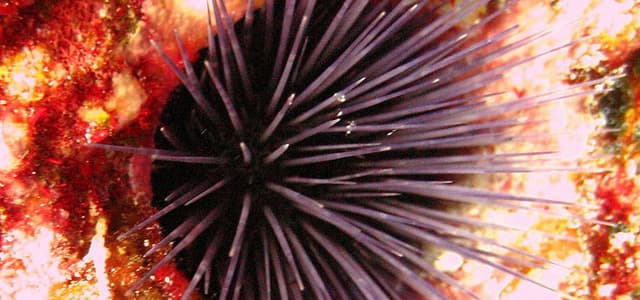
Burrowing Sea Urchin
Echinostrephus molaris
5 photos
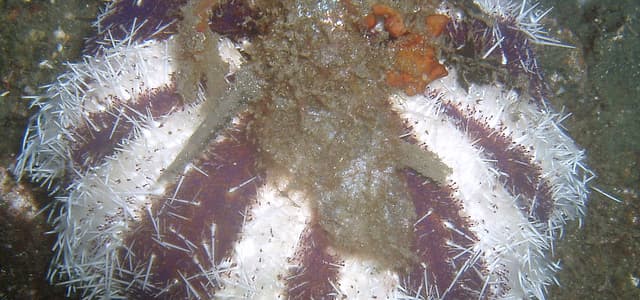
Cake Urchin
Tripneustes gratilla
10 photos
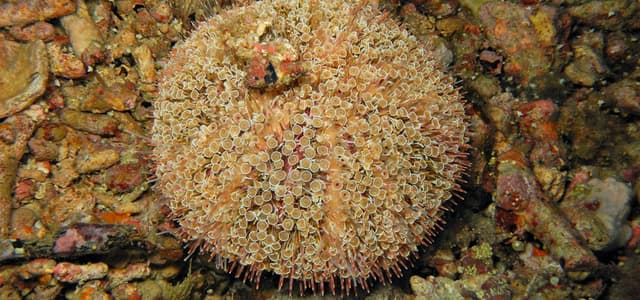
Flower Urchin
Toxopneustes pileolus
5 photos
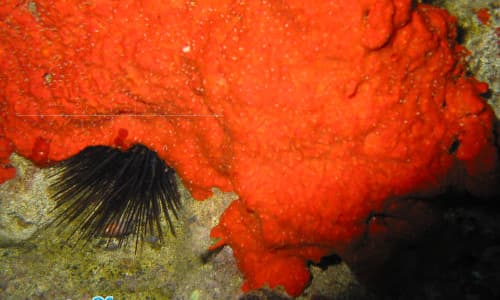
Globular Sea Urchin
Paracentrotus lividus
1 photo
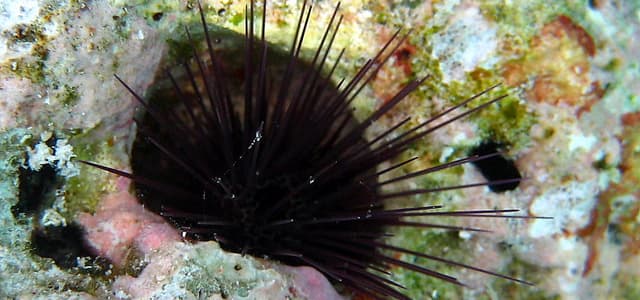
Needle-spined Sea Urchin
Echinostrephus aciculatus
7 photos
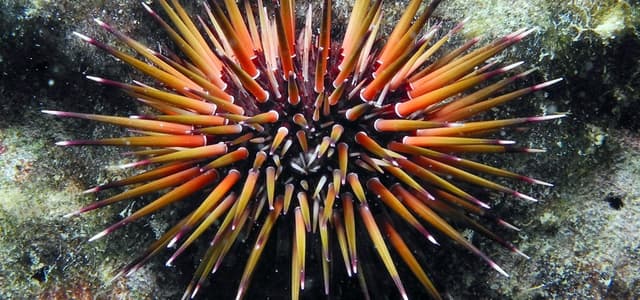
Needle-spines Sea Urchin
Parasalenia gratiosa
5 photos
Pebble Collector Urchin
Pseudoboletia indiana
1 photo
Rock Urchin
Echinometra lucunter
3 photos
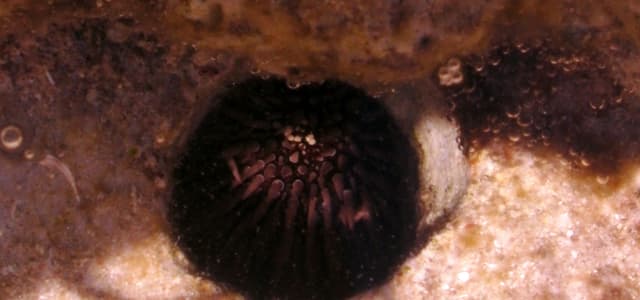
Rock-boring Urchin
Echinometra mathaei
8 photos
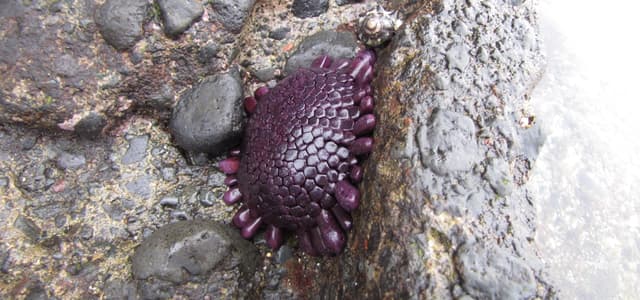
Shingle Urchin
Colobocentrotus (Podophora) atratus
1 photo
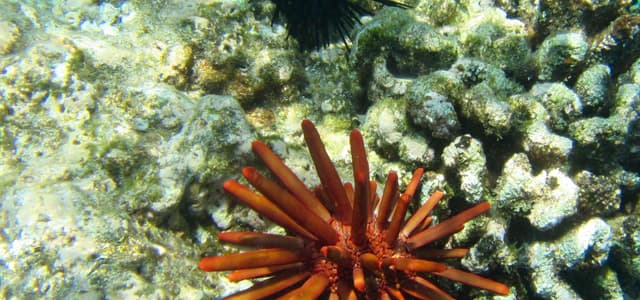
Slate Pencil Urchin
Heterocentrotus mamillatus
8 photos
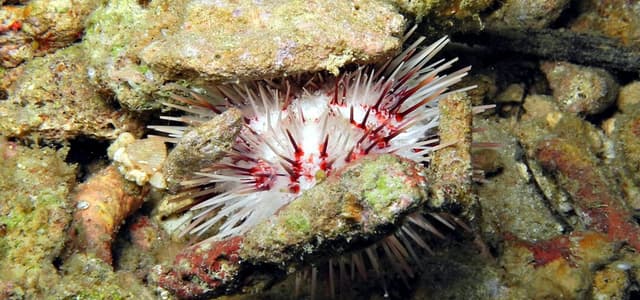
Stained Urchin
Pseudoboletia maculata
1 photo