Dr ASV PRASAD· 18 Jun 2020
Pedicillaria are important in injecting the venom in flower sea urchin whereas it is the spine in case of other poisonous sea urchins.
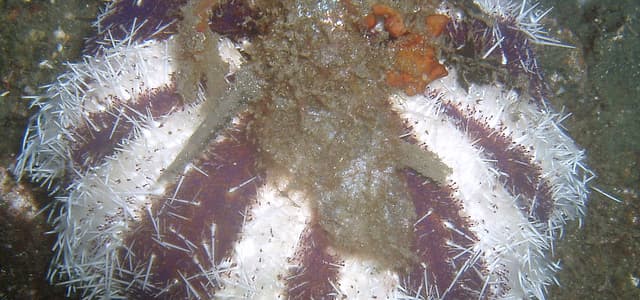
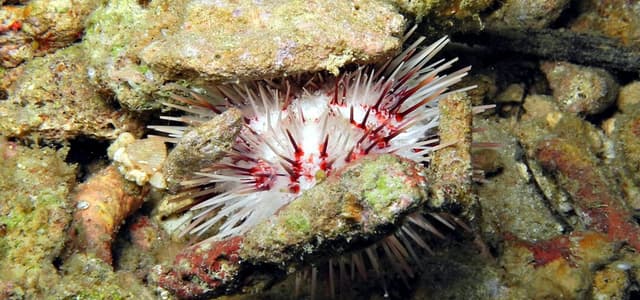
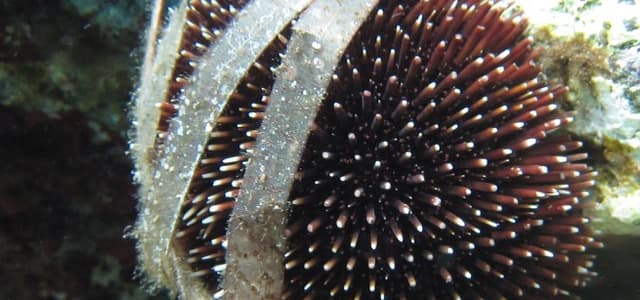
Toxopneustes pileolus
Also known as: Flower Sea Urchin, Flower Tip Urchin, Sea Hedgehog, Toxic Sea Urchin
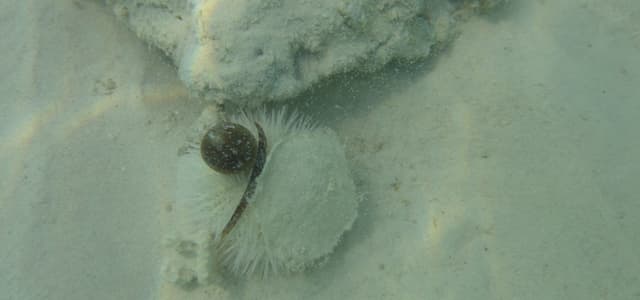
Found singly or in groups, often covered in detritus, over rubble, sand, and seagrass beds, of shallow bays, lagoons and coral reefs.
These beautiful sea urchins are extremely venomous and can be fatal, the sting comes from the petal like flowers.
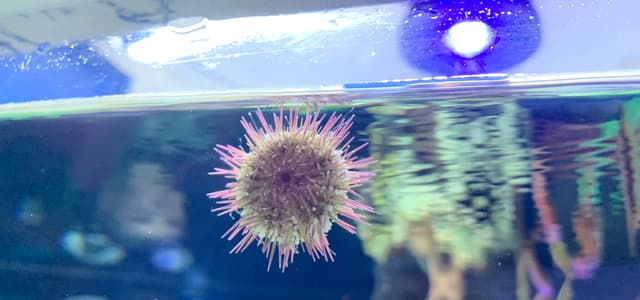
Sea Urchins use tubed feet to get around, often in large impenetrable masses for protection.
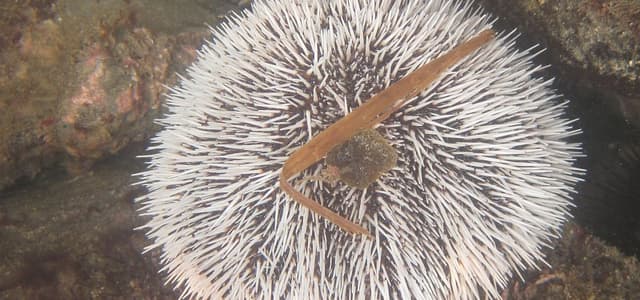
Sometimes they hitch a lift on the back of crabs.
They have well developed jaws for grinding their prey.
Their anus is on top in most sea urchins, except the heart urchins where it is at the rear.
Predators of sea urchins are triggerfish and large wrasses, who nibble away at their spines before turning them over to eat the fleshy undersides.
Sea Urchins are highly venomous and can piece through a wet-suit.
Some are sensitive to light and have the ability to shoot venom loaded spines at a short distance.
To be avoided.
Tap any trait to see other fish that share it.
Found singly or in groups, often covered in detritus, over rubble, sand, and seagrass beds, of shallow bays, lagoons and coral reefs.
1 comment
Pedicillaria are important in injecting the venom in flower sea urchin whereas it is the spine in case of other poisonous sea urchins.
Sea Urchins (Toxopneustidae)