xj9· 29 Nov 2019
As someone who has collected many, I can assure these urchins are harmless and the wiki page sited says nothing about it being venomous. They can actually be eaten... It was a staple of the Hawaiian diet in the past.
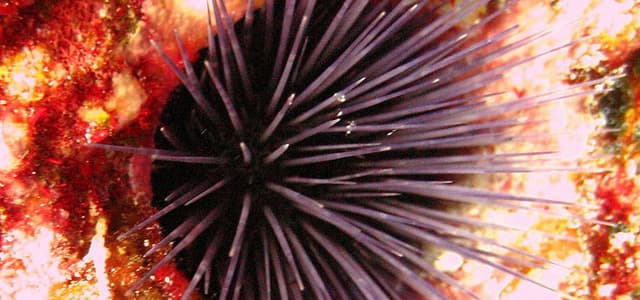
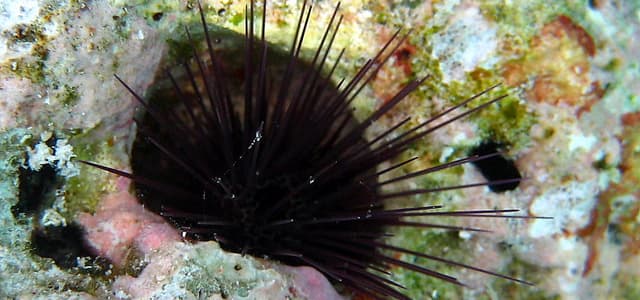
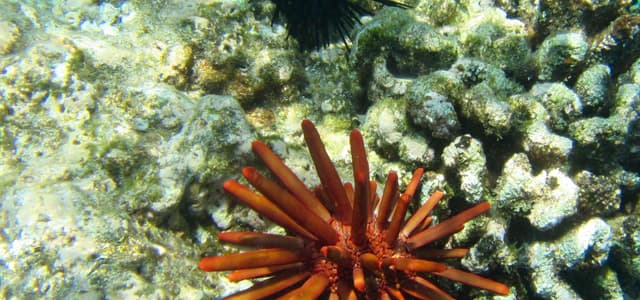
Colobocentrotus (Podophora) atratus
Also known as: Cliff-clinging Urchin, Helmet Urchin, Rock Urchin, Sea Hedgehog, Colobocentrotus atratus
Found singly or in groups, on strong, wave battered shorelines, of coastal reefs. Their unique shape helps decrease the chances of being pulled from rocks by the breaking waves.
These sea urchins are a delicacy in Hawaii where they are cracked open to eat their eggs, like "uni" sushi!
Sea Urchins use tubed feet to get around, often in large impenetrable masses for protection.
Sometimes they hitch a lift on the back of crabs.
They have well developed jaws for grinding their prey.
Their anus is on top in most sea urchins, except the heart urchins where it is at the rear.
Predators of sea urchins are triggerfish and large wrasses, who nibble away at their spines before turning them over to eat the fleshy undersides.
Sea Urchins are highly venomous and can piece through a wet-suit.
Some are sensitive to light and have the ability to shoot venom loaded spines at a short distance.
To be avoided.
Found singly or in groups, on strong, wave battered shorelines, of coastal reefs.
3 comments
As someone who has collected many, I can assure these urchins are harmless and the wiki page sited says nothing about it being venomous. They can actually be eaten... It was a staple of the Hawaiian diet in the past.
Are they posinous to humans and if so what do you do if you you get posited by them and can you touch them
Sea Urchins (Echinometridae)