Mangrove Fiddler Crab
Paraleptuca crassipes
Also known as: Calling Crab, Estuary Fiddler Crab, Fiddler Crab, Ghost Crab, Red-clawed Fiddler Crab, Thick-legged Fidler Crab, True Crab, Watermelon Fiddler Crab, Uca crassipes
- Calling Crab
- Estuary Fiddler Crab
- Fiddler Crab
- Ghost Crab
- Red-clawed Fiddler Crab
- Thick-legged Fidler Crab
- True Crab
- Watermelon Fiddler Crab
- Uca crassipes
Overview
Found sometimes in their thousands, over intertidal mangrove forests, mudflats, sandbars, tidal creeks, as well as boulder and stone beaches.
They feed on algae, detritus, and plankton.
Males and females live in mixed burrows with each crab having it's own burrow, The burrow being a refuge from predators and at high tide as well as a source of water at low tide.
The burrows are used for mating.
Males have a large single claw, (So can only feed at half the rate of the females)while females have two small feeding claws. They feed by scraping sediment up with their claws, and transferring it to their mouths where they sift out their food from the sand which is then spat out as a small pellet of cleaned sand. These pellets cover the mudflat by the end of the low tide period. Because males have only one small, feeding claw, they feed at half the rate of the females.
Males use their large claw for fighting as well as mating by waving it around.
Like all crabs, fiddler crabs shed their shells as they grow. If they lose a leg or claw during their growth cycle they will have a new one when they moult! Also if the male loses the large claw it will grow back on the opposite side. They hide when their new shell first arrives because it is soft to start with and so they are very vunerable.
How to identify
- Body shape
- large claw
- Behaviour
- burrowingloose groups
Tap any trait to see other fish that share it.
Habitat & where to find it
- Range · Western Pacific
- Country only · 5
Found sometimes in their thousands, over intertidal mangrove forests, mudflats, sandbars, tidal creeks, as well as boulder and stone beaches.
Adult photos 5
Discussion
No comments yet. Seen one, or got a question about it? Start the discussion.
Deep dive
Taxonomy
- kingdomAnimalia
- phylumArthropoda
- classMalacostraca
- orderDecapoda
- familyOcypodidae
- genusParaleptuca
- speciesParaleptuca crassipes (White, 1847)
SourcesWoRMS
More in the family
Crabs (Ocypodidae)
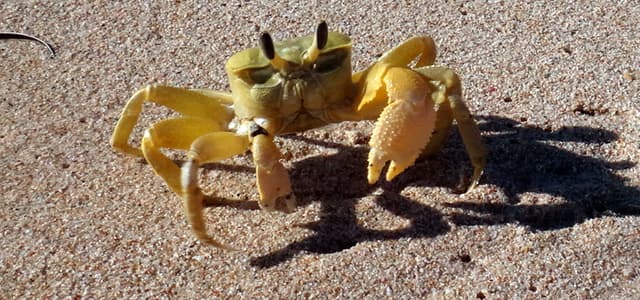
Golden Ghost Crab
Ocypode convexa
5 photos
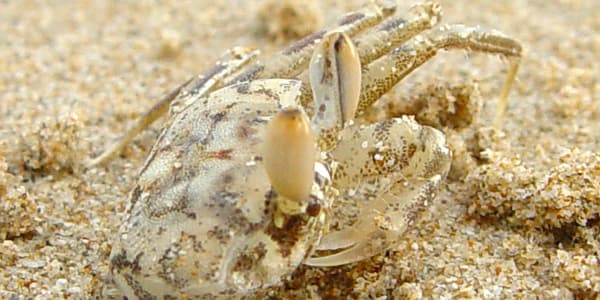
Horn-eyed Ghost Crab
Ocypode brevicornis
1 photo
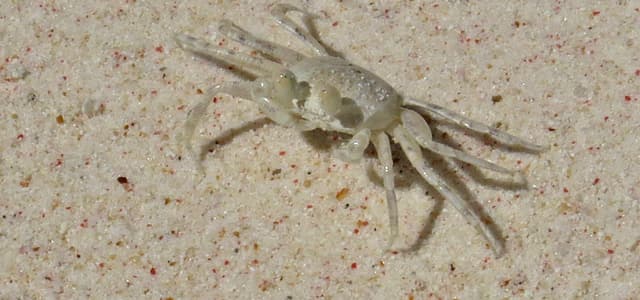
Horned Ghost Crab
Ocypode ceratophthalmus
3 photos
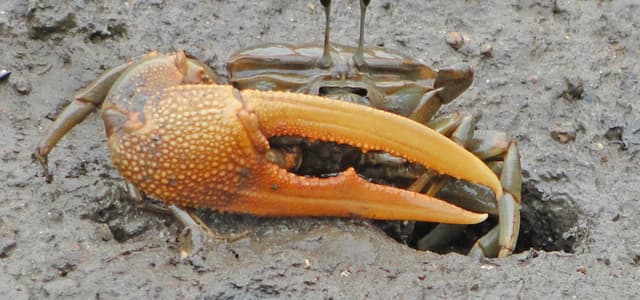
Orange Fiddler Crab
Gelasimus vocans
1 photo
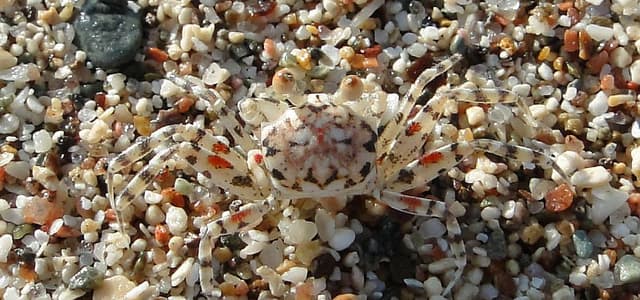
Pallid Ghost Crab
Ocypode pallidula
3 photos
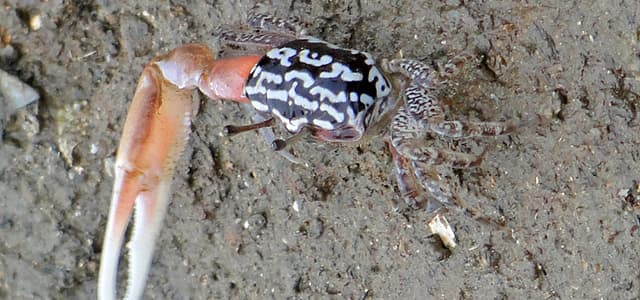
Porcelain Fiddler Crab
Austruca annulipes
5 photos
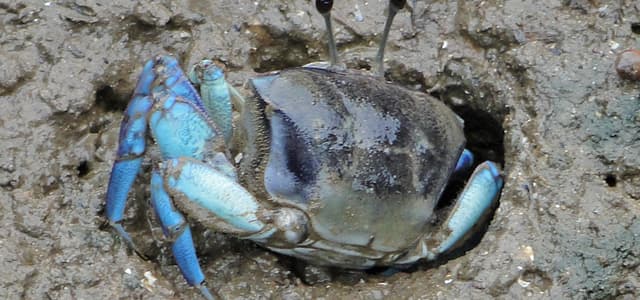
Tetragonal Fiddler Crab
Gelasimus tetrogonon
2 photos