Sea stars & urchins
Caterpillar Sea Cucumber
Actinopyga capillata
Also known as: Hairy Feet Sea Cucumber, Hairy Foot Sea Cucumber, Hairy Sea Cucumber
ALSO KNOWN AS
- Hairy Feet Sea Cucumber
- Hairy Foot Sea Cucumber
- Hairy Sea Cucumber
01
Overview
Found singly, over shallow rubble and sandy drop-offs and reef slopes. This sea cucumber is different from others of this type, with its long thin hairy feet.
They feed nocturnally on plankton.
Some sea cucumbers crawl around on the bottom slowly filtering sand through their tentacles to gather food, while others spread their tentacles above them to capture plankton. A number of sea cucumbers feed nocturnally while others feed by day.
There are sea cucumbers that hardly move while others are more active often perching on tall sponges to feed.
Sea cucumbers often attract hitch-hikers like shrimps and crabs that crawl over their skin, also pearlfish that enter via their anus.
As a means of defence sea cucumbers can expel their intestines or respiratory organs in the form of sticky threads, but these can quickly regenerate.
Juveniles often mimic sea slugs.
Some types of sea cucumbers are edible and considered a delicacy in the Far East countries.
02
How to identify
03
Habitat & where to find it
- Range · Indo-West Pacific
- Country only · 2
LIVES IN
Found singly, over shallow rubble and sandy drop-offs and reef slopes.
RANGE
04
Adult photos 2
05
Discussion 1
1 comment

ALL STAGES
FOR THE MARINE-BIOLOGY CURIOUS
Deep dive
06
More in the family
Sea Cucumbers (Holothuriidae)
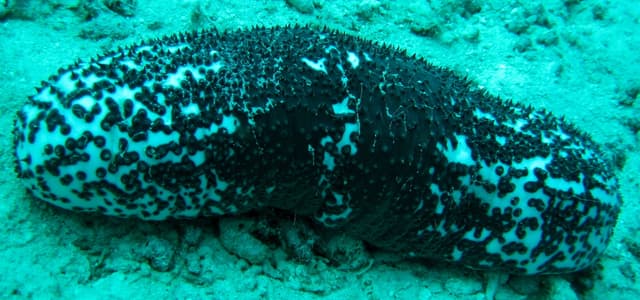
Blue Sea Cucumber
Actinopyga caerulea
1 photo
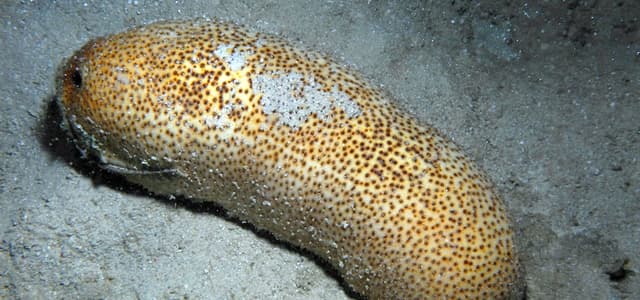
Brown Sandfish Sea Cucumber
Bohadschia vitiensis
1 photo
Crass Sea Cucumber
Actinopyga crassa
0 photos
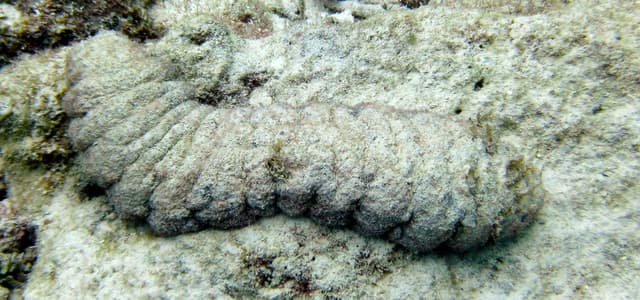
Donkey Dung Sea Cucumber
Holothuria (Halodeima) mexicana
3 photos
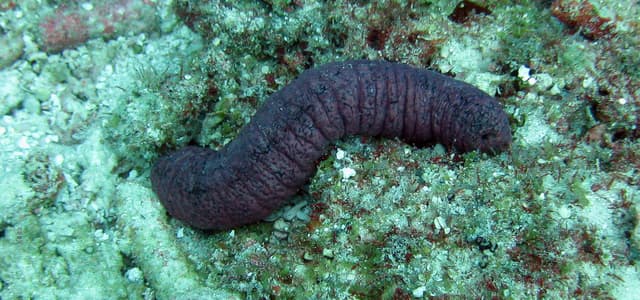
Edible Sea Cucumber
Holothuria edulis
4 photos
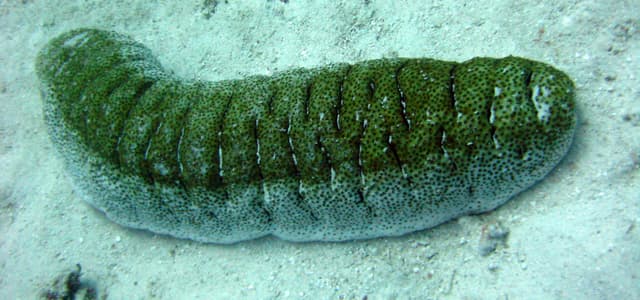
Elephant Trunkfish
Holothuria fuscopunctata
6 photos
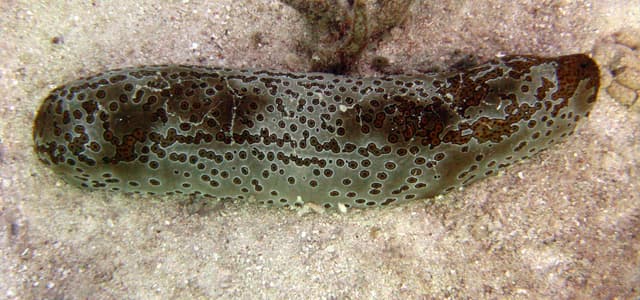
Eyed Sea Cucumber
Bohadschia argus
30 photos
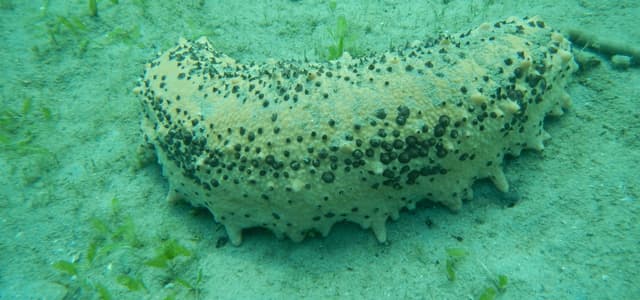
Florida Sea Cucumber
Holothuria floridana
5 photos
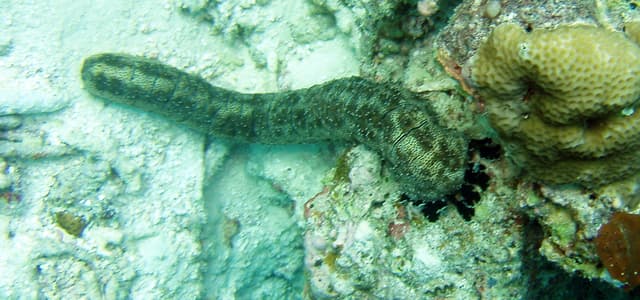
Graeffe's Sea Cucumber
Pearsonothuria graeffei
13 photos
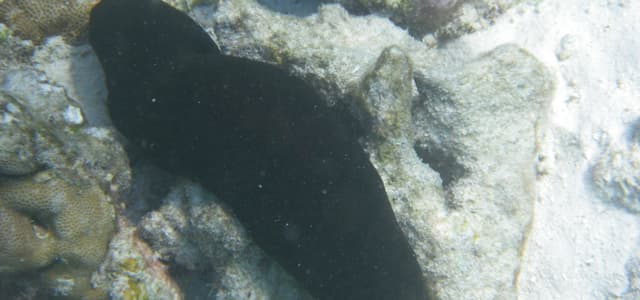
Hairy Blackfish Sea Cucumber
Actinopyga miliaris
1 photo
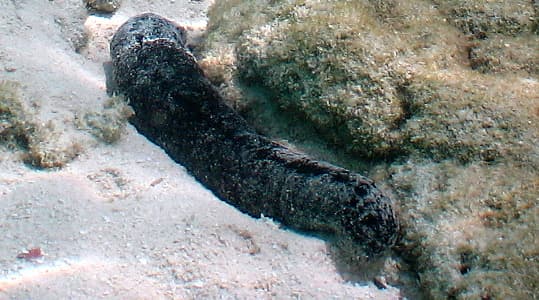
Lollyfish
Holothuria atra
7 photos
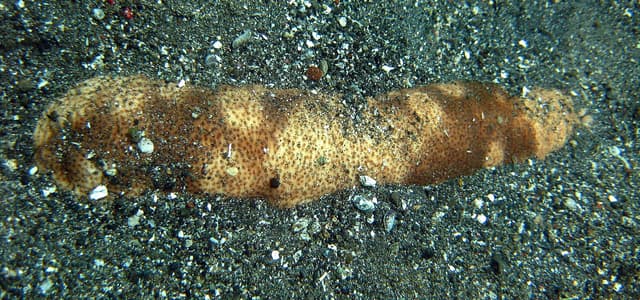
Marmorate Sea Cucumber
Bohadschia marmorata
6 photos