White-blotched River Stingray
Potamotrygon leopoldi
Also known as: Black Devil Stingray, Black Diamond, Black Diamond Ray, Black Ray, Eclipse Ray, Eclipse Stingray, Leo, Leo Stingray, Leopoldi Black Diamond Stingray, Leopoldi Stingray, Polka-dot Stingray, Spotted River Ray, White-blotched Freshwater Stingray, White-blotched Ray, Xingu River Ray, Yellow-spotted Black Amazon Stingray
- Black Devil Stingray
- Black Diamond
- Black Diamond Ray
- Black Ray
- Eclipse Ray
- Eclipse Stingray
- Leo
- Leo Stingray
- Leopoldi Black Diamond Stingray
- Leopoldi Stingray
- Polka-dot Stingray
- Spotted River Ray
- White-blotched Freshwater Stingray
- White-blotched Ray
- Xingu River Ray
- Yellow-spotted Black Amazon Stingray
Overview
The whiteblotched river stingray is a very dark freshwater ray, deep black above and scattered with large yellowish-white spots, that lives only in the Xingu River basin of Brazil.
It is found singly in clear water over rocky bottoms, spending the day buried in sand and coming out to forage at night. The underside is mostly brownish-dusky. Females grow larger than males, and can weigh up to 20kg. Two close relatives look much the same, so where a fish was seen is a useful clue.
It feeds on invertebrates living on the bottom. Like other rays, it settles over its prey, pins it against the riverbed with its disc, then flexes the edges of the disc to steer the food into its mouth.
Its defence is a venomous spine in the tail, and although rays usually move out of harm's way when approached, a sting can be very serious. Never swim over the top of a large ray, since it may take you for a predator and whip its tail in defence.
Notes & fun facts
- DID YOU KNOWIts venom does not change in make-up as it matures, but it does become less toxic with age.
- DID YOU KNOWIts jaws grow stiffer, stronger and more mineralised with age, which lets mature rays tackle hard-shelled invertebrates.
- DID YOU KNOWThe species is named after King Leopold III of Belgium, who sponsored many scientific studies.
How to identify
Tap any trait to see other fish that share it.
Diver’s cheat sheet
- 1BehaviourNever swim over the top of a large ray, as it may whip its tail in defence.
Habitat & where to find it
- Country only · 1
Found singly in clear water over rocky bottoms in the Xingu River basin of Brazil, buried in sand by day and foraging at night.
Adult photos 1
Discussion
No comments yet. Seen one, or got a question about it? Start the discussion.
Deep dive
Taxonomy
- kingdomAnimalia
- phylumChordata
- classElasmobranchii
- orderMyliobatiformes
- familyPotamotrygonidae
- genusPotamotrygon
- speciesPotamotrygon leopoldi Castex & Castello, 1970
Morphology
The disc reaches about 40cm across and the total length about 75cm, with a dentine spine in the tail. Compared with its close relative Potamotrygon henlei of the Tocantins basin it is a deeper black above and lacks the large white centre on the underside. Potamotrygon albimaculata of the Tapajós basin has more numerous, smaller spots.
More in the family
Myliobatiformes
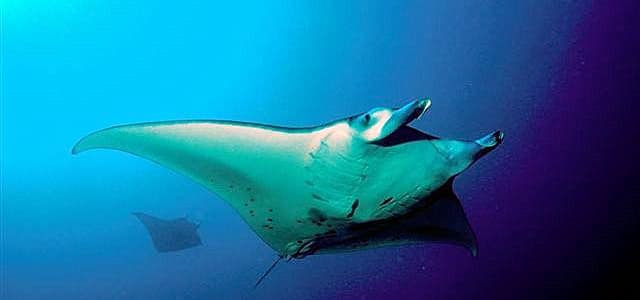
Alfred Manta
Mobula alfredi
46 photos
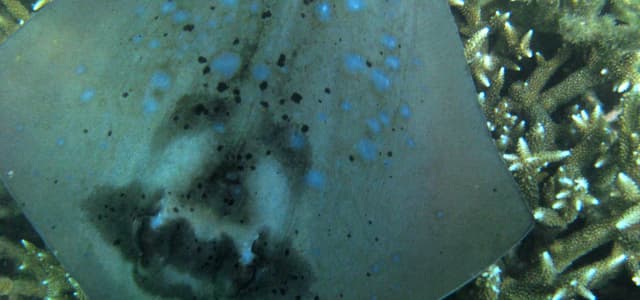
Australian Blue-spotted Maskray
Neotrygon australiae
28 photos
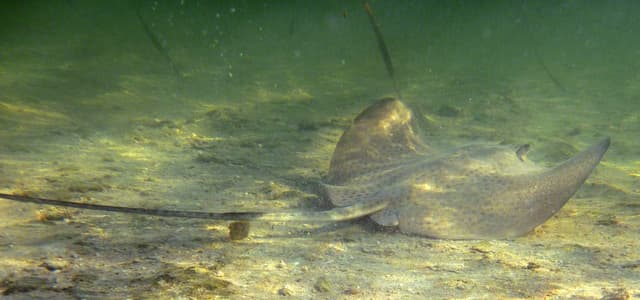
Black-spotted Whipray
Maculabatis toshi
1 photo
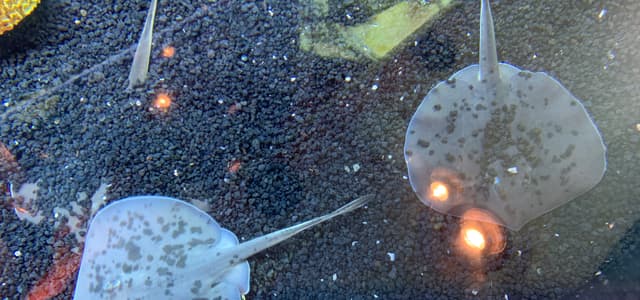
Blotched Stingray
Urotrygon chilensis
1 photo
Blue-spotted Stingray
Neotrygon kuhlii
0 photos
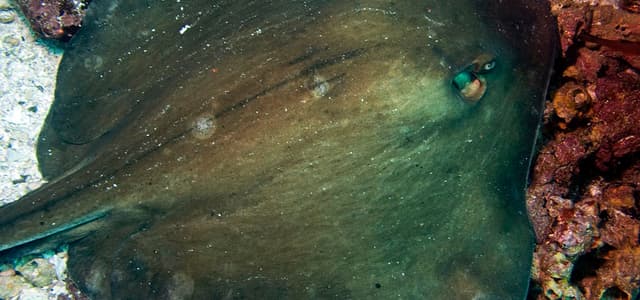
Common Stingaree
Trygonoptera testacea
8 photos
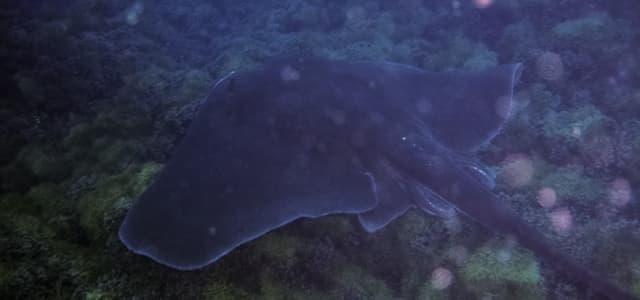
Common Stingray
Dasyatis pastinaca
2 photos
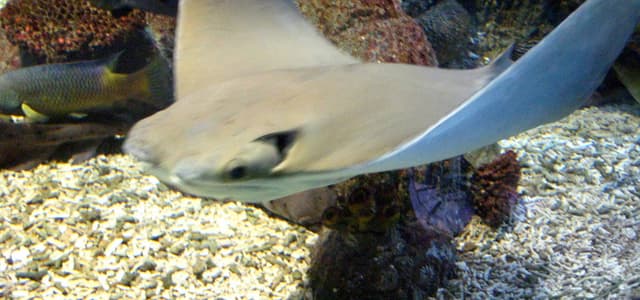
Cownose Ray
Rhinoptera bonasus
7 photos
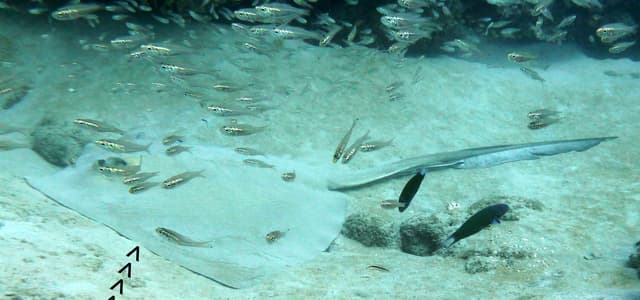
Cowtail Stingray
Pastinachus sephen
7 photos
Giant Manta
Mobula birostris
8 photos
Honeycomb Stingray
Himantura uarnak
8 photos
Indian Ocean Blue-spotted Maskray
Neotrygon caeruleopunctata
2 photos