Common Stingaree
Trygonoptera testacea
Also known as: Common Stingray, Stingaree, Stingaree Stingray
- Common Stingray
- Stingaree
- Stingaree Stingray
Overview
Found often half buried with just the eyes showing, over sandy bottoms of estuaries, coastal and off-shore reefs.
Western Pacific - Southern Queensland to New South Wales.
Stingarees are bottom feeders, they settle themselves down over their prey, trapping them against the substrate with their disc, then flexing their disc flaps and manoeuvring the victims into their mouths.
Most Stingarees live in the sea, but some can be found in estuaries, often hard to see as they can be buried in the sand, occasionally they can be seen leaping out of the water.
They have a small stubby tail and as a form of defence Stingarees have two venomous spines in their tails.
Usually Stingarees will swim out of harms way if approached, however they can give a nasty sting and can move at lightening speed both forwards and backwards!
Never swim over the top of large rays, they think you are a predator and are likely to whip their tails in defense! (as happened to Steve Irwin)
How to identify
Habitat & where to find it
- Range · Western Pacific
- Exact location · 4
- Country only · 4
Found often half buried with just the eyes showing, over sandy bottoms of estuaries, coastal and off-shore reefs.
Adult photos 8
Discussion
No comments yet. Seen one, or got a question about it? Start the discussion.
Deep dive
More in the family
Myliobatiformes
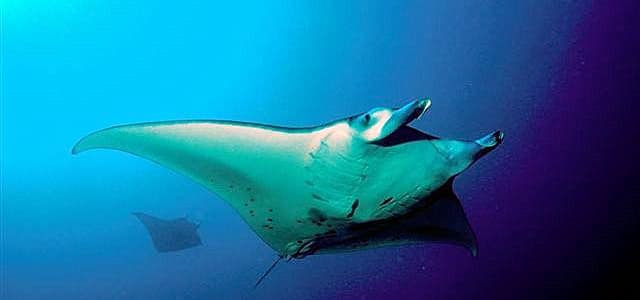
Alfred Manta
Mobula alfredi
46 photos
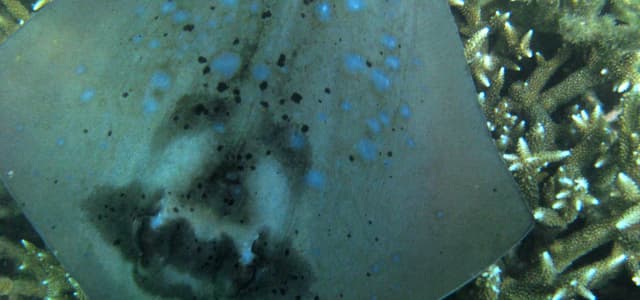
Australian Blue-spotted Maskray
Neotrygon australiae
28 photos
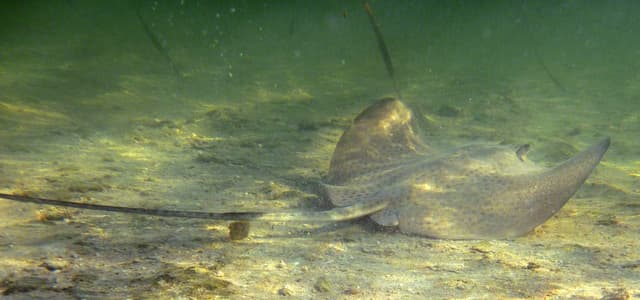
Black-spotted Whipray
Maculabatis toshi
1 photo
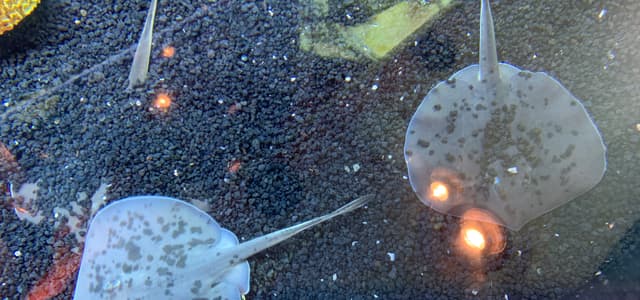
Blotched Stingray
Urotrygon chilensis
1 photo
Blue-spotted Stingray
Neotrygon kuhlii
0 photos
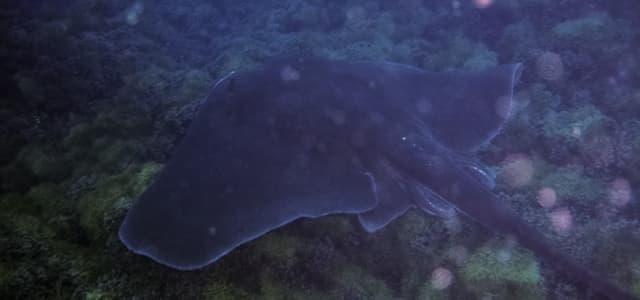
Common Stingray
Dasyatis pastinaca
2 photos
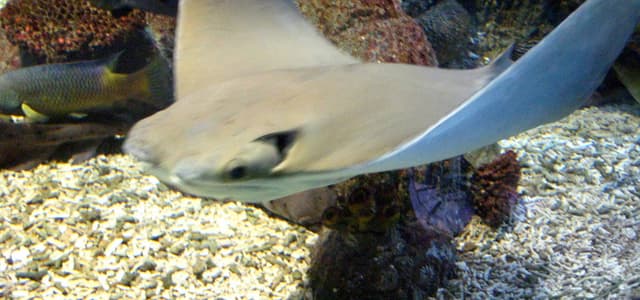
Cownose Ray
Rhinoptera bonasus
7 photos
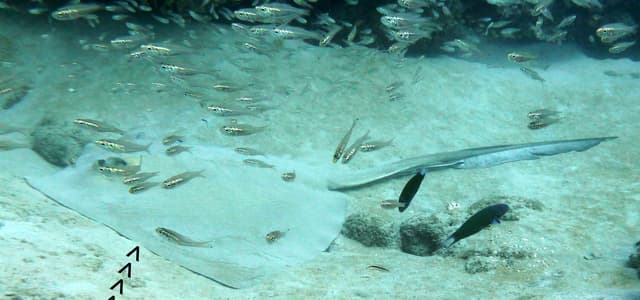
Cowtail Stingray
Pastinachus sephen
7 photos
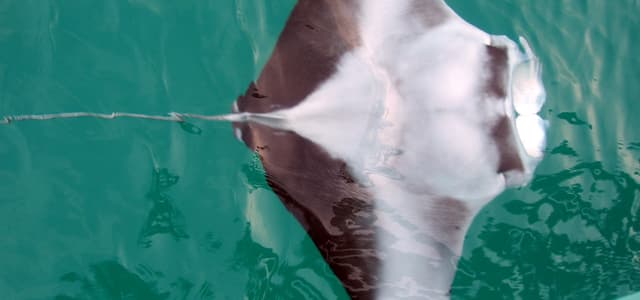
Giant Manta
Mobula birostris
8 photos
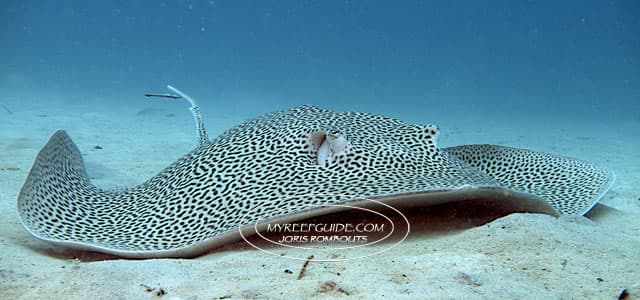
Honeycomb Stingray
Himantura uarnak
8 photos
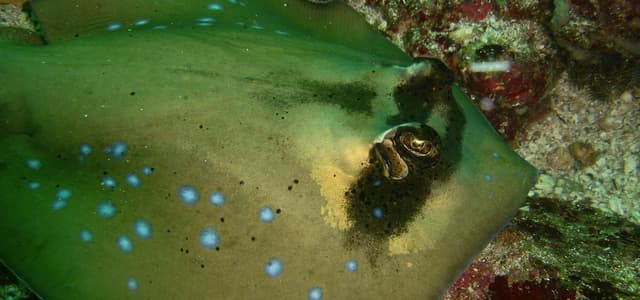
Indian Ocean Blue-spotted Maskray
Neotrygon caeruleopunctata
2 photos
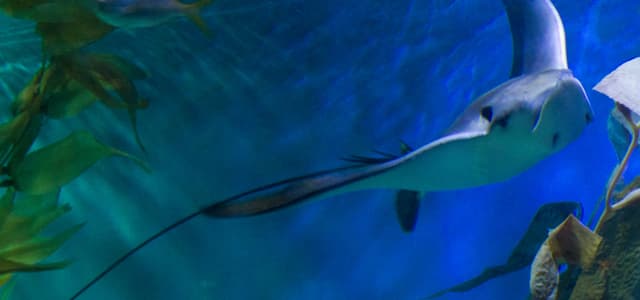
Javanese Cownose Ray
Rhinoptera javanica
1 photo