Smoothtail Mobula
Mobula thurstoni
Also known as: Bentfin Devilray, Bentfin Mobula, Lesser Devilray, Mante Vampire, Smoothtail Devilray, Smoothtail Mobularay, Thurston's Devilray
- Bentfin Devilray
- Bentfin Mobula
- Lesser Devilray
- Mante Vampire
- Smoothtail Devilray
- Smoothtail Mobularay
- Thurston's Devilray
Overview
Found singly, or in small squadrons, usually along coastlines but sometimes in oceanic waters. These beautiful creatures are a threatened species.
They feed on planktonic crustaceans.
They belong to the family of Devil Rays who are identified by head fins, which when rolled up 'look like horns' and when unfurled they act like a funnel for the mouth when feeding on plankton and fish larvae. they are filter feeders,found at cleaning stations, along reef edges and at the surface.
These are huge, graceful rays and a wonderful sight. When one leaps, it comes down flat and its body hits the sea with a loud crash. With no teeth or grinding plates to bite with and no stinger in the tail, speed is their defence.
How to identify
- Pattern
- blotches
Tap any trait to see other fish that share it.
Habitat & where to find it
- Range · Circumtropical
- Country only · 1
Found singly, or in small squadrons, usually along coastlines but sometimes in oceanic waters.
Adult photos 1
Discussion
No comments yet. Seen one, or got a question about it? Start the discussion.
Deep dive
More in the family
Myliobatiformes
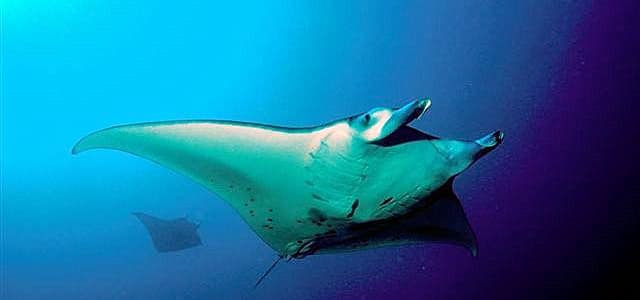
Alfred Manta
Mobula alfredi
46 photos
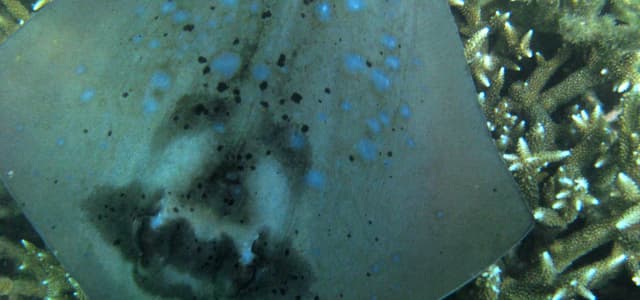
Australian Blue-spotted Maskray
Neotrygon australiae
28 photos
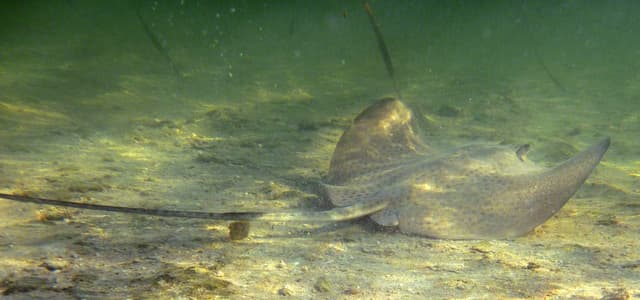
Black-spotted Whipray
Maculabatis toshi
1 photo
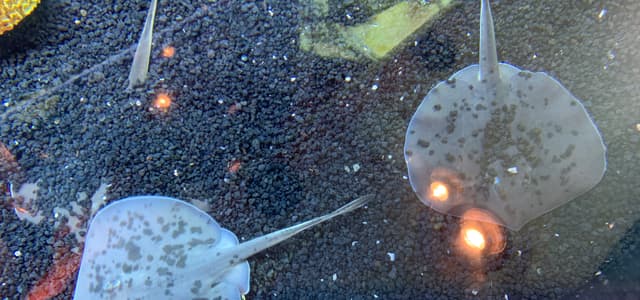
Blotched Stingray
Urotrygon chilensis
1 photo
Blue-spotted Stingray
Neotrygon kuhlii
0 photos
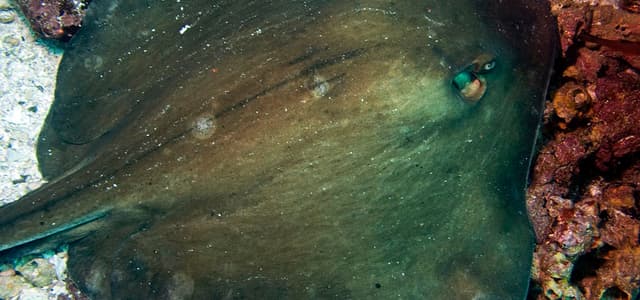
Common Stingaree
Trygonoptera testacea
8 photos
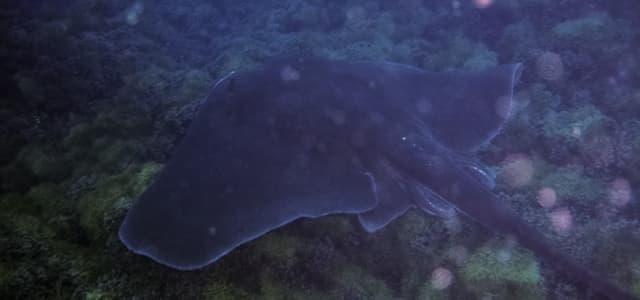
Common Stingray
Dasyatis pastinaca
2 photos
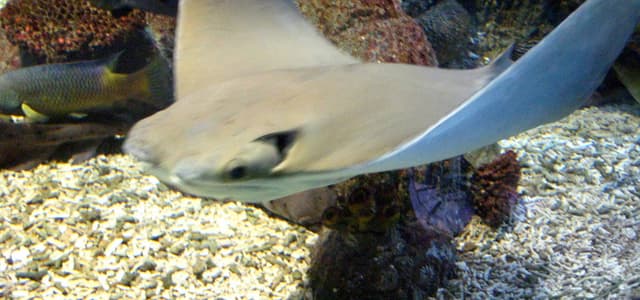
Cownose Ray
Rhinoptera bonasus
7 photos
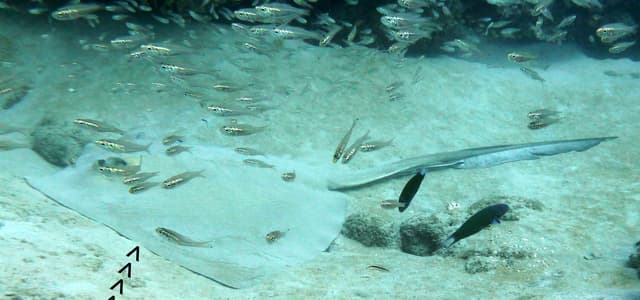
Cowtail Stingray
Pastinachus sephen
7 photos
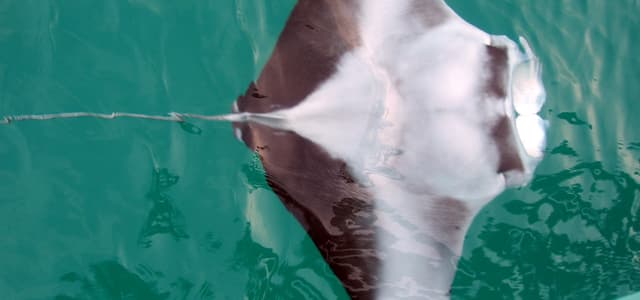
Giant Manta
Mobula birostris
8 photos
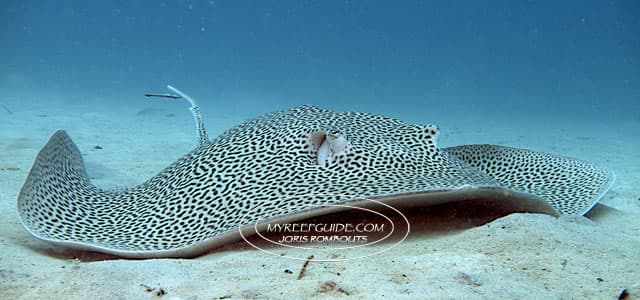
Honeycomb Stingray
Himantura uarnak
8 photos
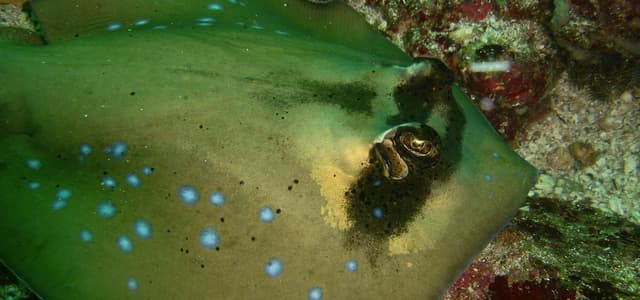
Indian Ocean Blue-spotted Maskray
Neotrygon caeruleopunctata
2 photos