Ribbon Sweetlips
Plectorhinchus polytaenia
Also known as: Painted Sweetlip, Ribbon Sweetlip Bream, Ribboned Sweetlips, Sweetlips, Yellowribbon Sweetlips
- Painted Sweetlip
- Ribbon Sweetlip Bream
- Ribboned Sweetlips
- Sweetlips
- Yellowribbon Sweetlips
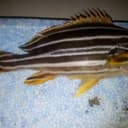
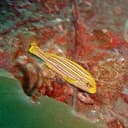
Showing details for the adult stage. Switch stages to see how it differs.
Overview
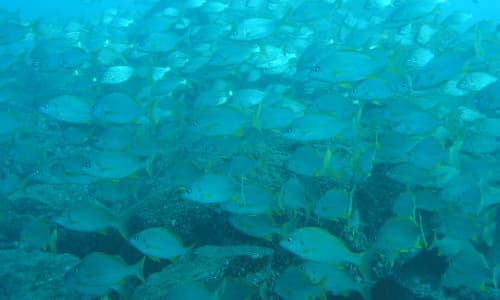
Found singly, or in small schools, during the day close to caves and ledges, dispersing at night foraging for food, over current prone, coastal and seaward reefs, rich with invertebrate growth.
In some areas of the world 'Grunts' are better known as 'Sweetlips' distinguished from other species by their very large rubbery lips.
'Grunts'because they "grunt," the grunting sound is produced by their flat teeth plates rubbing together and this is amplified by their air bladders.
Found either singly or in schools hovering or motionless over the reef during the day, becoming nocturnal predators.
How to identify
- Pattern
- white stripes
Tap any trait to see other fish that share it.
Habitat & where to find it
Where the adult stage lives, and where its photos were taken.
- Range · Indo-West Pacific
- Country only · 9
Found singly, or in small schools, during the day close to caves and ledges, dispersing at night foraging for food, over current prone, coastal and seaward reefs, rich with invertebrate growth.
Adult photos 9
Discussion
No comments yet. Seen one, or got a question about it? Start the discussion.
Deep dive
More in the family
Grunts (Haemulidae)
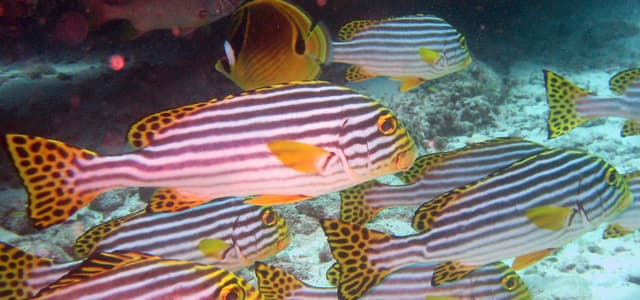
Indian Ocean Oriental Sweetlips
Plectorhinchus vittatus
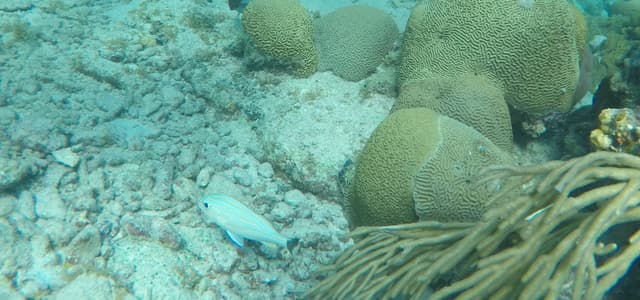
Caesar Grunt
Haemulon carbonarium
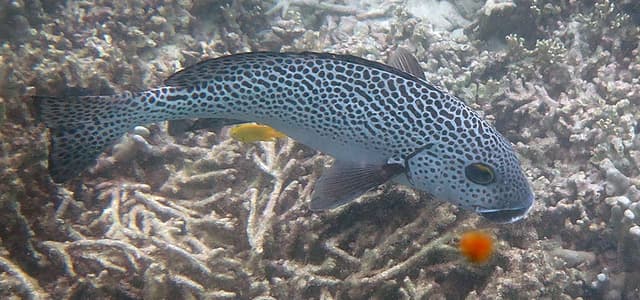
Dotted Sweetlips
Plectorhinchus pica
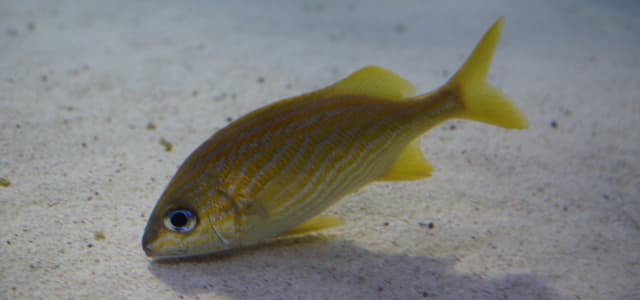
French Grunt
Haemulon flavolineatum
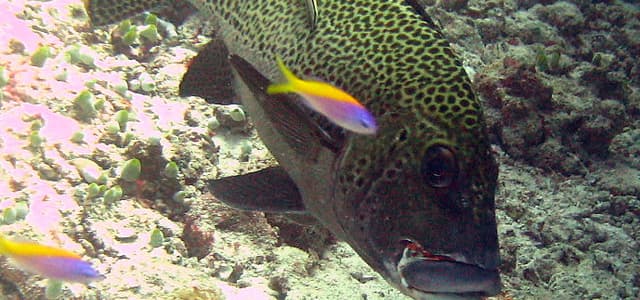
Harlequin Sweetlips
Plectorhinchus chaetodonoides
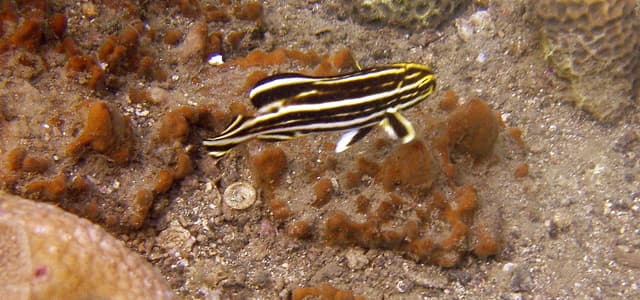
Lesson's Thicklip
Plectorhinchus lessonii
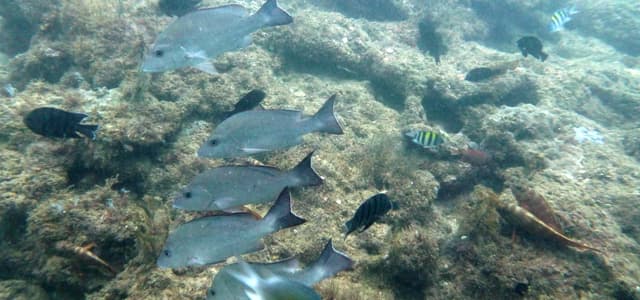
Painted Sweetlips
Diagramma pictum
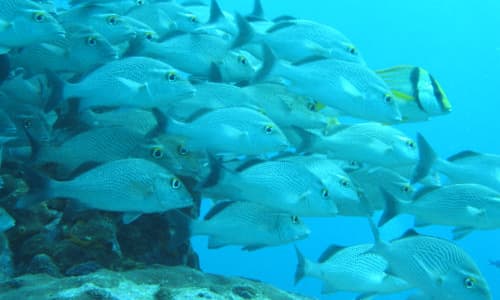
Sailor's Grunt
Haemulon parra
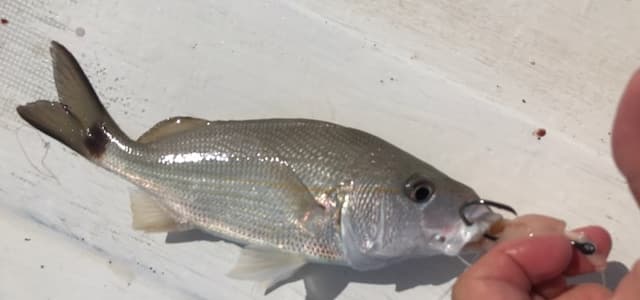
Tomtate Grunt
Haemulon aurolineatum
White Grunt
Haemulon plumierii
Barred Grunt
Conodon nobilis
0 photos
Bastard grunt
Pomadasys incisus
1 photo