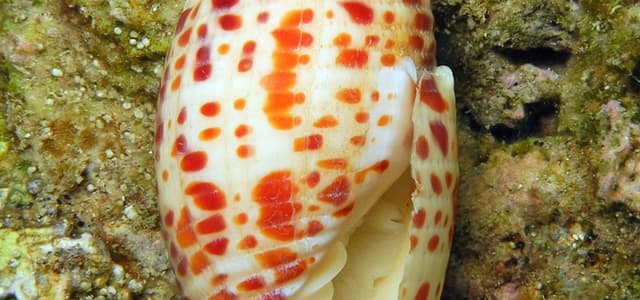
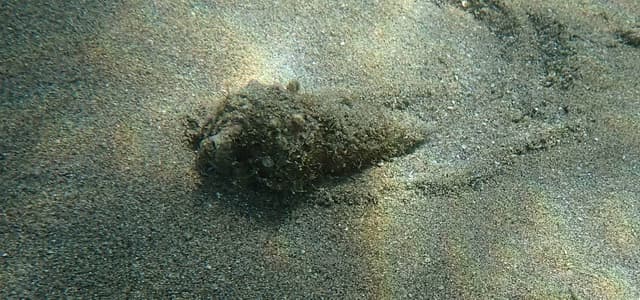
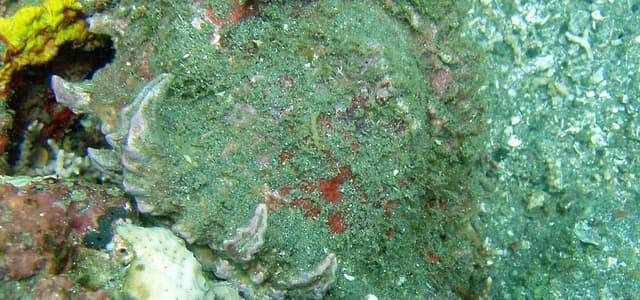
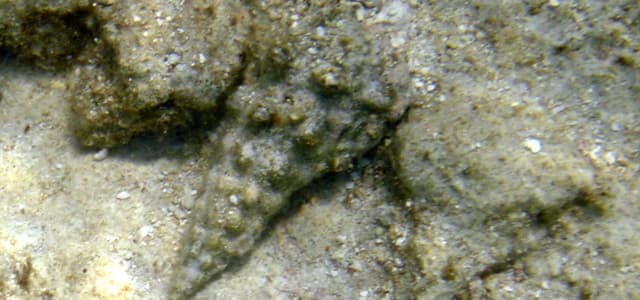
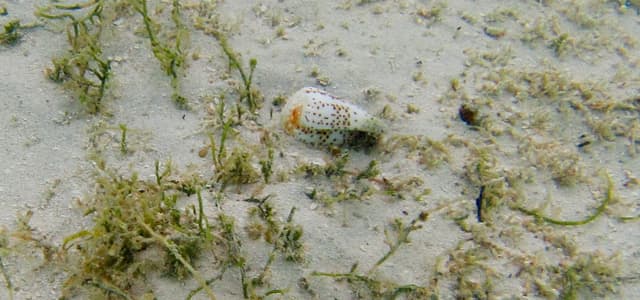
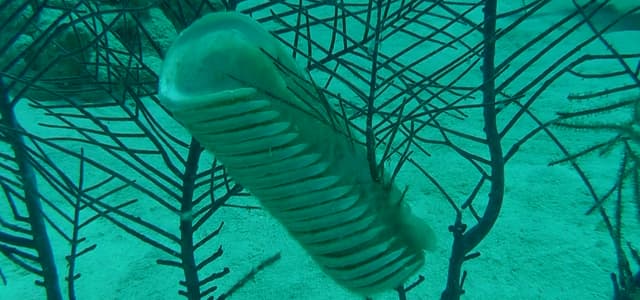
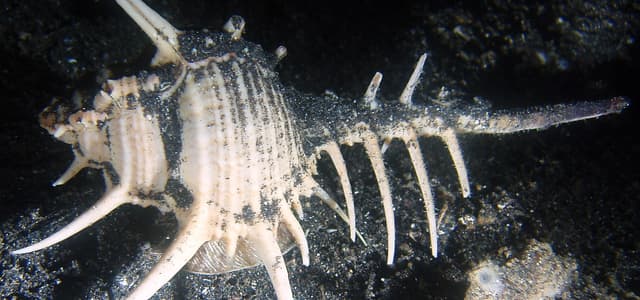
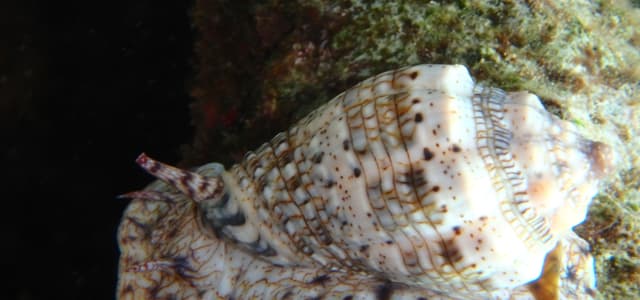
In the description above, it is said that this shell is "also known as "Bishops Mitre." That particular shell is a different species (Mitra mitra), also going under the name of "Episcopal Miter." It's shell has a smooth exterior, smoother shoulders at the sutures (Mitra papalis has small coronations or knobs on them), and the spots are larger, being of an orange coloration - very rarely of a dark crimson hue. Mitra papalis has smaller spots and/or blotches of a dark crimson to maroon coloration.
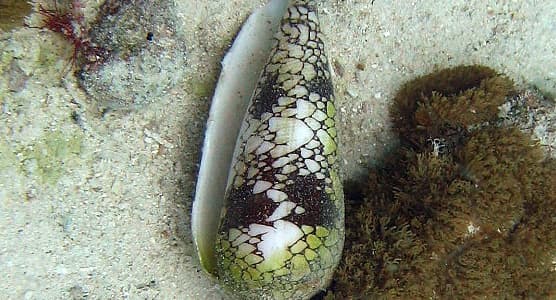
Papal Mitre
Mitra papalis
Also known as: Bishops Mitre, Mitre, Mitre Snail
- Bishops Mitre
- Mitre
- Mitre Snail
Overview
Found during the day, burrowed in the sand or under rocks, over intertidal zones, in the open at night foraging for food.
They feed nocturnally on benthic invertebrates.
Mitres shells can be smooth or notched, the shell resembles a bishops mitre, hence the name!
Mitre shells are usually predatory but sometimes the scavange.
How to identify
Habitat & where to find it
- Range · Indo-West Pacific
Found during the day, burrowed in the sand or under rocks, over intertidal zones, in the open at night foraging for food.
Adult photos 0
Discussion 1
1 comment
- Tony Arioli· 6 Nov 2021
Deep dive
More in the family
Neogastropoda

Bishop's Cone
Conus episcopatus
4 photos

Conus sp.
Conus
1 photo

Diadem Volute
Melo amphora
1 photo

Episcopal Miter
Mitra mitra
1 photo

Filamentose Spindle Shell
Filifusus filamentosus
2 photos

Geographer Cone
Conus geographus
1 photo

Giant Murex
Chicoreus ramosus
3 photos

Gibbose Latirus
Latirus gibbulus
2 photos

Ivory Cone
Conus eburneus
1 photo

Knobbed Whelk
Busycon carica
1 photo

Mud Walkman
Murex tribulus
1 photo

Music Volute
Voluta musica
1 photo