Peter Arioli· 24 Mar 2020
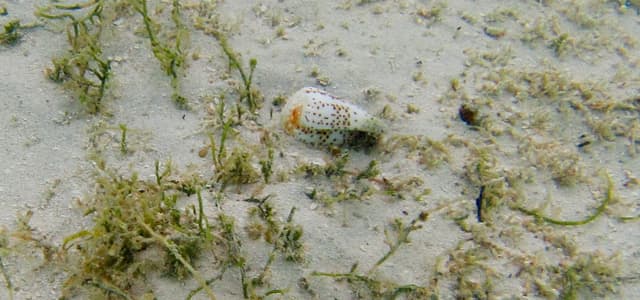
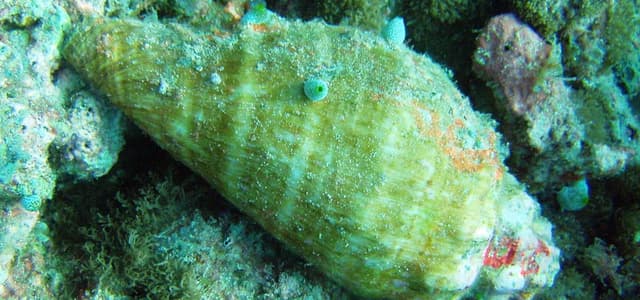
The shell pictured in the above photo is Conus episcopatus, not Conus aulicus. Conus aulicus has a sharply pointed spire, Conus episcopatus, a domed one.
Conus episcopatus
Also known as: Cone Shell, Cone Snail, Cone, Dignified Cone
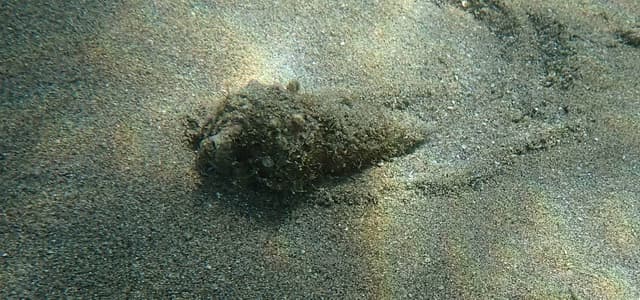
Found under dead corals, or partially buried in sand during the day, emerging at night, hunting for food over shallow waters, of coral reefs, rich in algae growth.
They feed benthic clams, resting fish, other snails, and worms.
Conids have smooth cone shaped shells often very colourful.
They kill their prey by discharging their proboscis at great speed like a harpoon, then a venom is released and so paralysing their victim.
Extremely venomous to humans, may cause death, should not be handled.
NO ANTI-VENOM.
Found under dead corals, or partially buried in sand during the day, emerging at night, hunting for food over shallow waters, of coral reefs, rich in algae growth.
2 comments
The shell pictured in the above photo is Conus episcopatus, not Conus aulicus. Conus aulicus has a sharply pointed spire, Conus episcopatus, a domed one.
Sea Snails (Conidae)