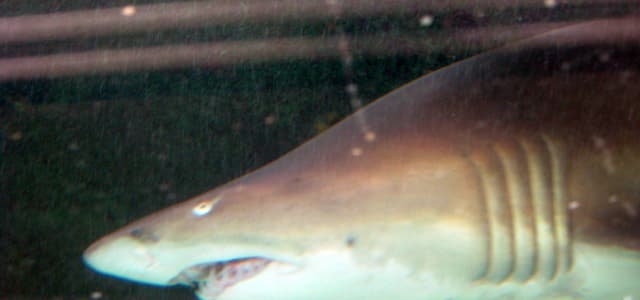
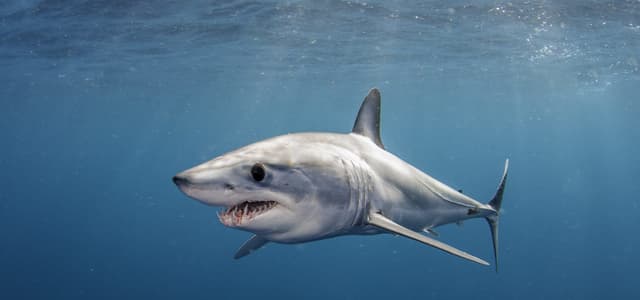
Great White Shark
Carcharodon carcharias
Also known as: Maneater, Maneater Shark, White Death, White Pointer, White Shark
- Maneater
- Maneater Shark
- White Death
- White Pointer
- White Shark
Overview
Found singly, pairs and occasionally small feeding schools over all areas of the oceans.
They feed in poor light usually early morning and late evening, presumably for surprise attacks. Great Whites detect their prey by the electrical impulses that or given out by their victims.
They feed on sea birds, carrion, crustaceans, large fish, humans, marine mammals, octopus and squid.
Considered extremely dangerous, probably the most dangerous shark in the world.
They attack in poor light conditions and it is rare they will attack during the day.
When they attack they bite and tear, humans are harder to digest, so they will often take one bite and leave.
Great whites when hunting can reach speeds of up to 40k and can launch themselves into the air sometimes as much as 10 meters which they regularly do to catch marine mammals such as sea lions.
How to identify
Habitat & where to find it
- Range · Worldwide
- Country only · 14
Found singly, pairs and occasionally small feeding schools over all areas of the oceans.
Adult photos 14
Discussion
No comments yet. Seen one, or got a question about it? Start the discussion.
Deep dive
More in the family
Lamniformes