Tiger Anemone Gorgonian Wrapper
Nemanthus nitidus
Also known as: Colonial Anemone, Colonising Anemone, Communal Anemone, Coral Anemone, Gorgonian Wrapper, Gorgonian Wrapper Colonial Anemone, Hexacoral, Jewel Anemone, Parasitic Anemone, Tiger Anemone, Venus Flytrap Sea Anemone, Whip Anemone, Zebra-striped Gorgonian Wrapper
- Colonial Anemone
- Colonising Anemone
- Communal Anemone
- Coral Anemone
- Gorgonian Wrapper
- Gorgonian Wrapper Colonial Anemone
- Hexacoral
- Jewel Anemone
- Parasitic Anemone
- Tiger Anemone
- Venus Flytrap Sea Anemone
- Whip Anemone
- Zebra-striped Gorgonian Wrapper
Overview
Found in colonies, often creating a carpet effect, wrapped around dead skeletons of gorgonians, (hence the name) black corals and sea whips, over coral and rocky reefs. Laying flat during the day, showing their tentacles at night when feeding.
Sea Anemones are large solitary polyps which have no skeleton. They have a basal or pedal disc which helps them crawl and dig into place, for some, once in place it is virtually impossible to move. Other smaller anemones move around the reef to feed at night.
Most eat plankton, but they are capable of eating anything caught in their stinging tentacles including quite big fish.
The fringing tentacles are configured in six or multiples of six.
Some sea anemones have a symbiotic relationship with sea anemones and some live commensally with various crabs, shrimp and brittle stars.
How to identify
Habitat & where to find it
- Range · Western Pacific
- Country only · 1
Found in colonies, often creating a carpet effect, wrapped around dead skeletons of gorgonians, (hence the name) black corals and sea whips, over coral and rocky reefs.
Adult photos 1
Discussion
No comments yet. Seen one, or got a question about it? Start the discussion.
Deep dive
Taxonomy
- kingdomAnimalia
- phylumCnidaria
- classHexacorallia
- orderActiniaria
- familyNemanthidae
- genusNemanthus
- speciesNemanthus nitidus (Wassilieff, 1908)
SourcesWoRMS
More in the family
Actiniaria
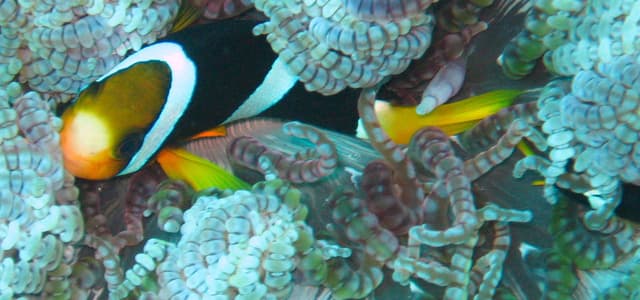
Beaded Anemone
Heteractis aurora
8 photos
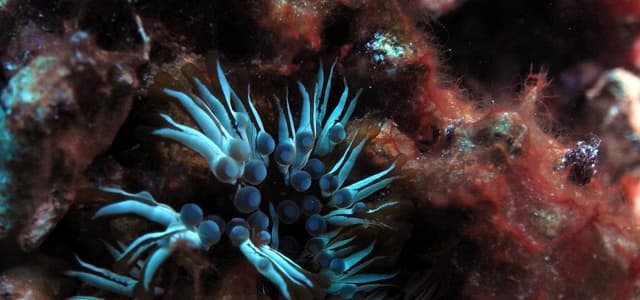
Branching Anemone
Lebrunia neglecta
3 photos
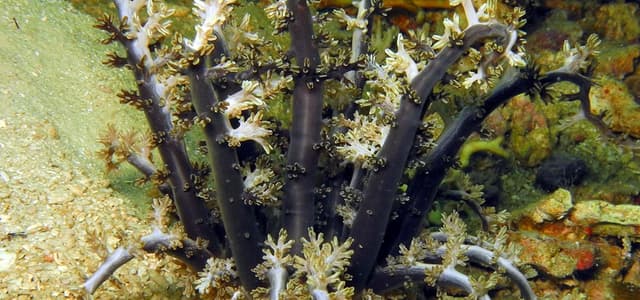
Branching Fire Anemone
Actinodendron glomeratum
1 photo
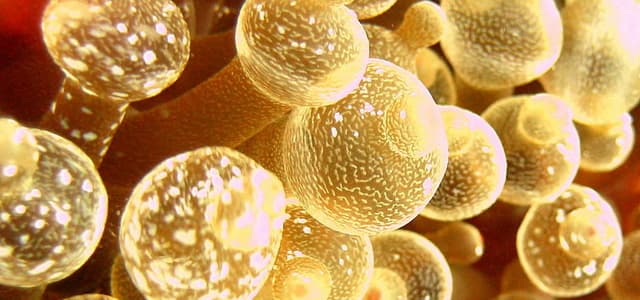
Bulb-tentacle Sea Anemone
Entacmaea quadricolor
19 photos
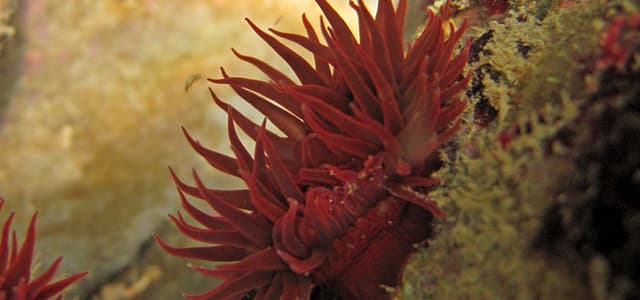
Burgundy Anemone
Bunodosoma goanense
1 photo
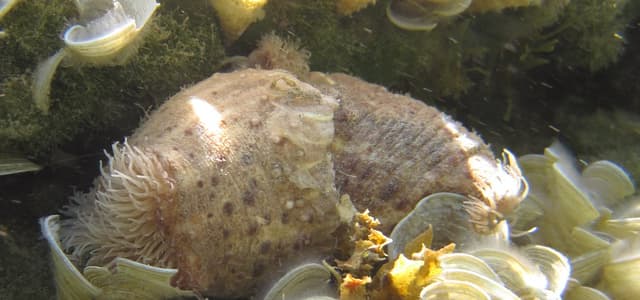
Cloak Anemone
Calliactis palliata
1 photo
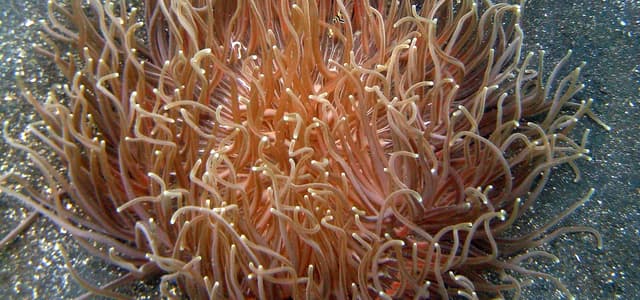
Club Anemone
Telmatactis clavigera
12 photos
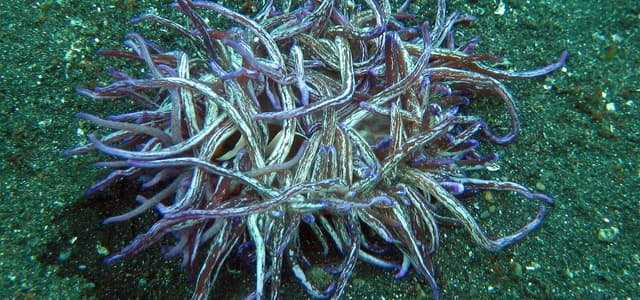
Corkscrew Anemone
Radianthus doreensis
10 photos
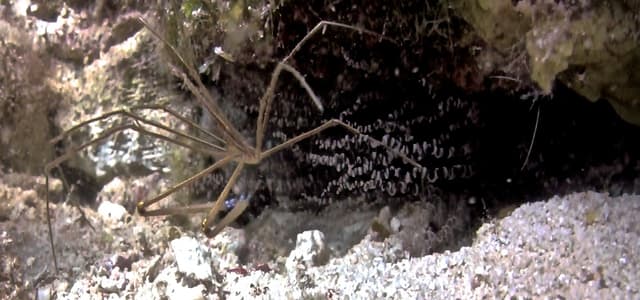
Curlique Anemone
Bartholomea annulata
2 photos
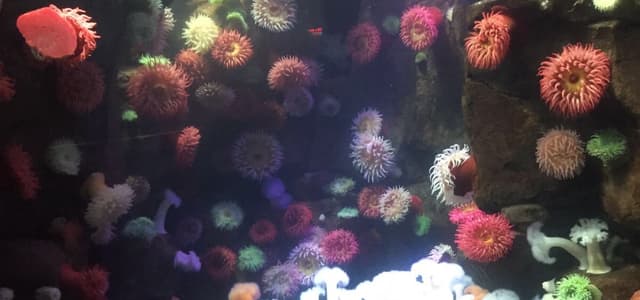
Dahlia Anemone
Urticina felina
4 photos
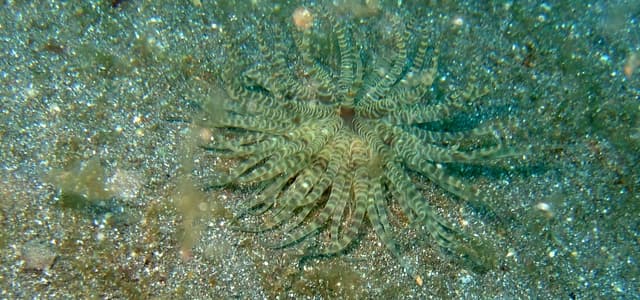
Edwards Sand Anemone
Edwardsianthus pudicus
1 photo
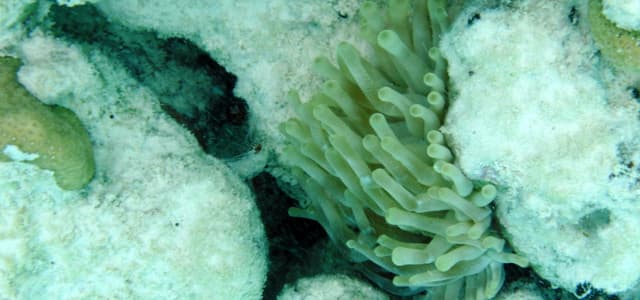
Giant Anemone
Condylactis gigantea
9 photos