emily· 10 Sept 2013
i need to know these things about the stove pipe sponge but i can't seem to find the answers. what is it's internal transport, what is its excretion, movement, and response to temperature change and predators?
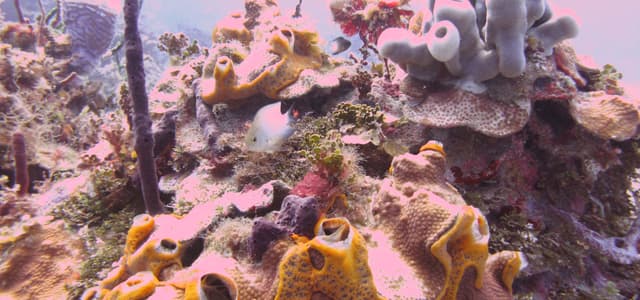
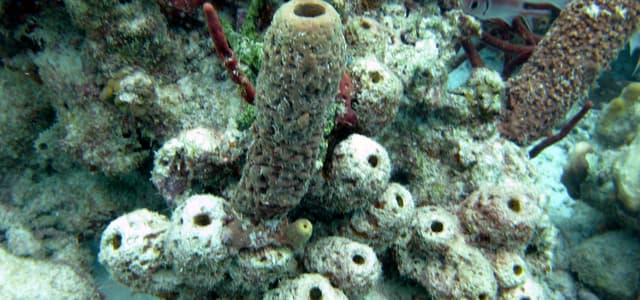
Aplysina archeri
Also known as: Blue Sponge, Demospongiae, Lavender Stovepipe Sponge, Marine Sponge, Pink Tube Sponge, Siliceous Spong, Tube Sponge, Tubular Sponge
Found in colonies, on ledges, around mangroves, and on walls, of coral and rocky reefs.
Sponges come in a range of sizes from minuscule encrusting species under rocks to massive sponges which can be up to one and half metres high.
They are able to filter many litres of sea water every few seconds.
Sponges can exude highly toxic chemicals and so have very few predators apart from nudibranchs, sea stars, sea urchins and umbrella shell.
Their colour can vary if growing in the light or when growing in the shade.
Found in colonies, on ledges, around mangroves, and on walls, of coral and rocky reefs.
5 comments
i need to know these things about the stove pipe sponge but i can't seem to find the answers. what is it's internal transport, what is its excretion, movement, and response to temperature change and predators?
Verongiida