amy· 19 Feb 2013
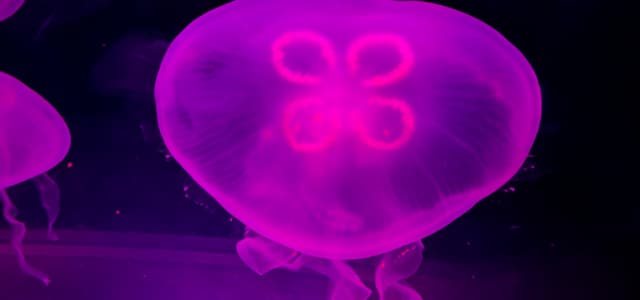
what the heck this has good info but it confusing me first it says the jelly fish has no brains and then it tells me it has 4 i dont think i can trust this site
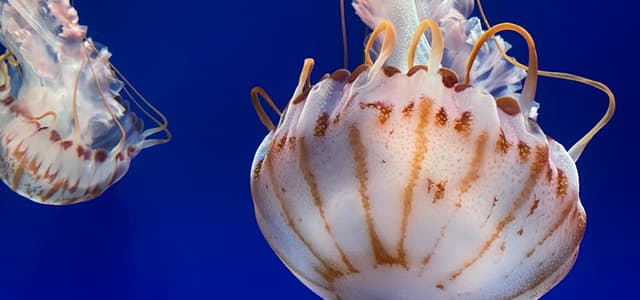
Chrysaora fuscescens
Also known as: Atlantic Sea Nettle, Brown Sea Nettle, Sea Jelly, Sea Nettle Jellyfish, West Coast Sea Nettle
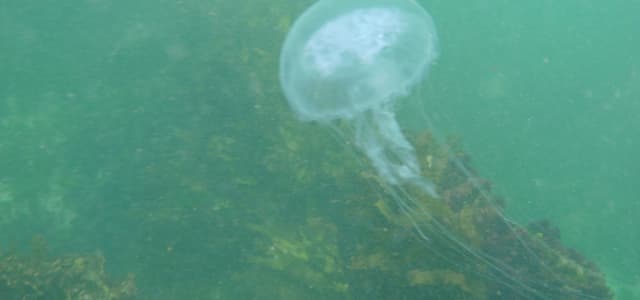
Found near the surface of coastlines, drifting in bays, estuaries, and lagoons, sometimes can be found in the open seas.
Can be toxic!
Jellyfish are 95% water.
They have no heart, brain, blood, or gills. The body of the Jellyfish is called a bell. They do have a mouth, tentacles and arms around their mouth. They use their arms around their mouth to help sense and find food that ends up inside their mouth.
In the winter they disintegrate, the offspring surviving as larvae attached to the bottom. By asexual reproduction they form stacks of platters, and these platters are released in the spring to start their pelagic life.
Their only predators are Bannerfish and Arrow Crabs.
Found near the surface of coastlines, drifting in bays, estuaries, and lagoons, sometimes can be found in the open seas.
3 comments
what the heck this has good info but it confusing me first it says the jelly fish has no brains and then it tells me it has 4 i dont think i can trust this site
this is a good website!! i did a school report and aced it because of this website:)
Semaeostomeae