Magnum Sea Cucumber
Massinium magnum
Also known as: Burrowing Sea Cucumber, Large Burrowing Sea Cucumber, Large Filtering Sea Cucumber, Sea Basket Sea Cucumber, Neothyonidium magnum
- Burrowing Sea Cucumber
- Large Burrowing Sea Cucumber
- Large Filtering Sea Cucumber
- Sea Basket Sea Cucumber
- Neothyonidium magnum
Overview
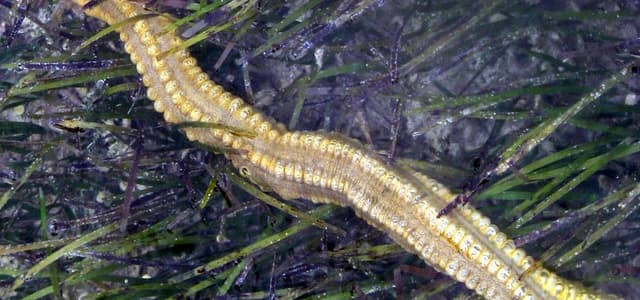
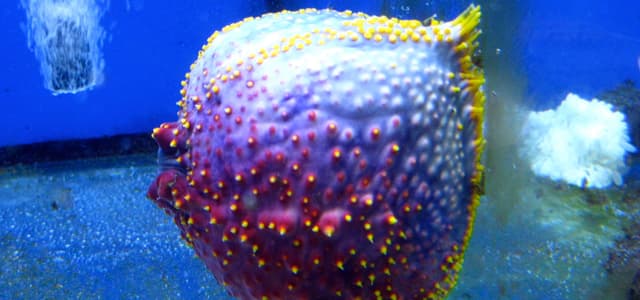
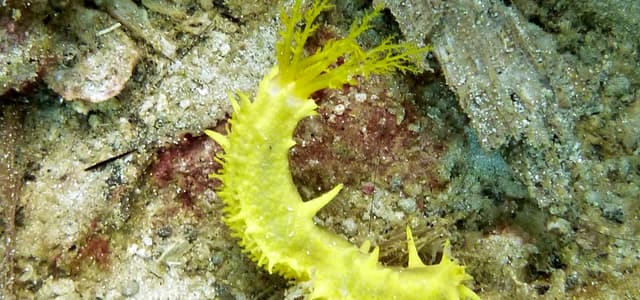
Found singly, buried in gravel, rubble, and sandy substrates, over current swept coral and rocky reefs.
They feed nocturnally on plankton.
When feeding they fan out their "arms" and then one by one roll them in into their mouths to feed.
Some sea cucumbers crawl around on the bottom slowly filtering sand through their tentacles to gather food, while others spread their tentacles above them to capture plankton. A number of sea cucumbers feed nocturnally while others feed by day.
There are sea cucumbers that hardly move while others are more active often perching on tall sponges to feed.
Sea cucumbers often attract hitch-hikers like shrimps and crabs that crawl over their skin, also pearlfish that enter via their anus.
As a means of defence sea cucumbers can expel their intestines or respiratory organs in the form of sticky threads, but these can quickly regenerate.
Juveniles often mimic sea slugs.
Some types of sea cucumbers are edible and considered a delicacy in the Far East countries.
How to identify
Habitat & where to find it
- Range · Western Pacific
- Country only · 2
Found singly, buried in gravel, rubble, and sandy substrates, over current swept coral and rocky reefs.
Adult photos 2
Discussion
No comments yet. Seen one, or got a question about it? Start the discussion.
Deep dive
Taxonomy
- kingdomAnimalia
- phylumEchinodermata
- classHolothuroidea
- orderDendrochirotida
- familyPhyllophoridae
- genusMassinium
- speciesMassinium magnum (Ludwig, 1882)
SourcesWoRMS
More in the family
Dendrochirotida