
JolineCuracao· 18 May 2020
I was doubting between longsnout and lined seahorse. How do you know this is not the longsnout seahorse?
Hippocampus erectus
Also known as: Horsefish, Northern Seahorse, Oceanic Seahorse, Spotted Seahorse
Found singly or in pairs, anchored with their tails to gorgonians and seagrasses, over muddy bottoms, sometimes around man-made structures of coastal reefs.
They feed on zooplankton which they suck whole into their mouths.
Pipefishes and Seahorses are unique in that the male gives birth! The female deposits their eggs after fertilisation into the males pouch to incubate the eggs for one month before giving birth.
They attach to anything they can get their tail around, even each other usually close to the bottom to blend in with their surroundings.
Seahorses are a threatened species because it is sought after for Chinese medicine.
Found singly or in pairs, anchored with their tails to gorgonians and seagrasses, over muddy bottoms, sometimes around man-made structures of coastal reefs.
2 comments
I was doubting between longsnout and lined seahorse. How do you know this is not the longsnout seahorse?
Pipefishes-Seahorses (Syngnathidae)
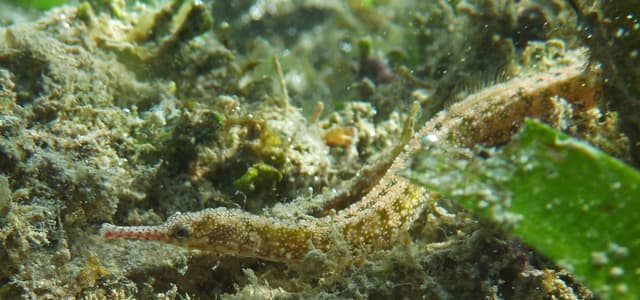
Syngnathoides biaculeatus
1 photo
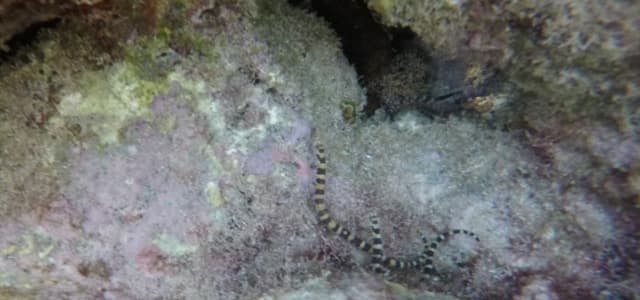
Micrognathus crinitus
4 photos
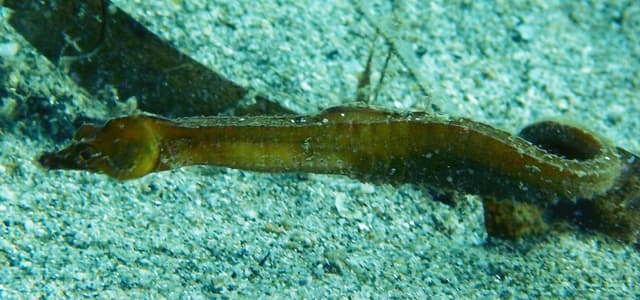
Acentronura gracilissima
1 photo
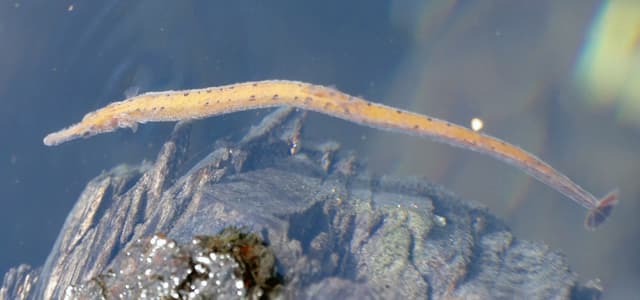
Hippichthys spicifer
1 photo
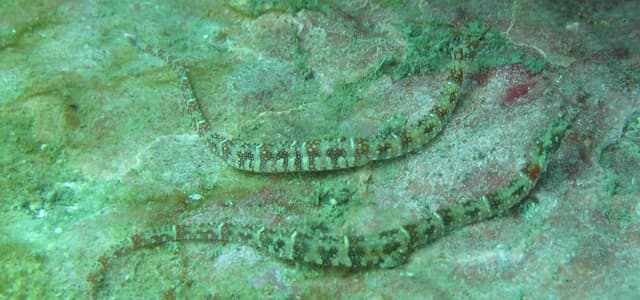
Corythoichthys benedetto
1 photo
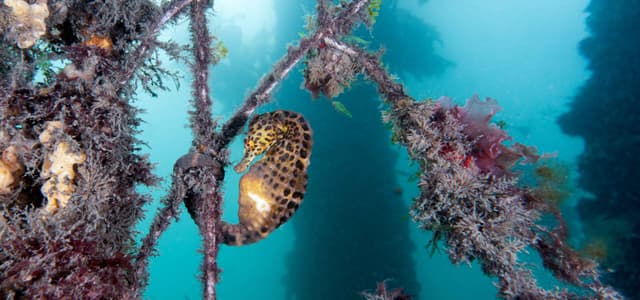
Hippocampus abdominalis
3 photos
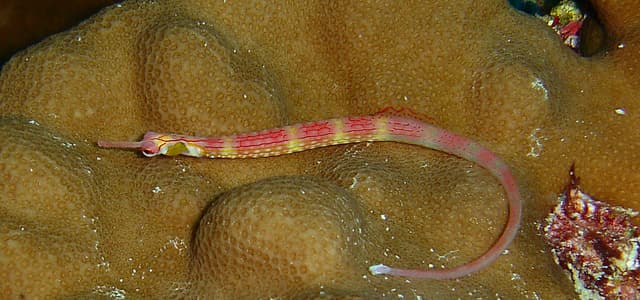
Corythoichthys nigripectus
1 photo
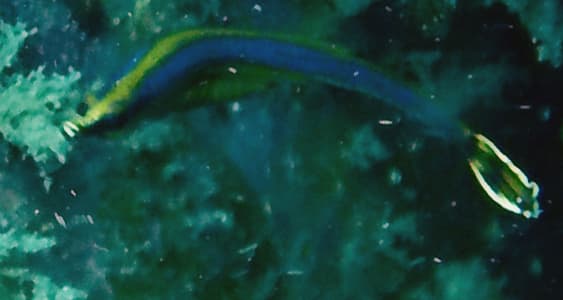
Doryrhamphus excisus
1 photo
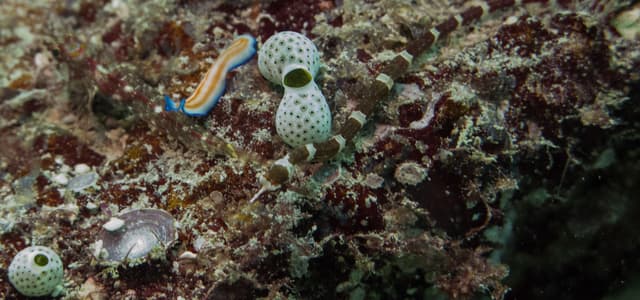
Corythoichthys amplexus
1 photo
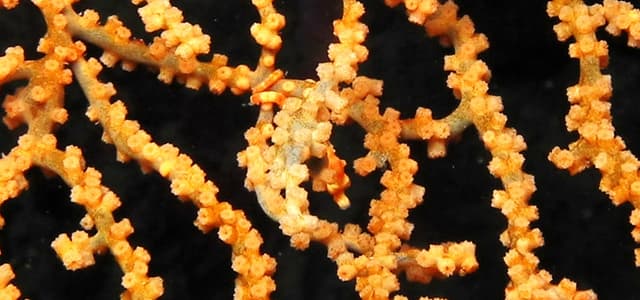
Hippocampus denise
1 photo
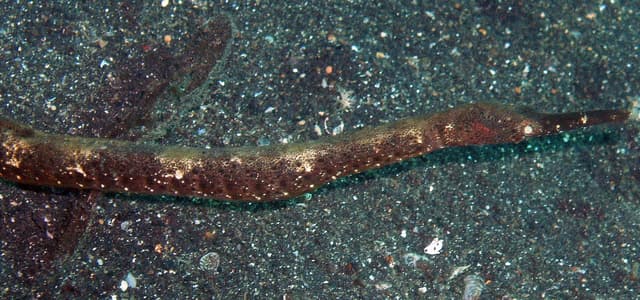
Trachyrhamphus bicoarctatus
7 photos
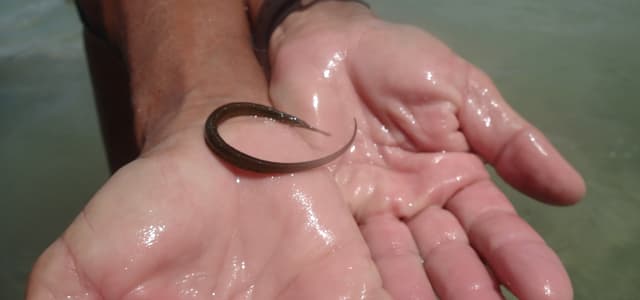
Syngnathus floridae
1 photo
