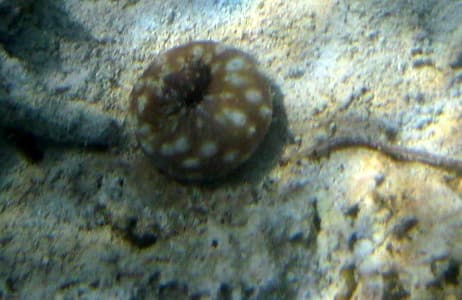
Haddon's Anemone
Stichodactyla haddoni
Also known as: Carpet Anemone, Haddoni Anemone, Haddon's Carpet Anemone, Haddon's Sea Anemone, Hexacoral, Saddle Anemone, Saddle Carpet Sea Anemone, Saddleback Carpet Anemone, Saddleback Carpet Sea Anemone, Sand Anemone, Striped Carpet Anemone
- Carpet Anemone
- Haddoni Anemone
- Haddon's Carpet Anemone
- Haddon's Sea Anemone
- Hexacoral
- Saddle Anemone
- Saddle Carpet Sea Anemone
- Saddleback Carpet Anemone
- Saddleback Carpet Sea Anemone
- Sand Anemone
- Striped Carpet Anemone
Overview
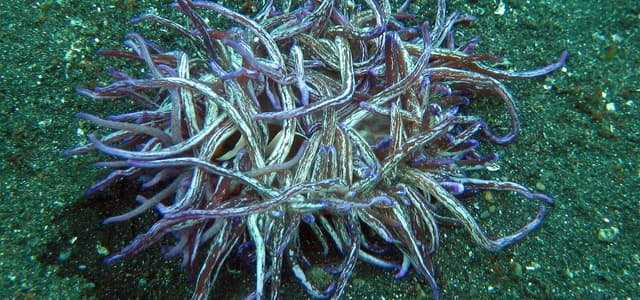
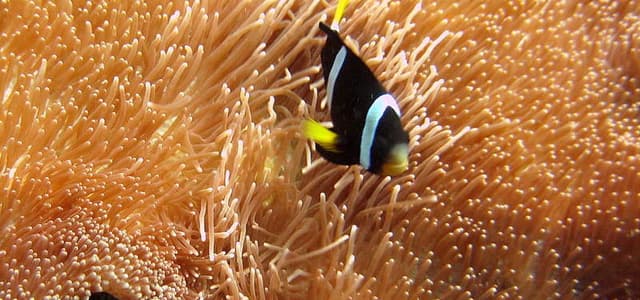
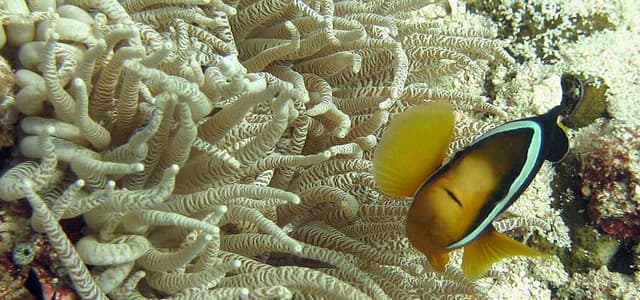
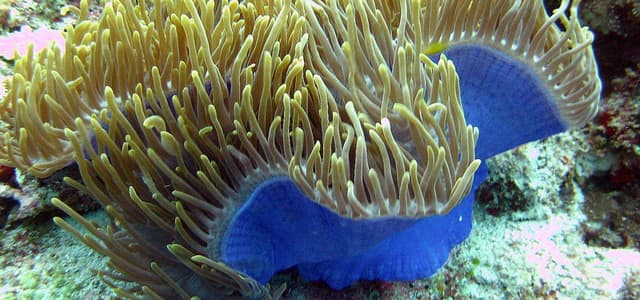
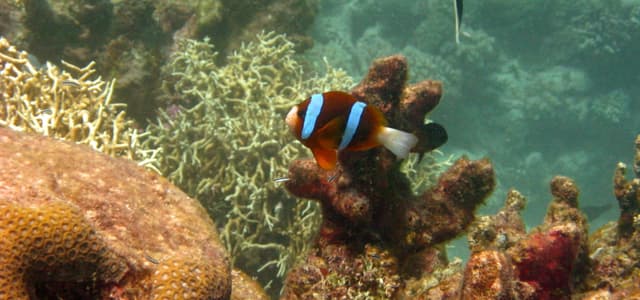
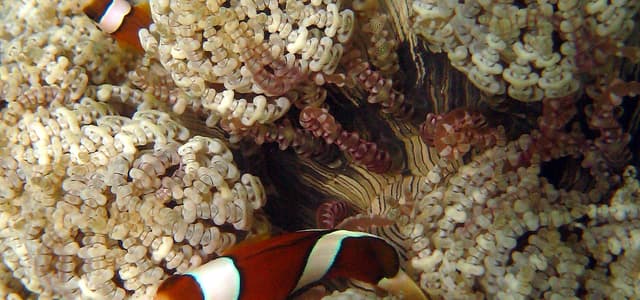
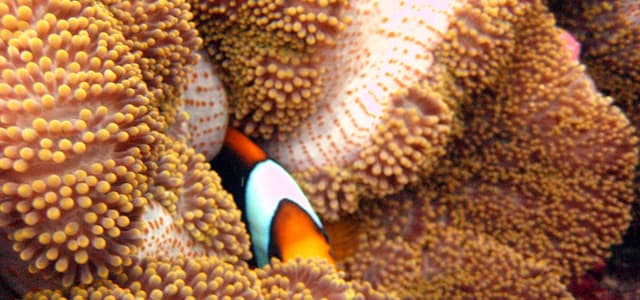
Found in seagrass meadows and sandy areas, over coral and rocky reefs, playing host to 6 types of anemone fish and their families. Colour varies from place to place.
This is the smallest carpet anemone.
Sea Anemones are large solitary polyps which have no skeleton. They have a basal or pedal disc which helps them crawl and dig into place, for some, once in place it is virtually impossible to move. Other smaller anemones move around the reef to feed at night.
Most eat plankton, but they are capable of eating anything caught in their stinging tentacles including quite big fish.
The fringing tentacles are configured in six or multiples of six.
Some sea anemones have a symbiotic relationship with sea anemones and some live commensally with various crabs, shrimp and brittle stars.
How to identify
Habitat & where to find it
- Range · Indo-Pacific
- Country only · 16
Found in seagrass meadows and sandy areas, over coral and rocky reefs, playing host to 6 types of anemone fish and their families.
Adult photos 16
Other species worth knowing
Partners, neighbours & enemies
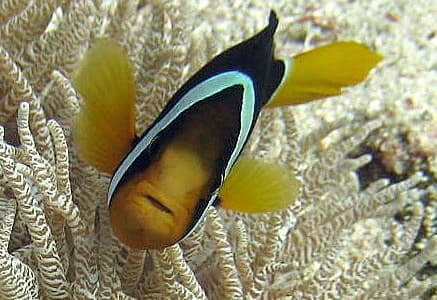
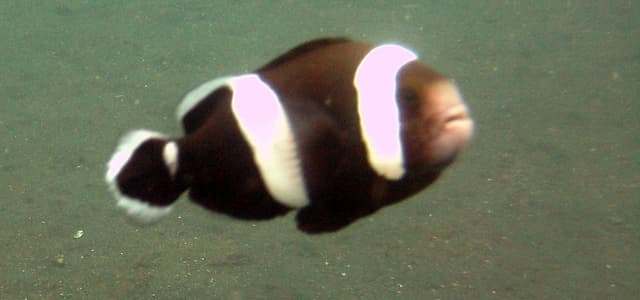
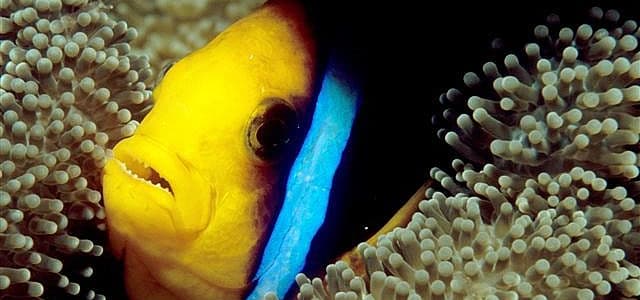
Host to 6 species of anemonefish.
Discussion
No comments yet. Seen one, or got a question about it? Start the discussion.
Deep dive
More in the family
Sea Anemones (Stichodactylidae)