
felisha· 18 Oct 2014
where is the shrimp located in the ocean? (like mesopelagic zone etc.)
Periclimenes colemani
Also known as: Anemone Shrimp, Carid Shrimp, Commensal Shrimp, Fire Urchin Shrimp, Sea Urchin Shrimp, Toxic Urchin Shrimp
Found usually in pairs, exclusively on the fire urchin - Asthenosoma varium, which in turn is known as the toxic sea urchin. The larger one is the female. The host urchin's spines do not harm the shrimp, but they usually clear an area on the urchin where they perch.
Often if a divers hand is near to a cleaner shrimps, they will hop on board and perform a manicure!
This is best avoided with this shrimp.
Carid shrimps occur worldwide in almost every habitat, from sea water to fresh water and can be found all over the reef.
They are generally respected by other creatures, often sharing burrows and holes and working as housekeepers.
They will wave their antennae around to attract customers, they then proceed to clean outside and inside the creatures mouths, gills etc,.
Tap any trait to see other fish that share it.
Found usually in pairs, exclusively on the fire urchin - Asthenosoma varium, which in turn is known as the toxic sea urchin.
2 comments
where is the shrimp located in the ocean? (like mesopelagic zone etc.)
SourcesWoRMS
Shrimps (Palaemonidae)
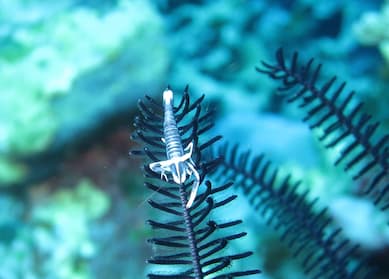
Laomenes amboinensis
1 photo
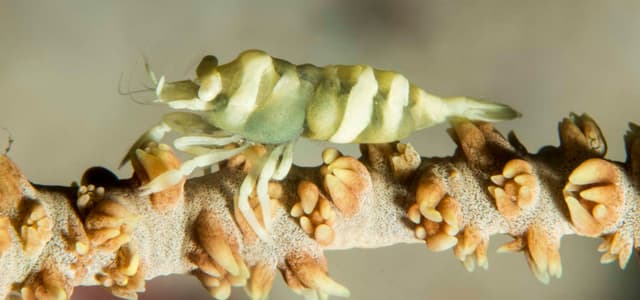
Pontonides ankeri
2 photos
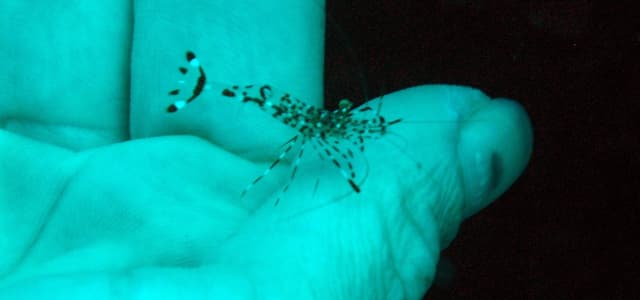
Urocaridella antonbruunii
8 photos
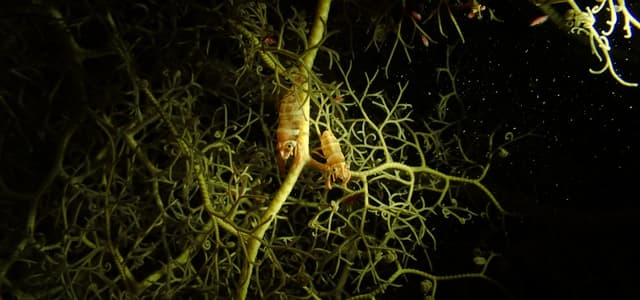
Lipkemenes lanipes
1 photo
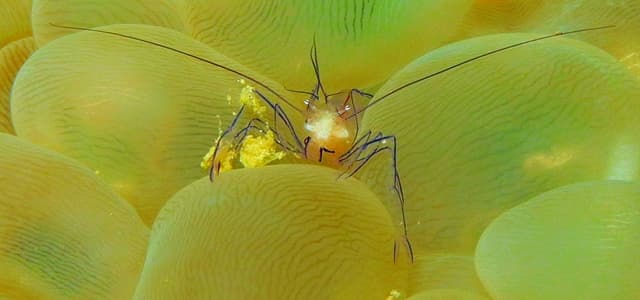
Palaemonella philippinensis
3 photos
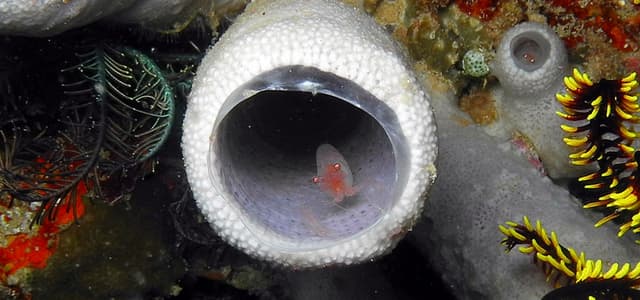
Thaumastocaris streptopus
1 photo
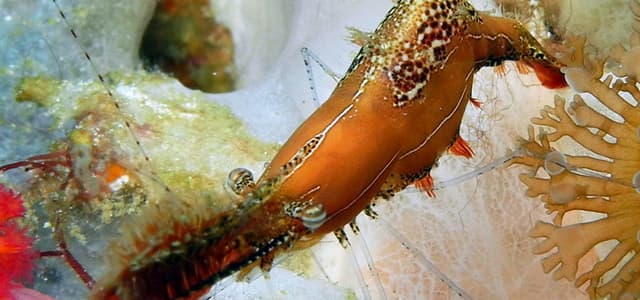
Leander plumosus
2 photos
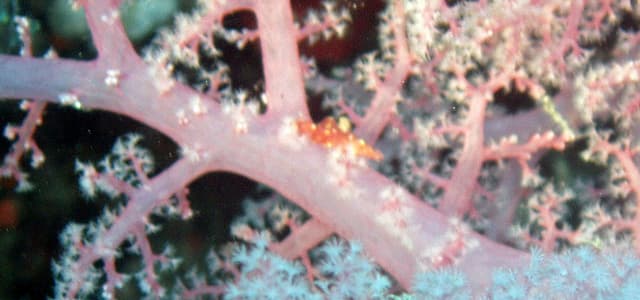
Hamodactylus boschmai
2 photos
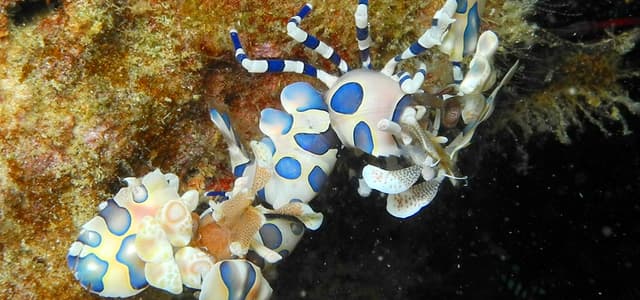
Hymenocera picta
3 photos
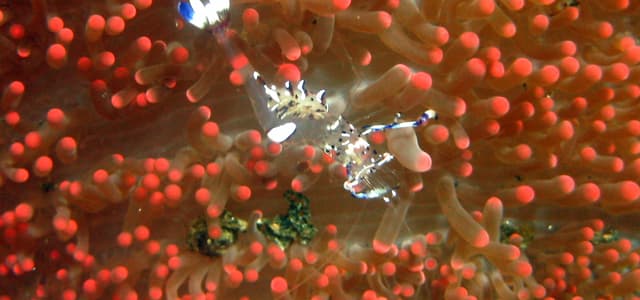
Ancylomenes holthuisi
6 photos
Zenopontonia rex
4 photos
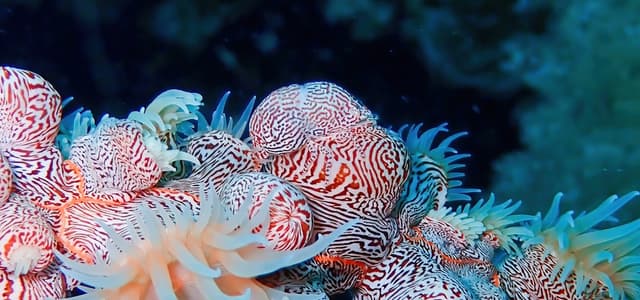
Izucaris masudai
1 photo
