Ambon Cleaner Shrimp
Lysmata amboinensis
Also known as: Ambon Shrimp, Carid Shrimp, Cleaner Shrimp, Common Cleaner Shrimp, Humpback Cleaner Shrimp, Humped-back Cleaner Shrimp, Indo-Pacific White-banded Cleaner Shrimp, Indo-Pacific White-striped Cleaner Shrimp, Northern Cleaner Shrimp, Pacific Cleaner Shrimp, Pacific White-striped Cleaner Shrimp, Red Skunk Cleaner Shrimp, Red-white-striped Cleaner Shrimp, Scarlet Cleaner Shrimp, Scarlet Skunk Cleaner Shrimp, Scarlet Shrimp, Scarlet White-striped Cleaner Shrimp, Skunk Cleaner Shrimp, White-banded Cleaner Shrimp, Whitestripe Cleaner Shrimp
- Ambon Shrimp
- Carid Shrimp
- Cleaner Shrimp
- Common Cleaner Shrimp
- Humpback Cleaner Shrimp
- Humped-back Cleaner Shrimp
- Indo-Pacific White-banded Cleaner Shrimp
- Indo-Pacific White-striped Cleaner Shrimp
- Northern Cleaner Shrimp
- Pacific Cleaner Shrimp
- Pacific White-striped Cleaner Shrimp
- Red Skunk Cleaner Shrimp
- Red-white-striped Cleaner Shrimp
- Scarlet Cleaner Shrimp
- Scarlet Skunk Cleaner Shrimp
- Scarlet Shrimp
- Scarlet White-striped Cleaner Shrimp
- Skunk Cleaner Shrimp
- White-banded Cleaner Shrimp
- Whitestripe Cleaner Shrimp
Overview
Found in pairs or groups, at fish cleaning stations, over coral and rocky reefs, waving their antennae to attract customers.
Often if a divers hand is near to a cleaner shrimps, they will hop on board and perform a manicure!
Carid shrimps occur worldwide in almost every habitat, from sea water to fresh water and can be found all over the reef.
They are generally respected by other creatures, often sharing burrows and holes and working as housekeepers.
They will wave their antennae around to attract fish, they then proceed to clean outside and inside the creatures mouths, gills etc,.
How to identify
- Pattern
- stripes
Tap any trait to see other fish that share it.
Habitat & where to find it
- Range · Indo-Pacific
- Exact location · 1
- Country only · 11
Found in pairs or groups, at fish cleaning stations, over coral and rocky reefs, waving their antennae to attract customers.
Adult photos 12
Discussion
No comments yet. Seen one, or got a question about it? Start the discussion.
Deep dive
More in the family
Decapoda
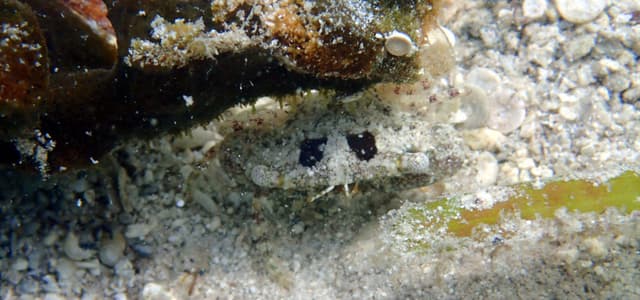
Admete Crab
Thalamita admete
1 photo
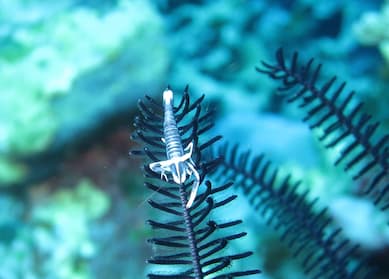
Ambon Criniod Shrimp
Laomenes amboinensis
1 photo
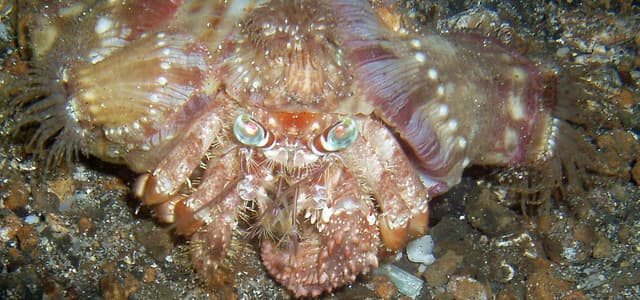
Anemone Hermit Crab
Dardanus pedunculatus
18 photos
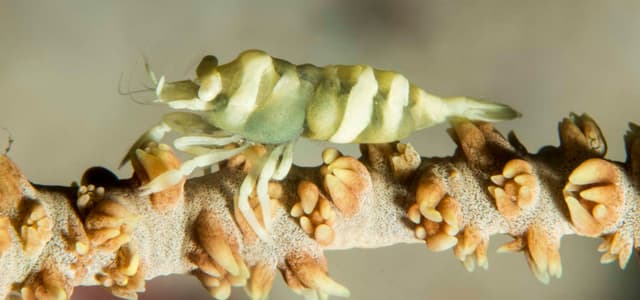
Anker's Whip Coral Shrimp
Pontonides ankeri
2 photos
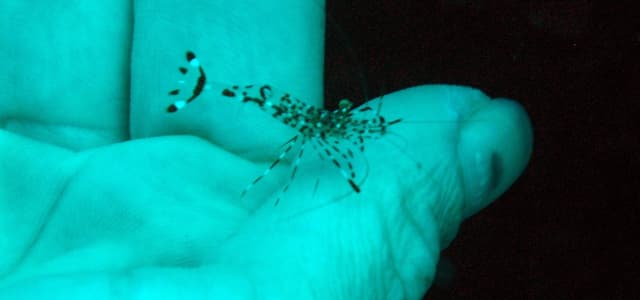
Anton Bruuni Cleaner Shrimp
Urocaridella antonbruunii
8 photos
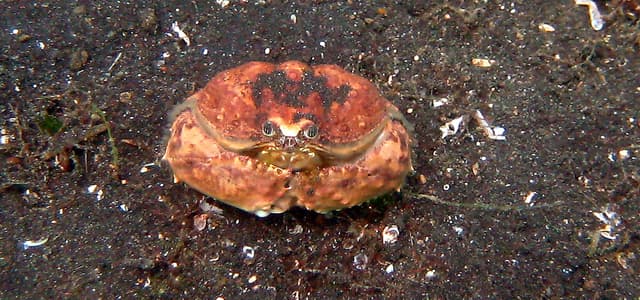
Arched Box Crab
Calappa convexa
1 photo
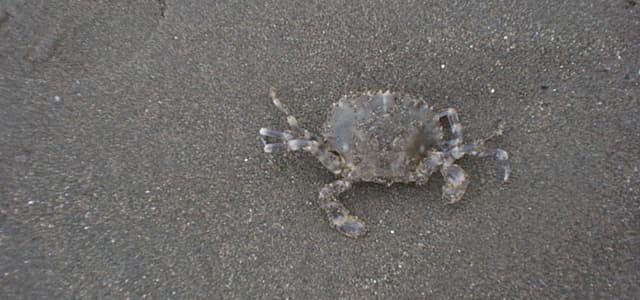
Asian Paddle Crab
Charybdis (Charybdis) japonica
2 photos
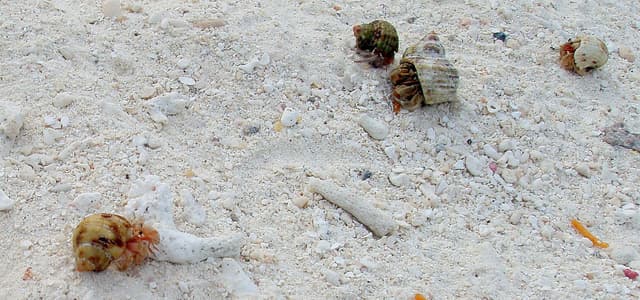
Australian Land Hermit Crab
Coenobita variabilis
2 photos
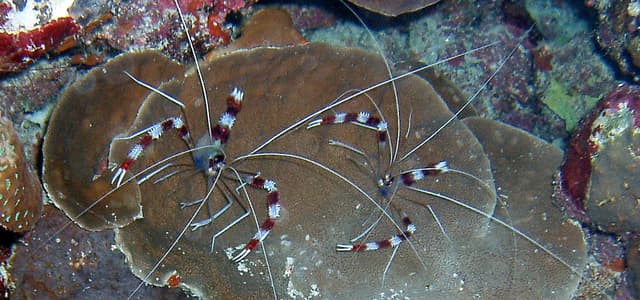
Banded Boxer Shrimp
Stenopus hispidus
25 photos
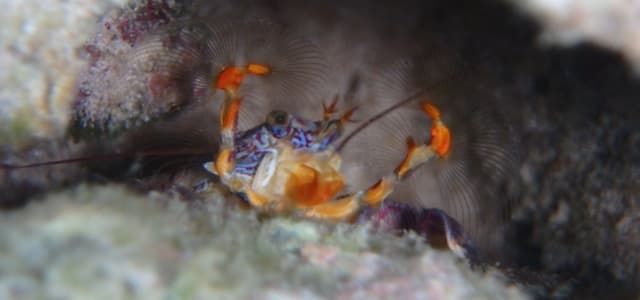
Banded Porcelain Crab
Petrolisthes galathinus
1 photo
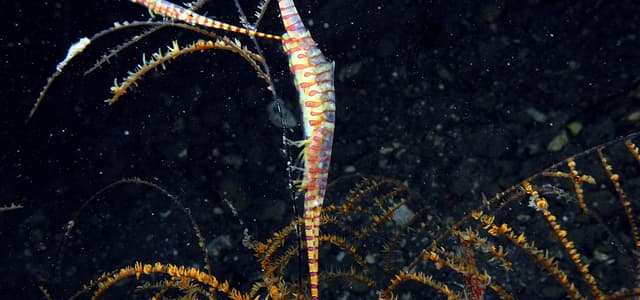
Banded Tozeuma Shrimp
Tozeuma armatum
1 photo
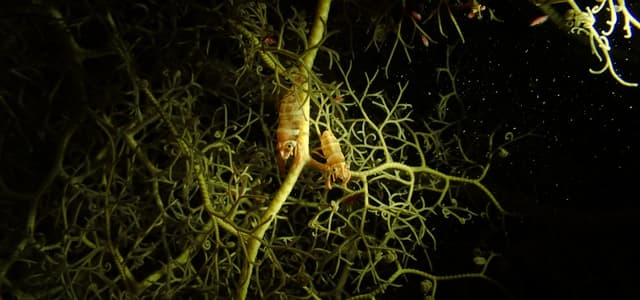
Basket Star Shrimp
Lipkemenes lanipes
1 photo