










Description
Also known as Atlantic Hawksbill, Atlantic Hawksbill Sea Turtle, Carey, Carey Sea Turtle, Hawksbill, Hawksbill Sea Turtle, Tortoiseshell Turtle, Tropical Sea Turtle.
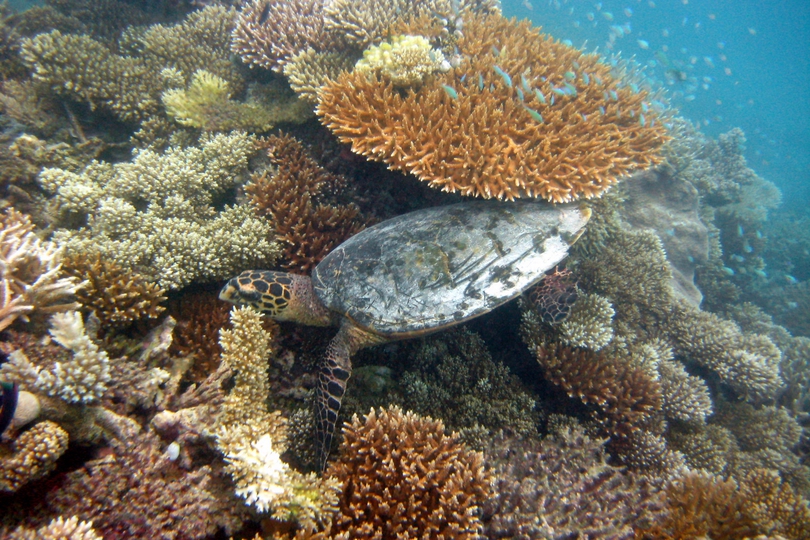
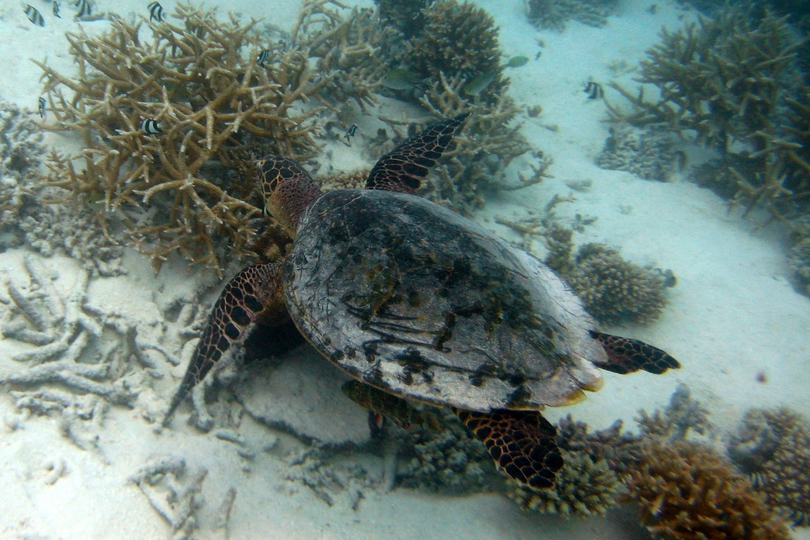
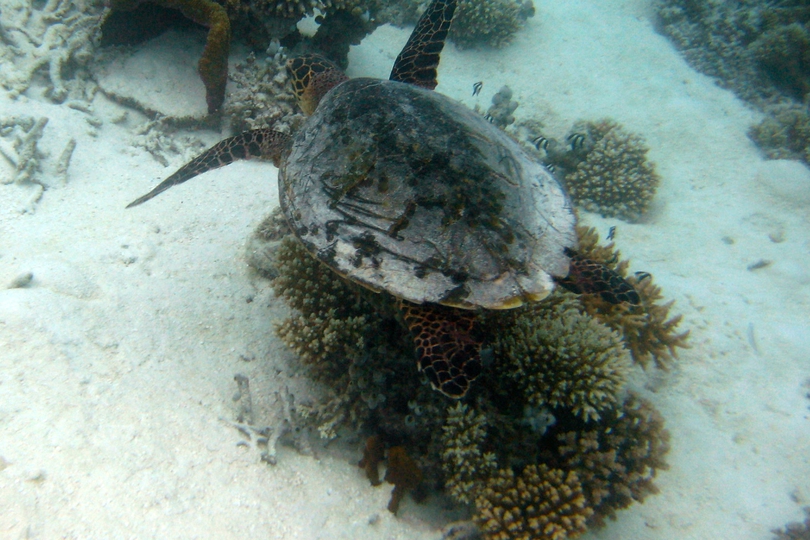
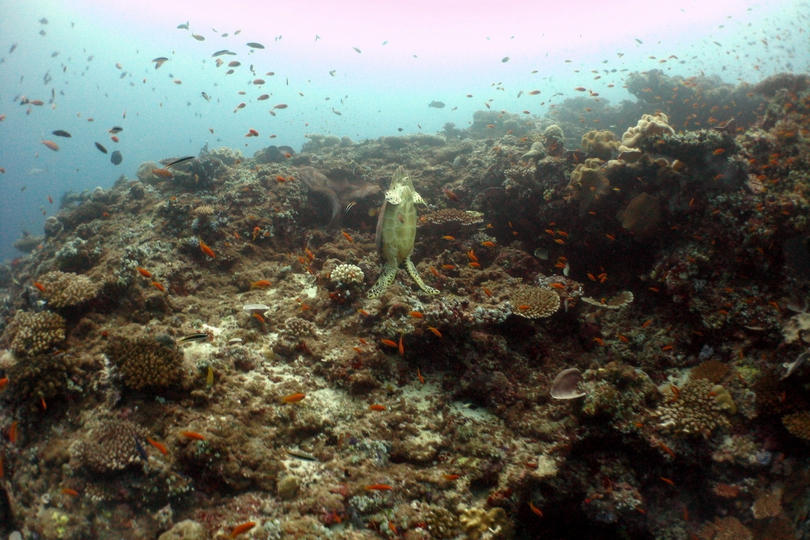
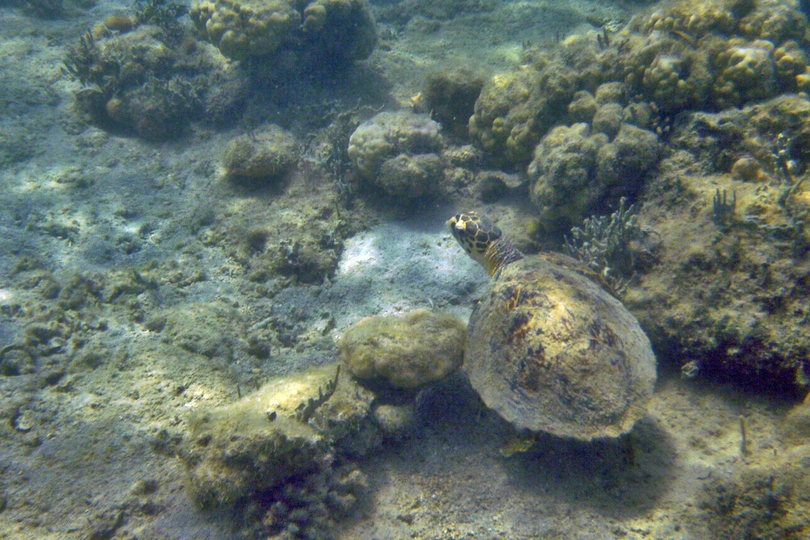
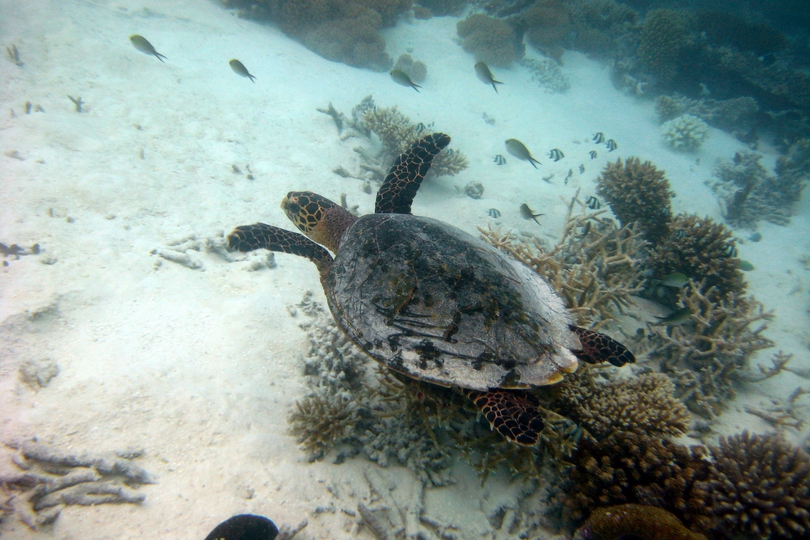
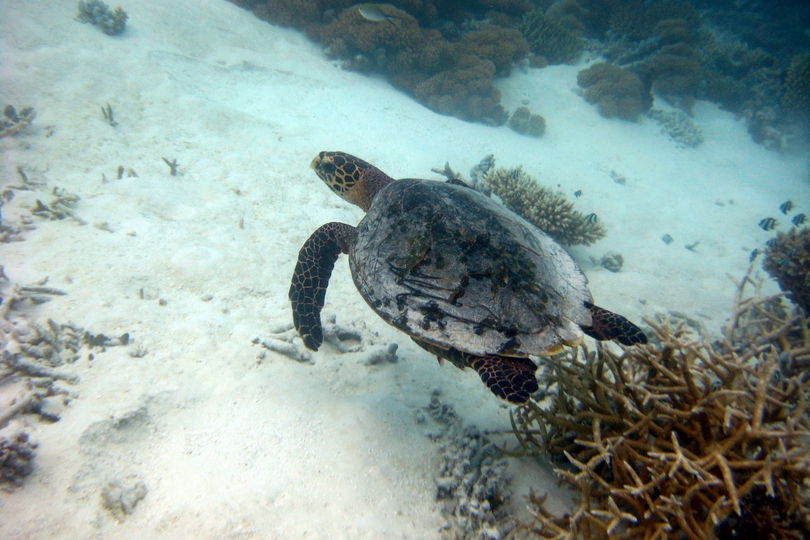
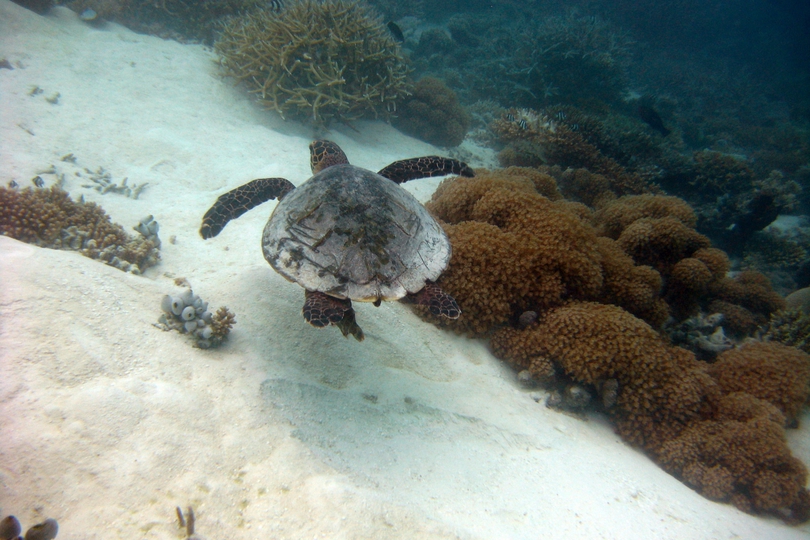
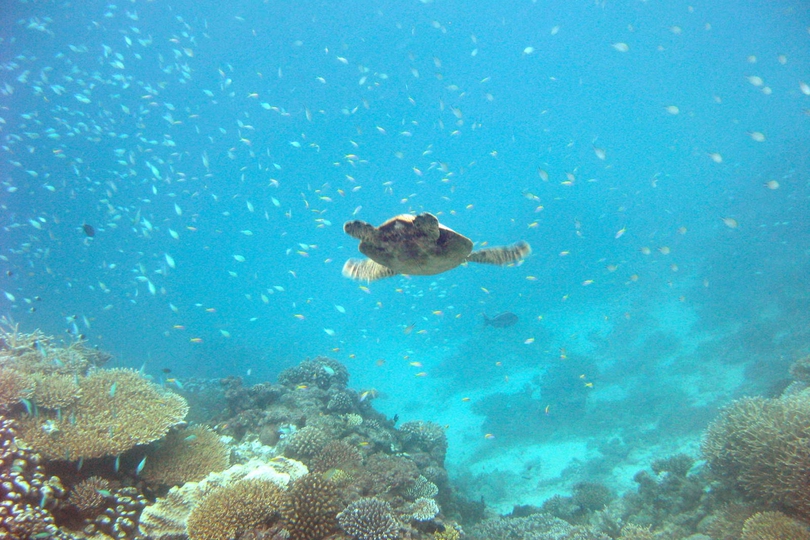
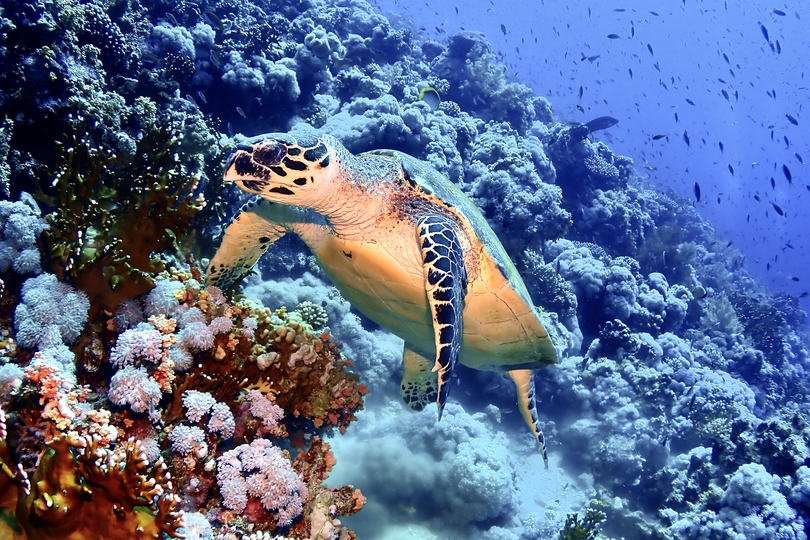
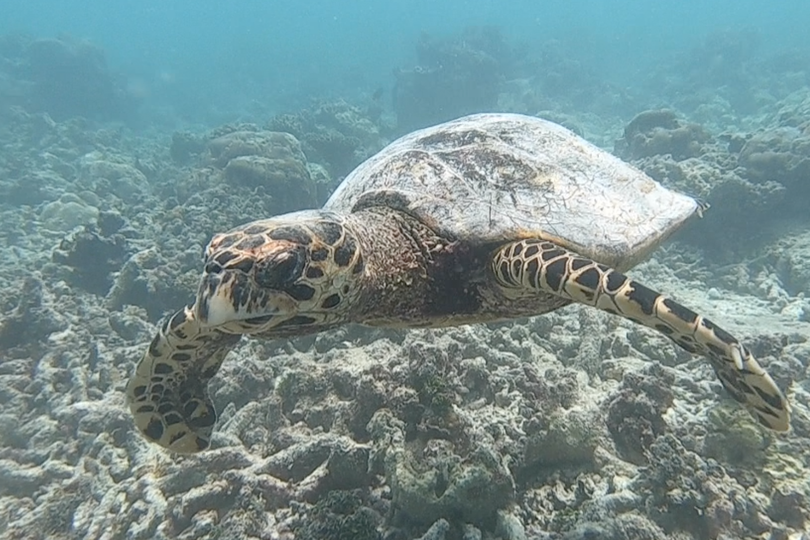
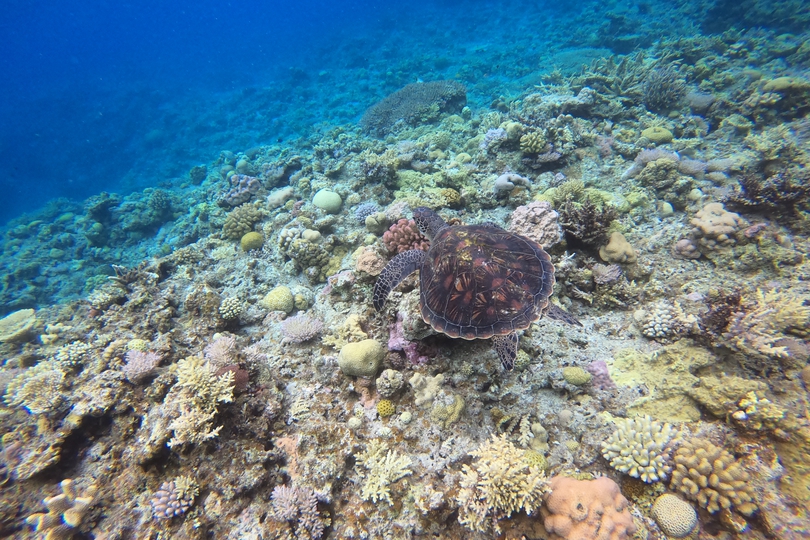
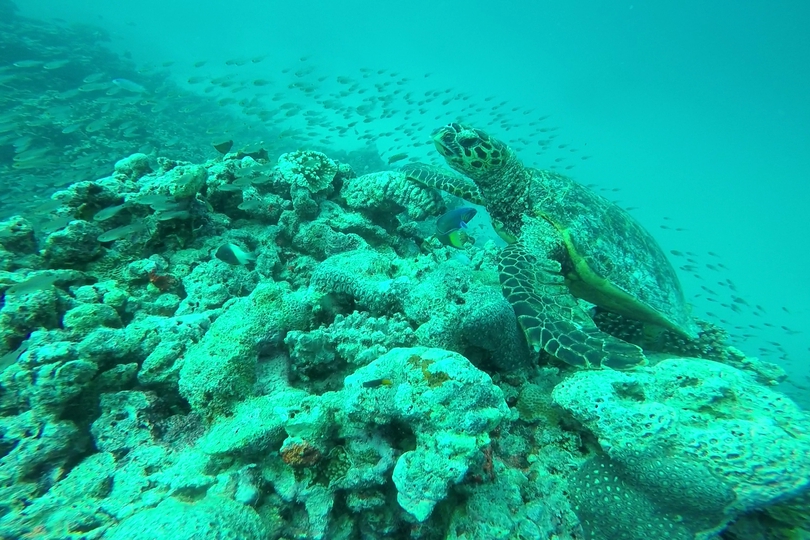
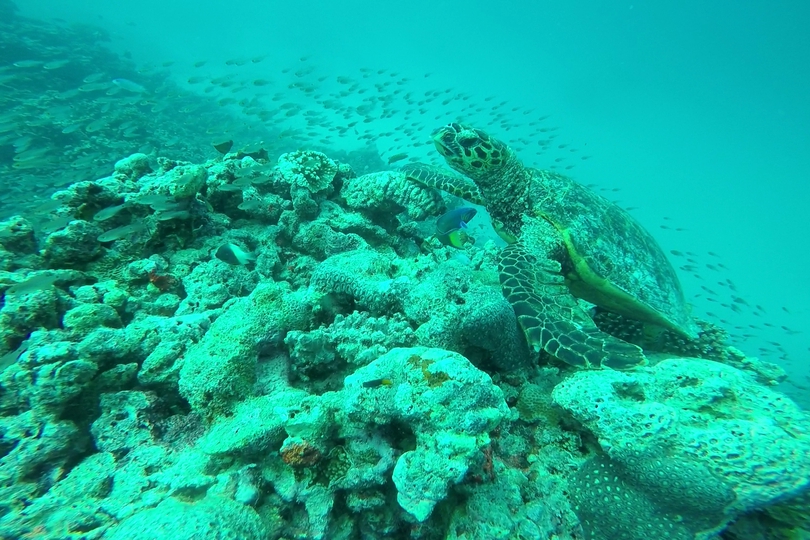
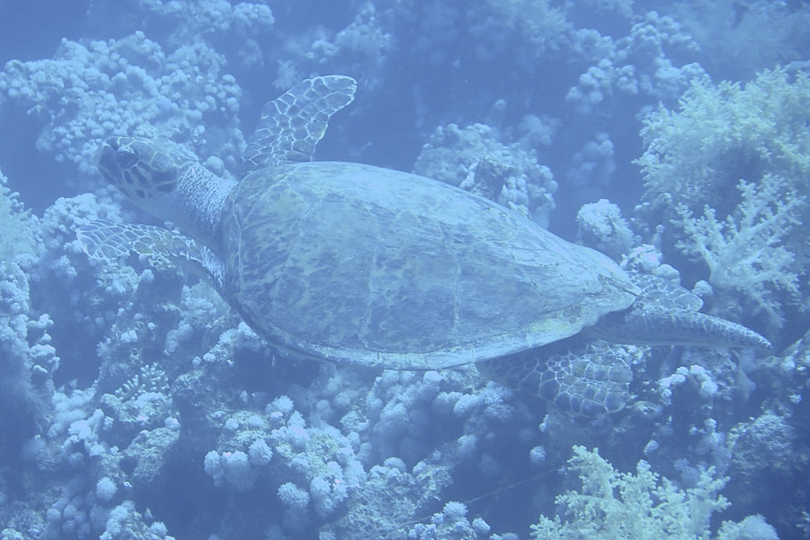
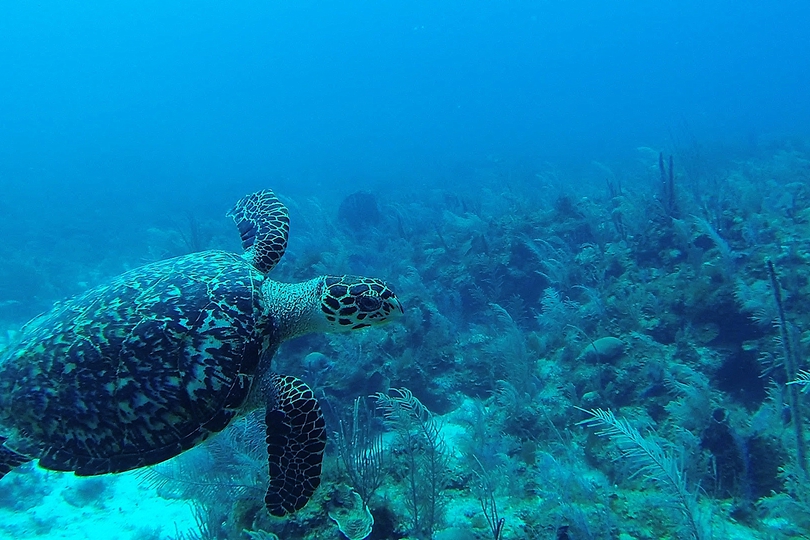
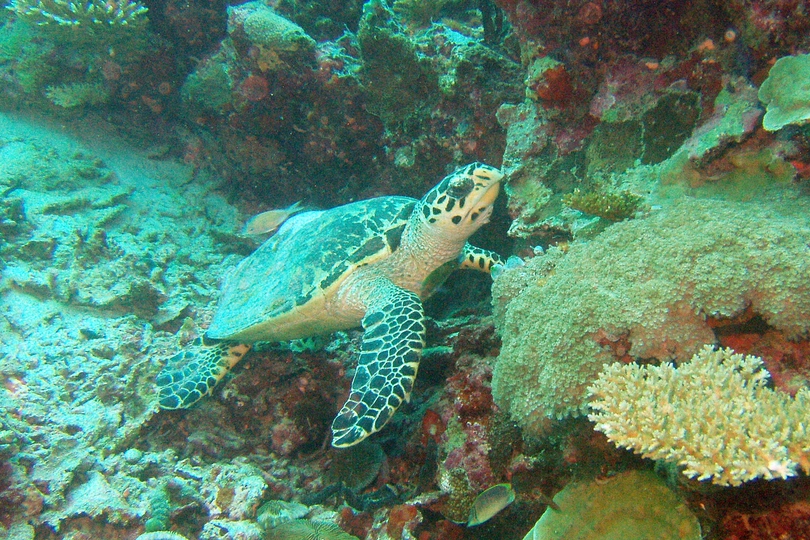
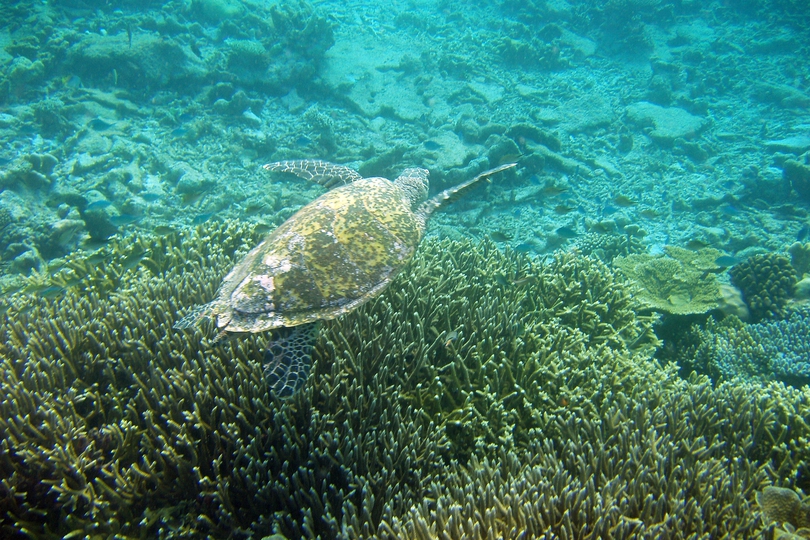
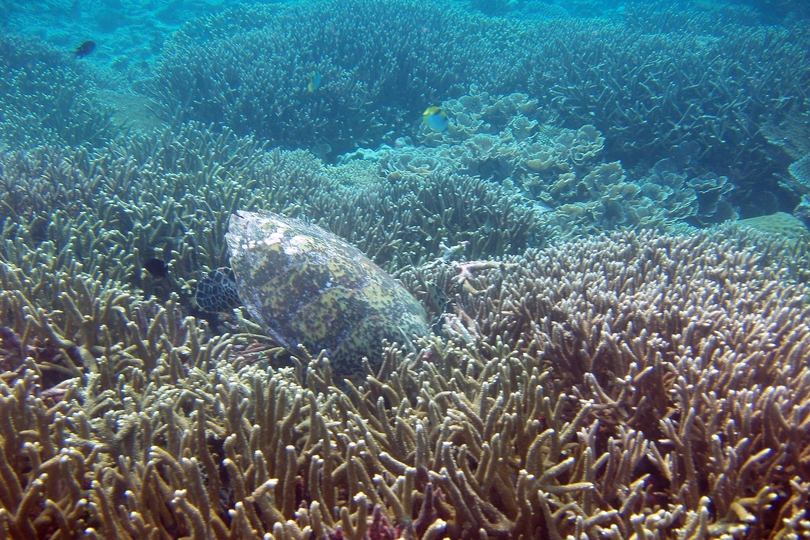
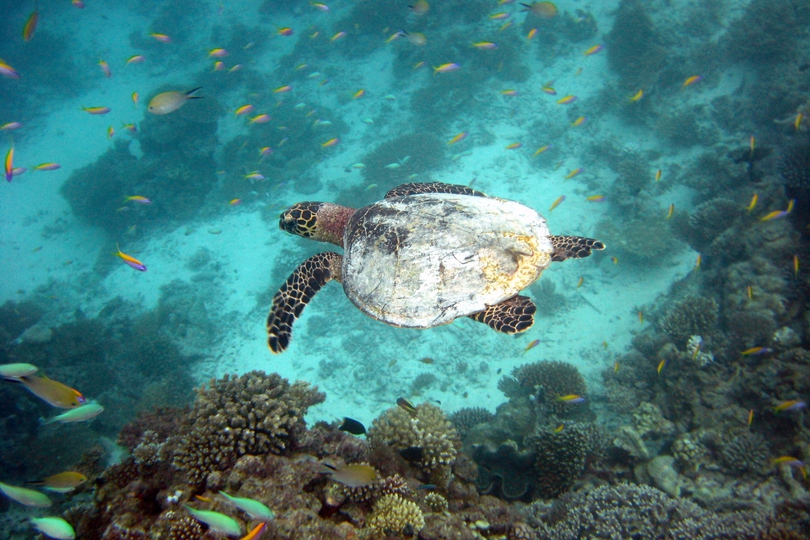
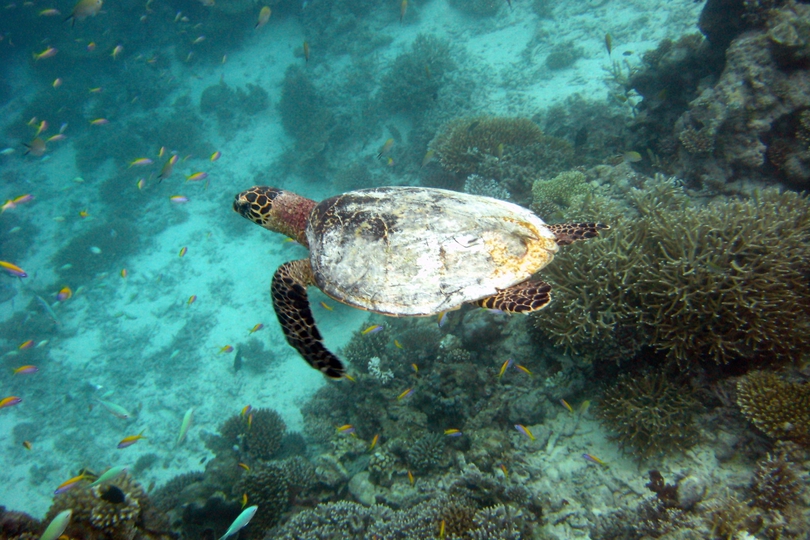
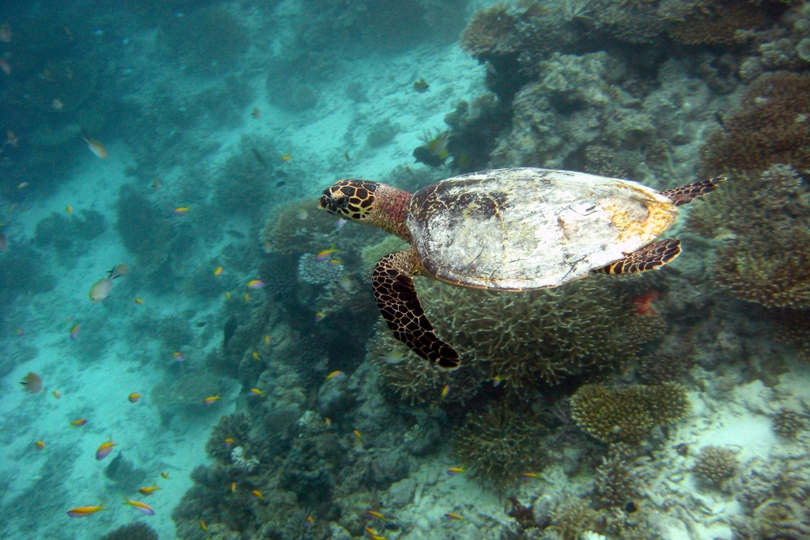
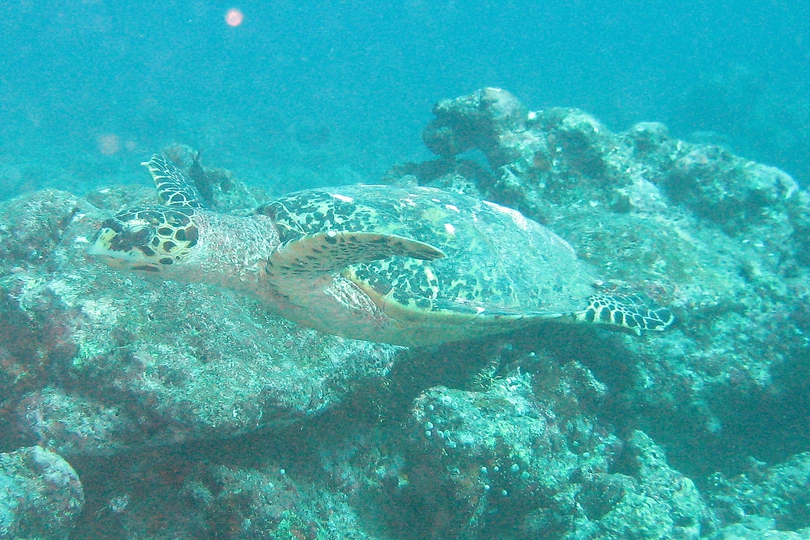
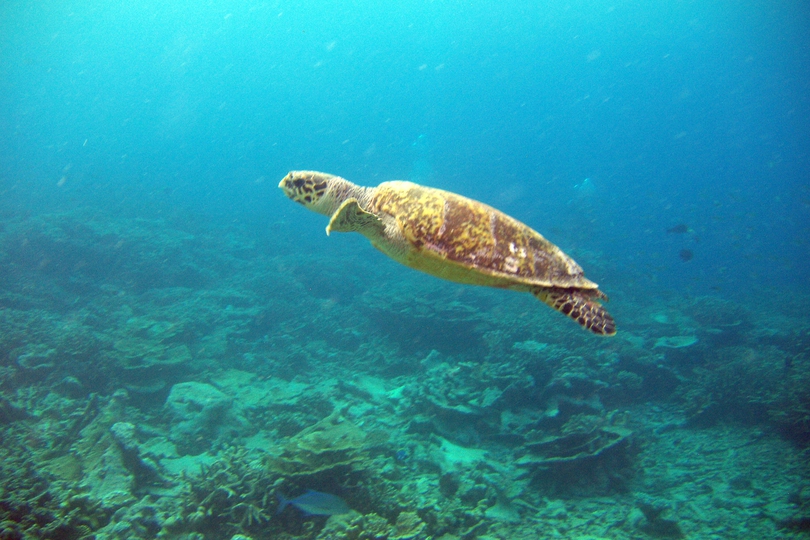
Found in shallow lagoons and coral reefs, as well as in deeper waters of the open sea.
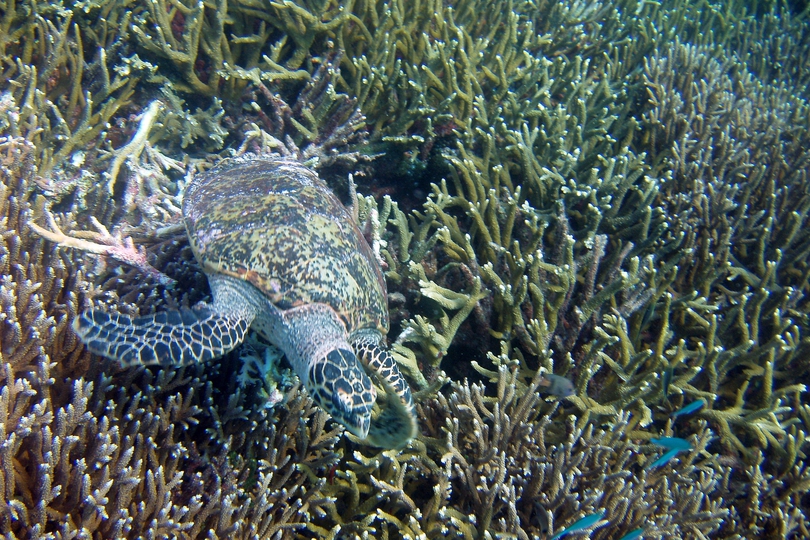
They feed on algae, ascidians, cephalopods, jellyfish, molluscs, salps, seagrass, sea squirts, and sponges.
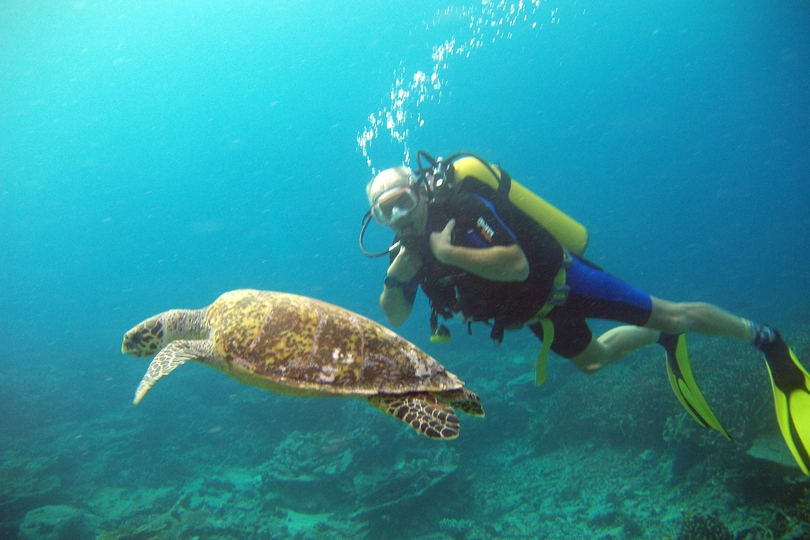
Length - 80cm
Depth - 0-300m
Worldwide
The Hawksbill turtle is a critically endangered sea turtle. It is the only species in its genus.
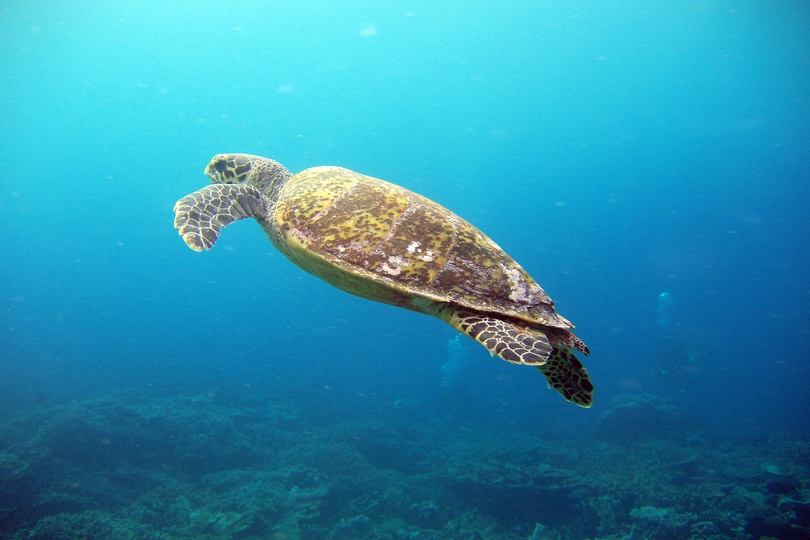
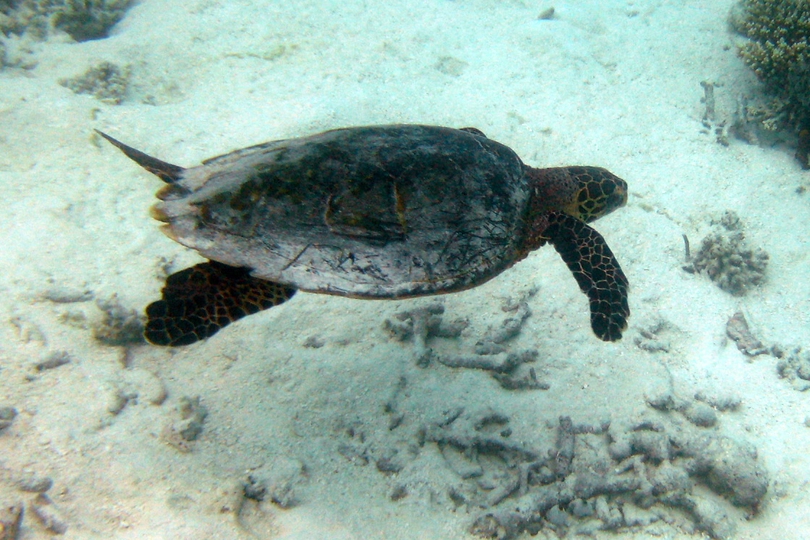
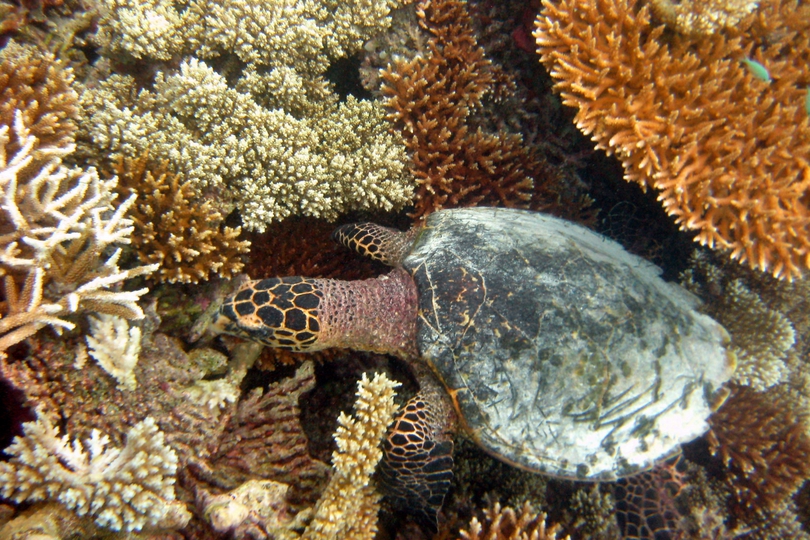
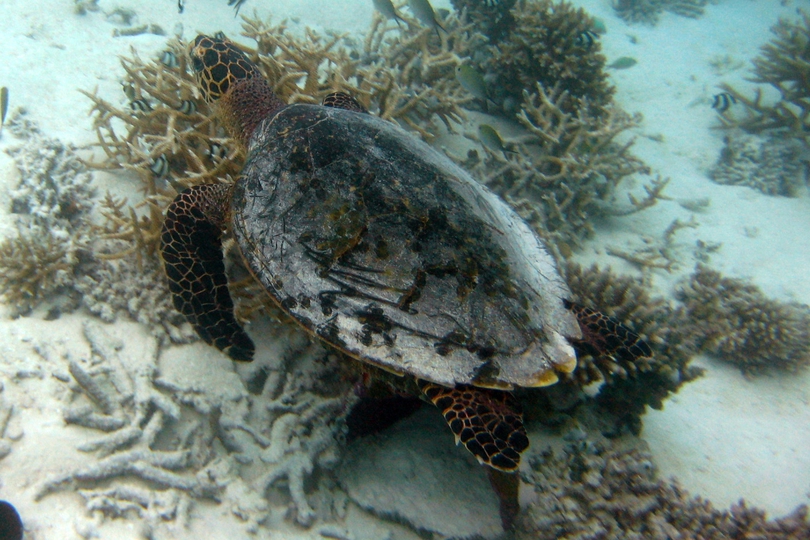
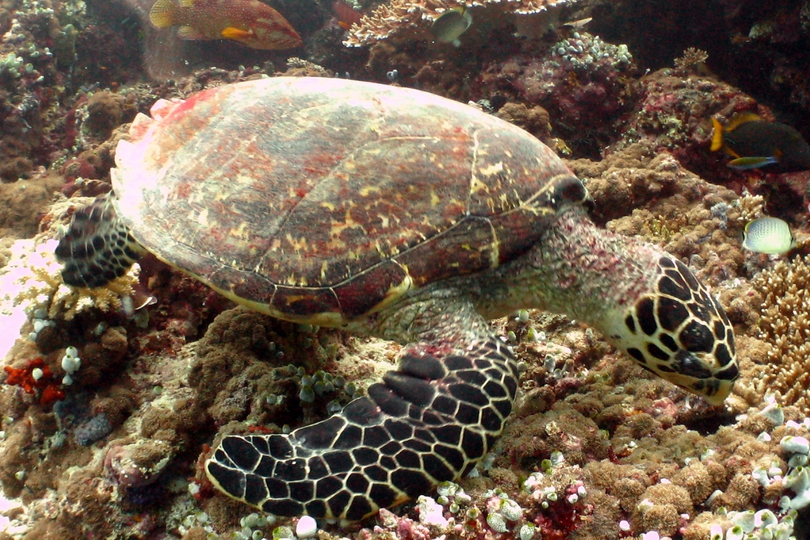
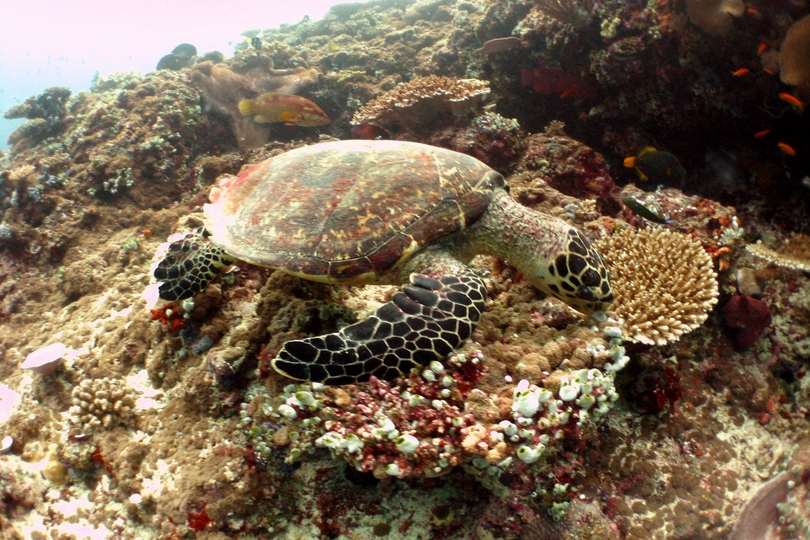
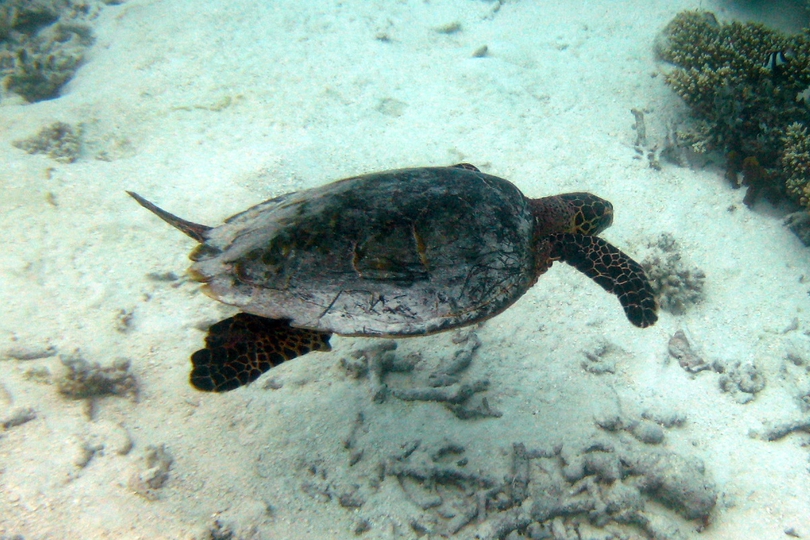
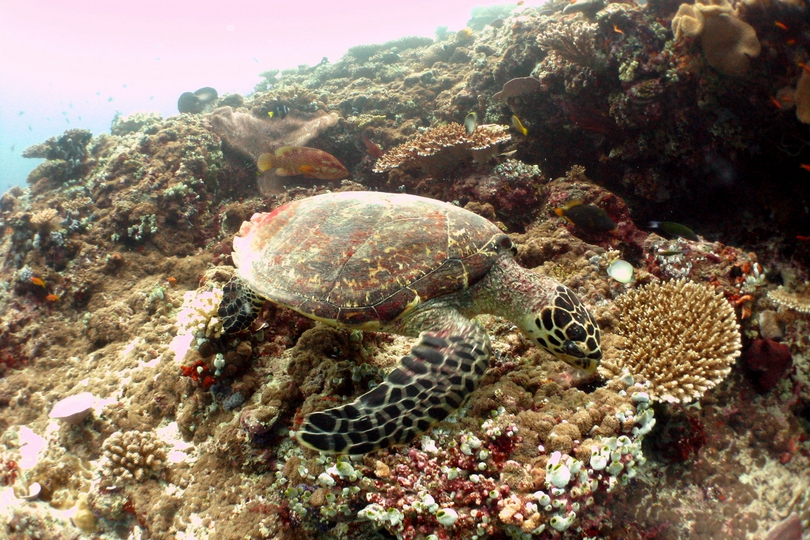
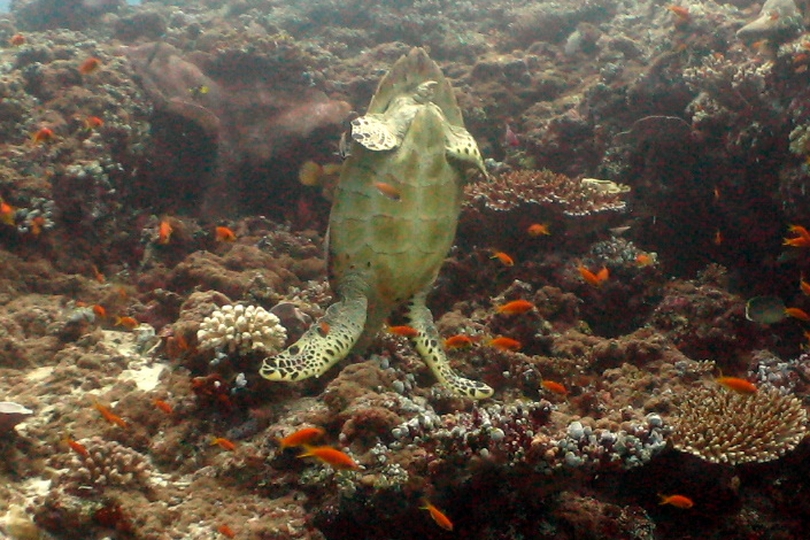
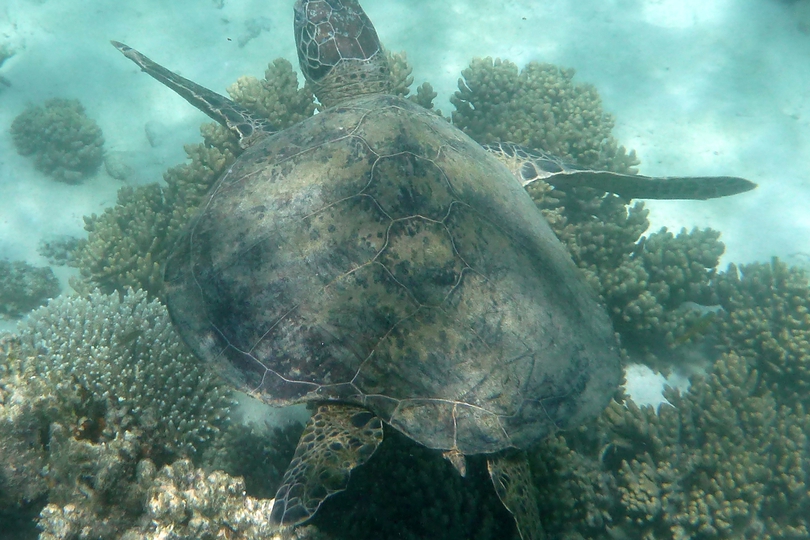
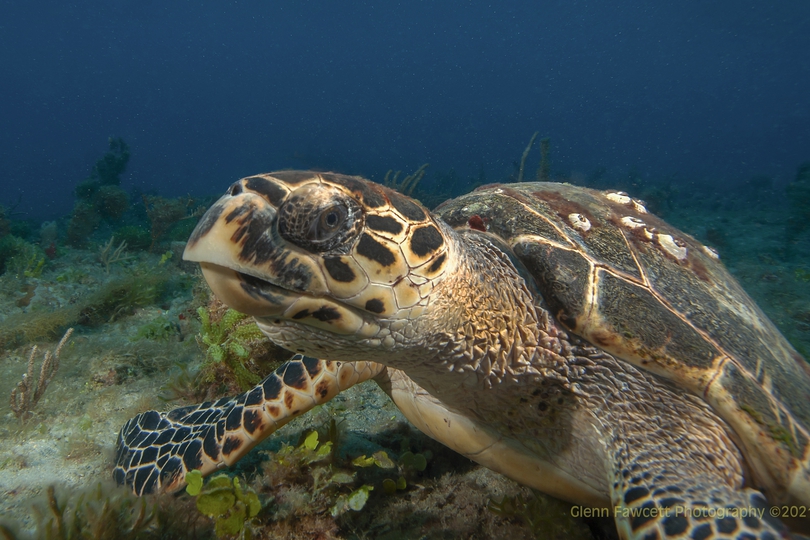
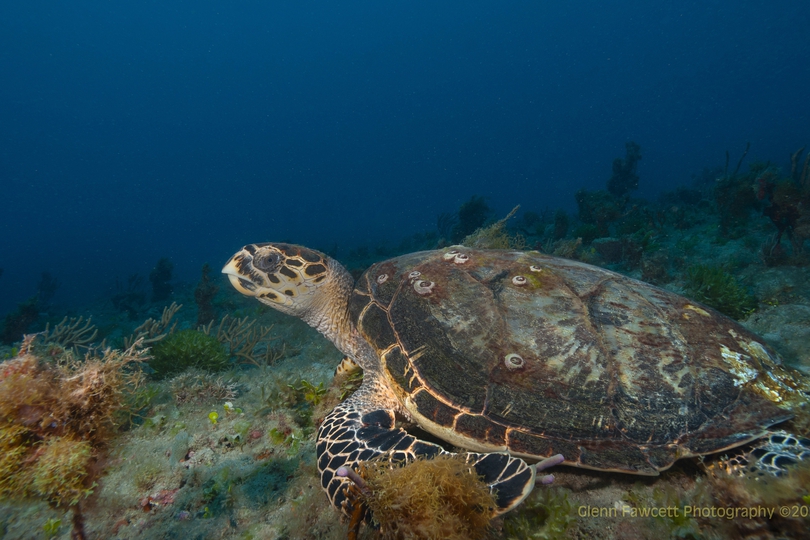
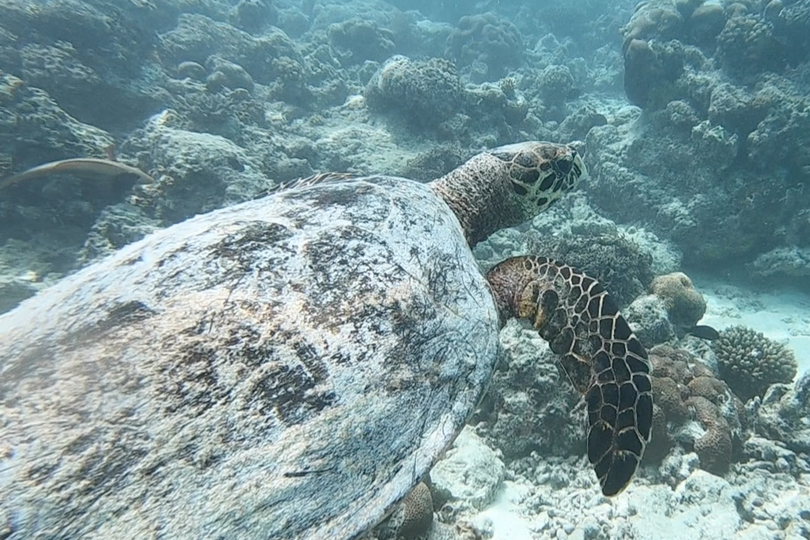
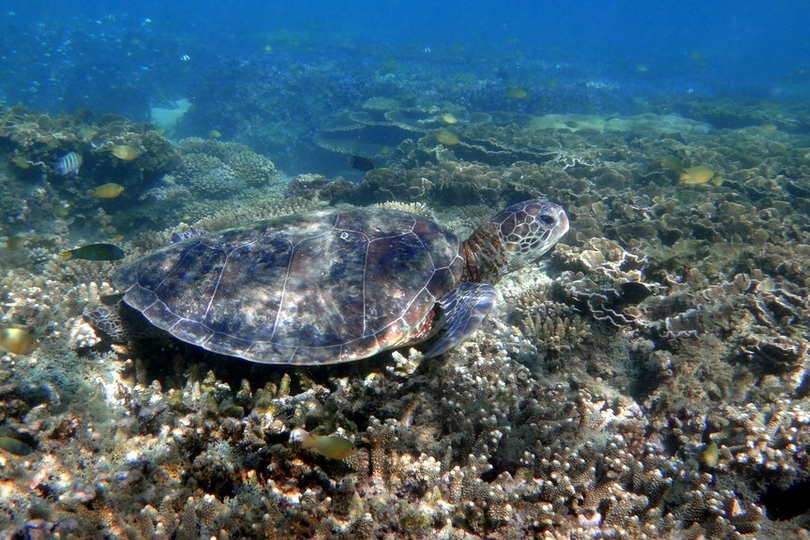
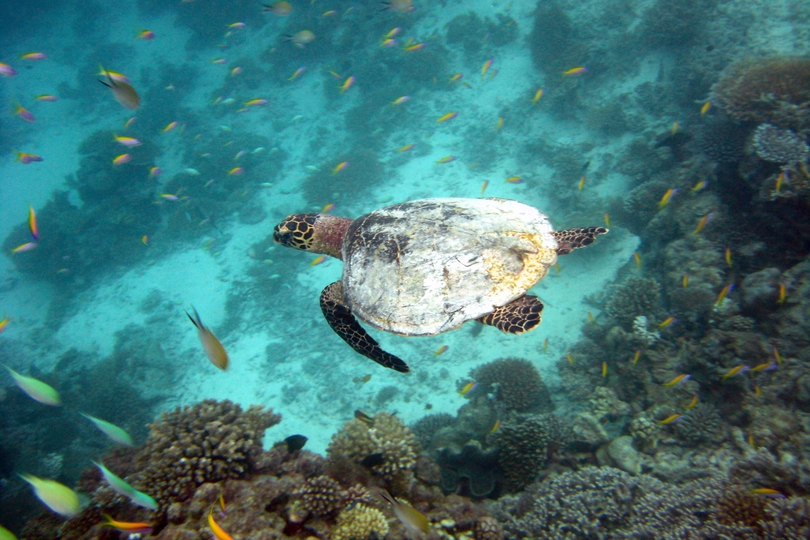
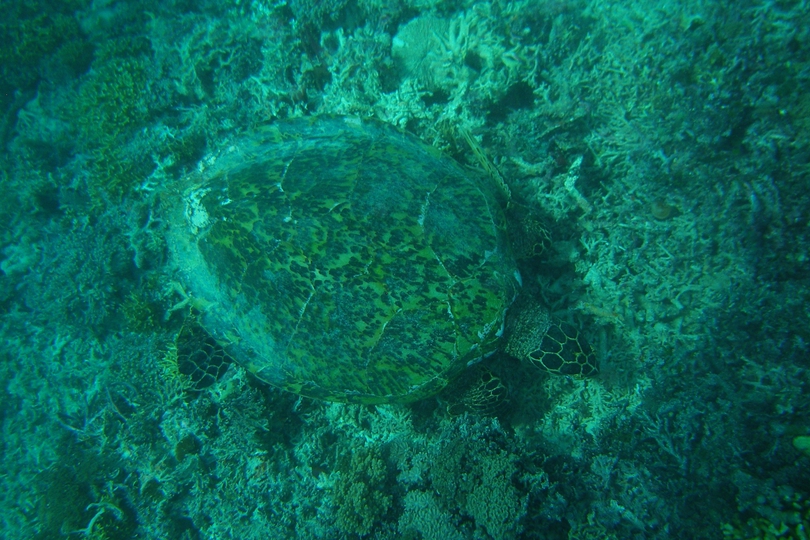
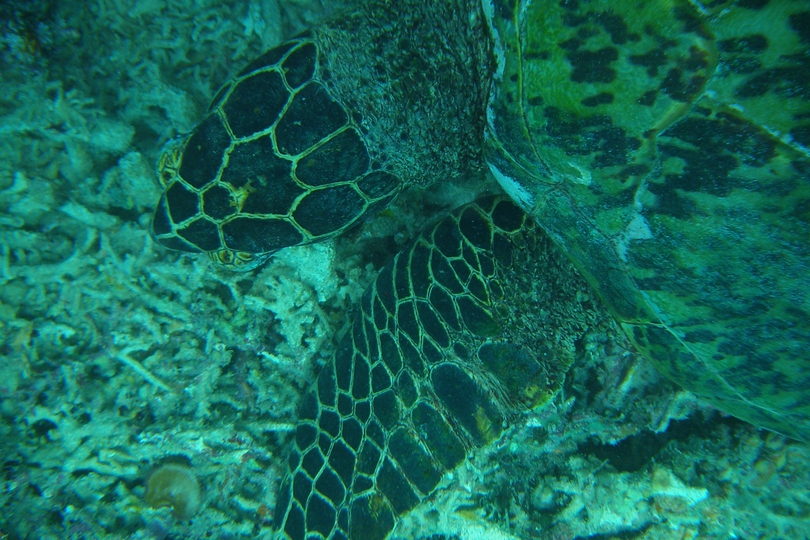
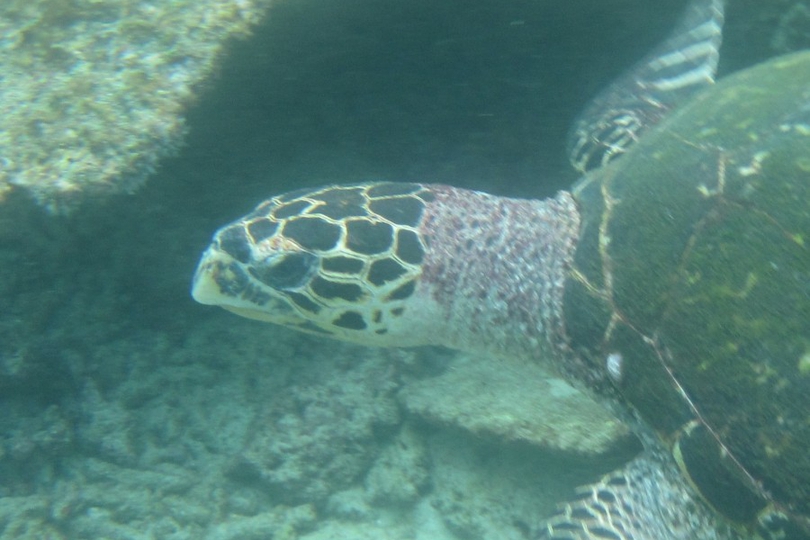
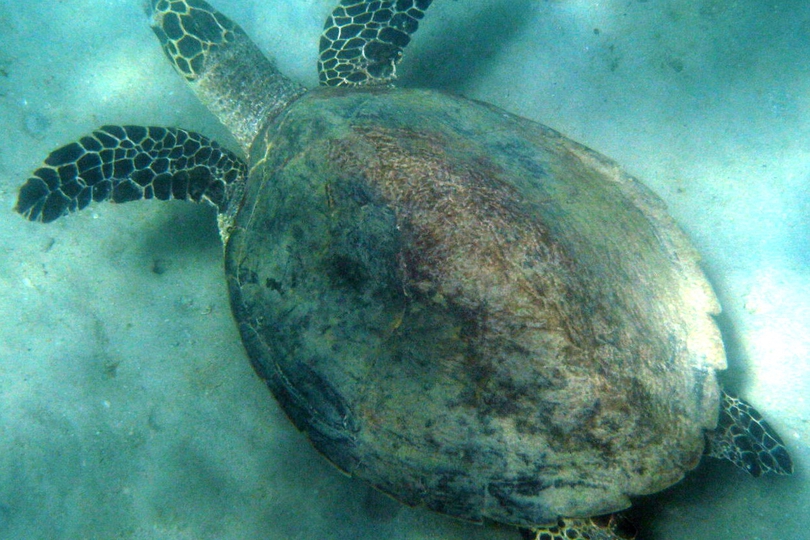
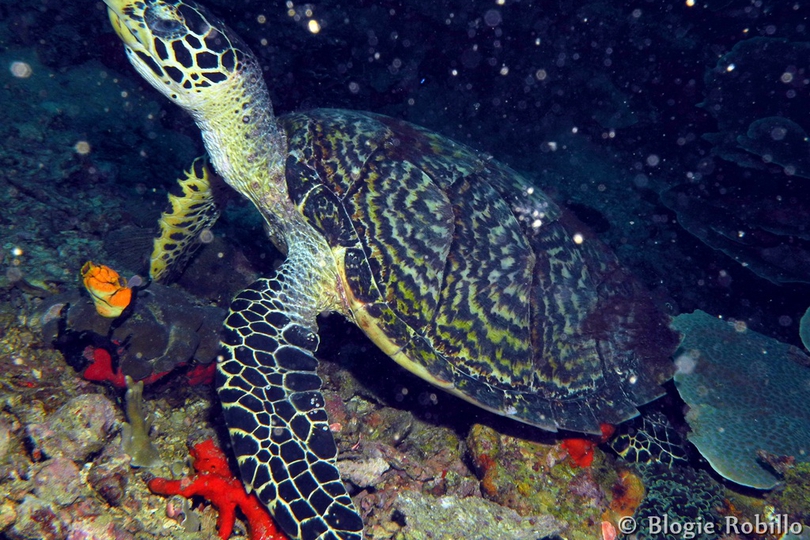
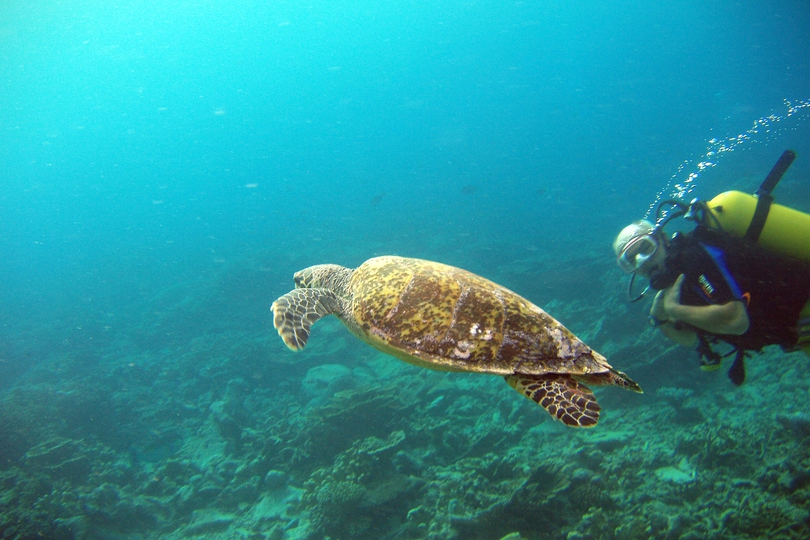
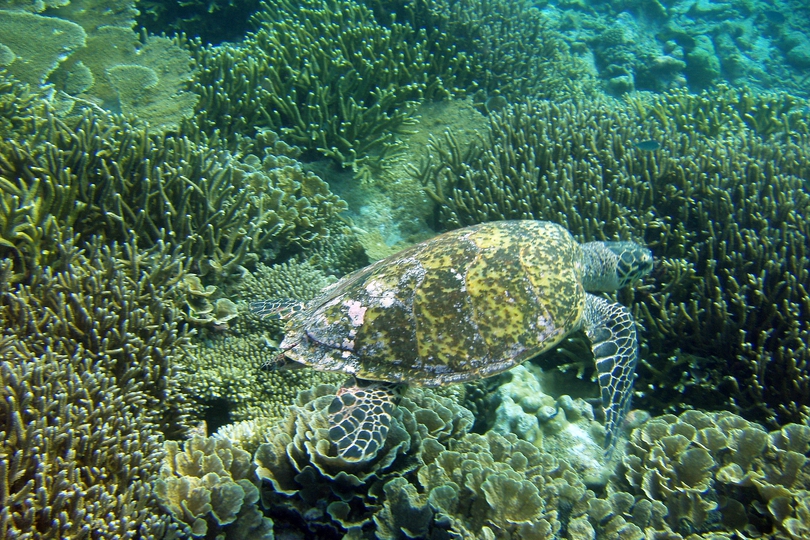
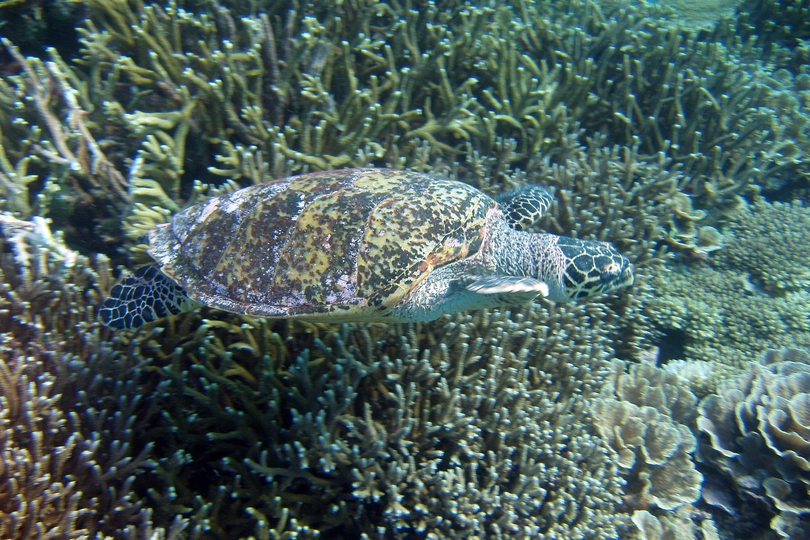
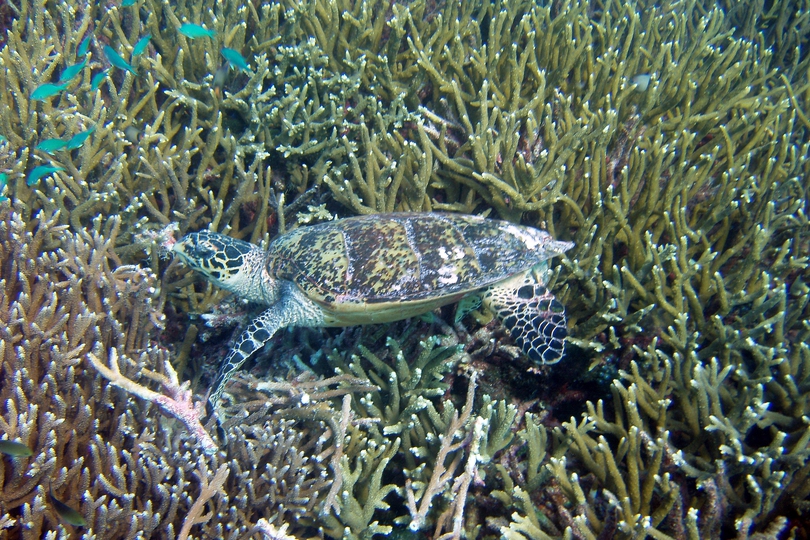
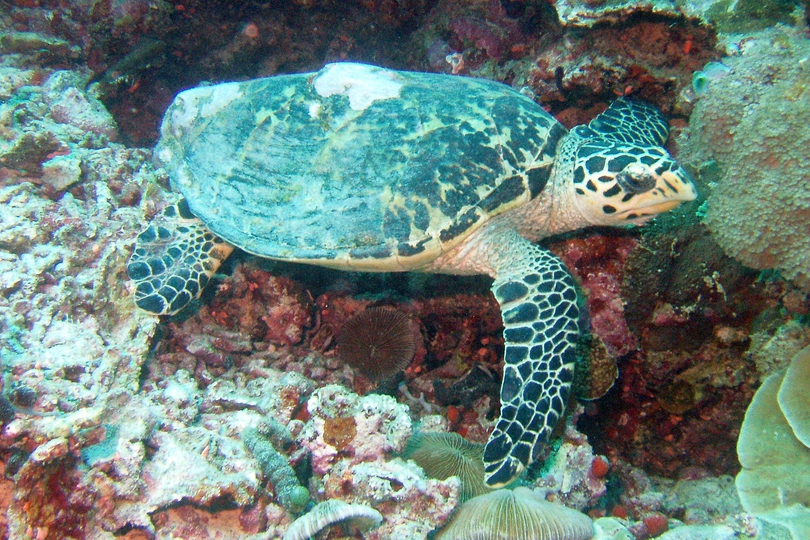
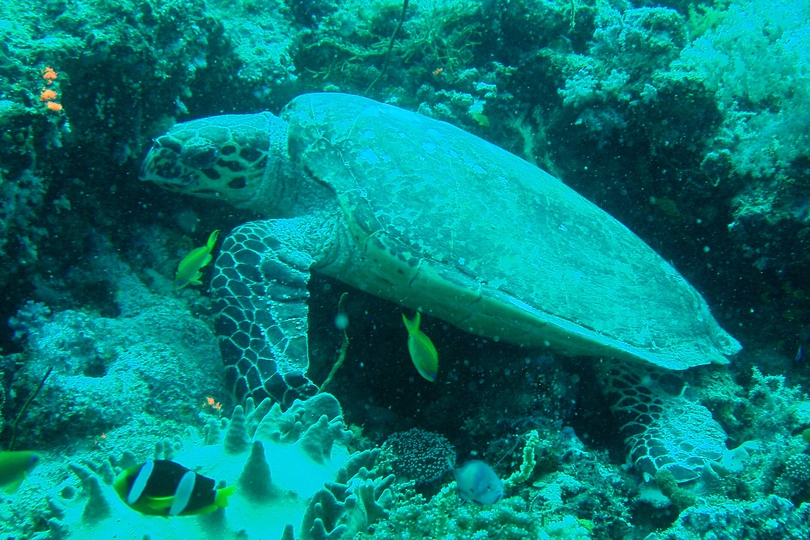
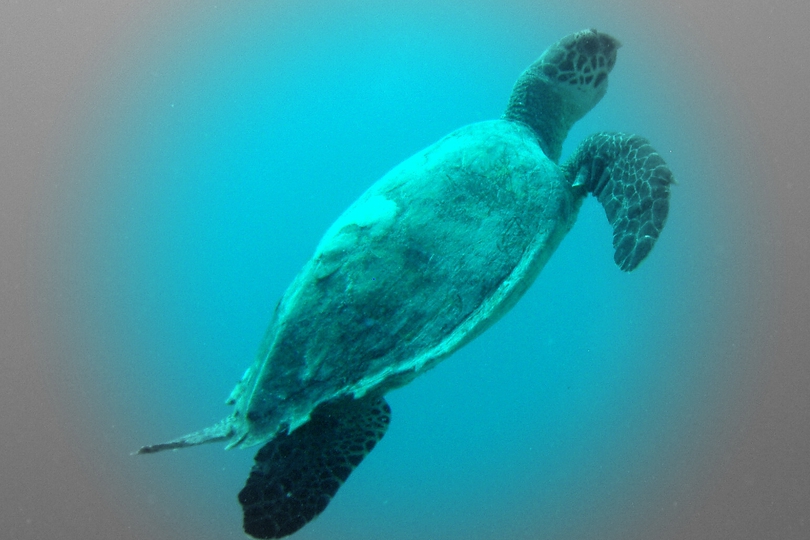
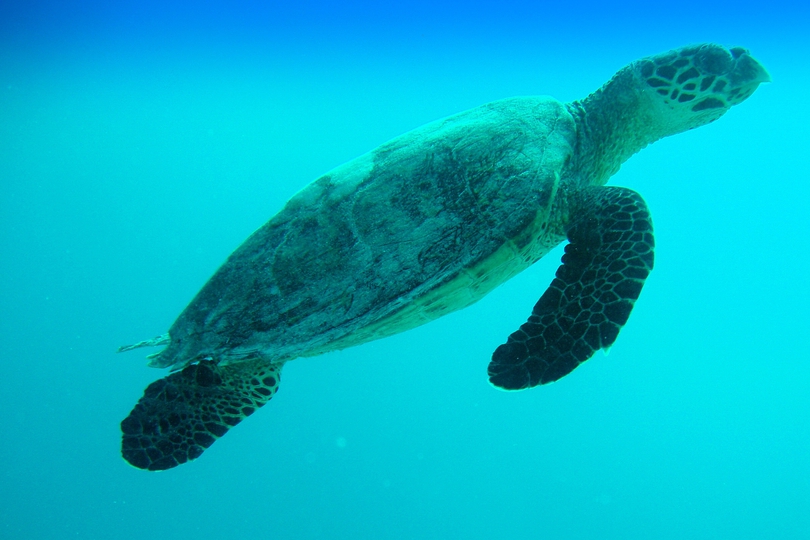
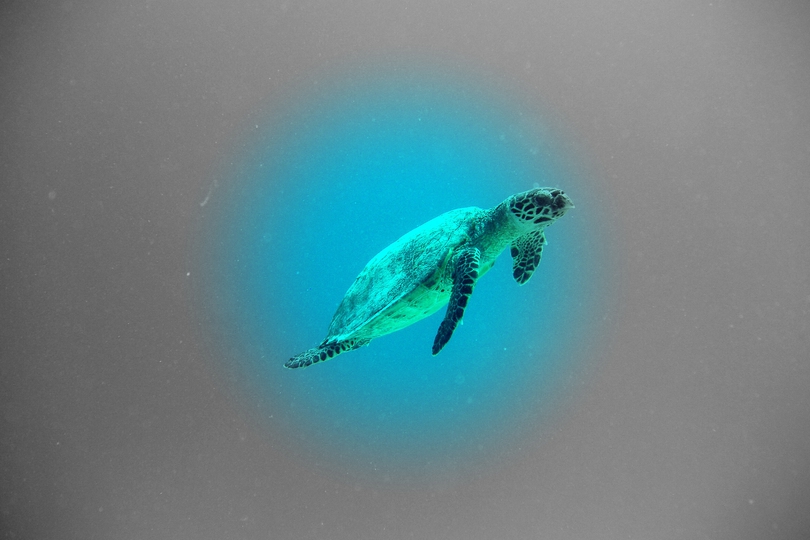
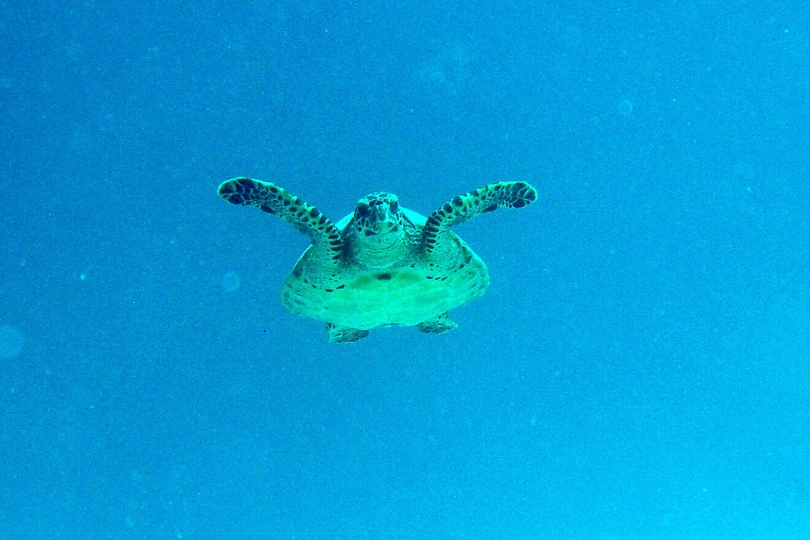
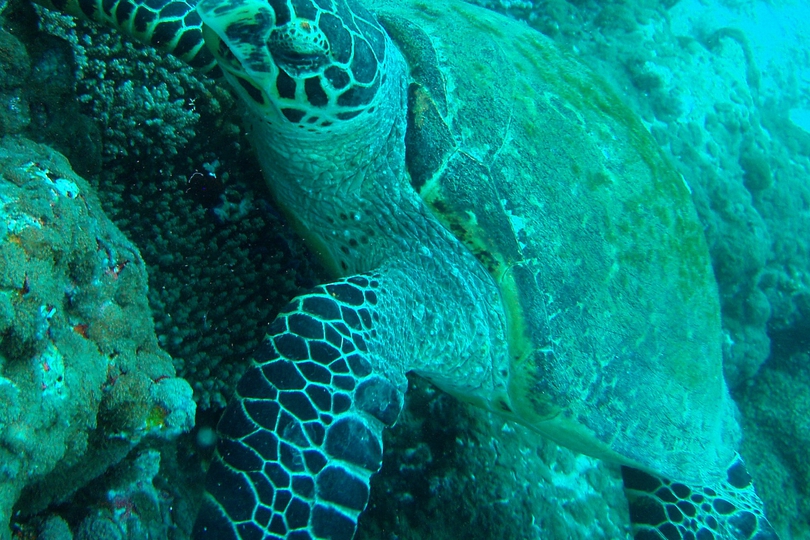
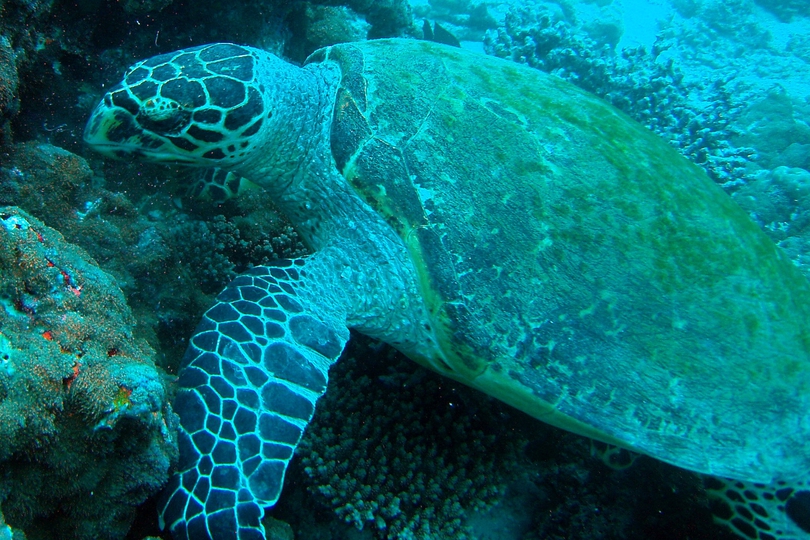
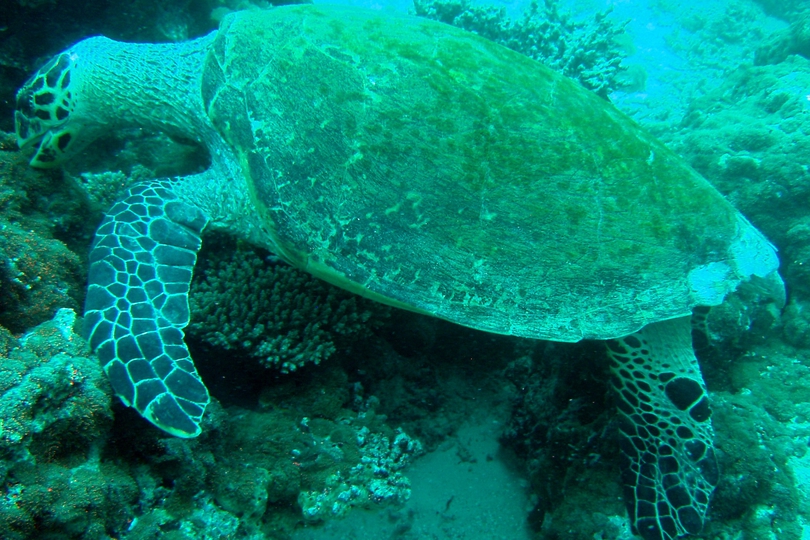
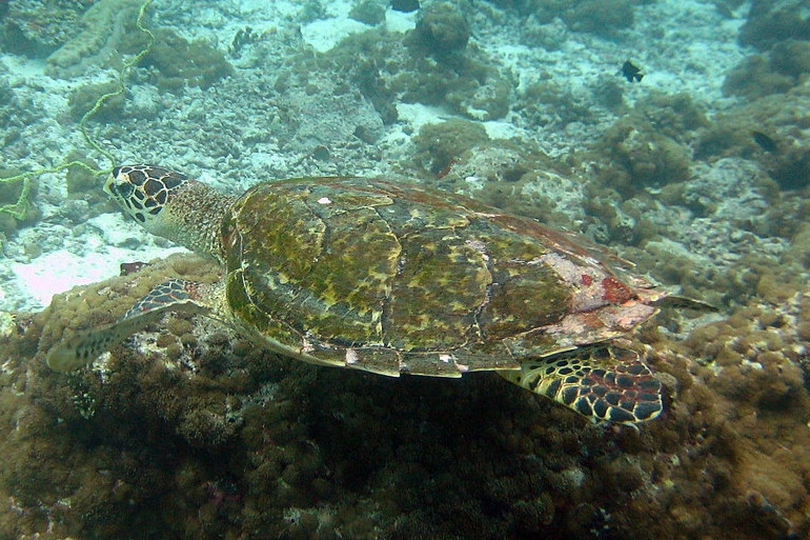
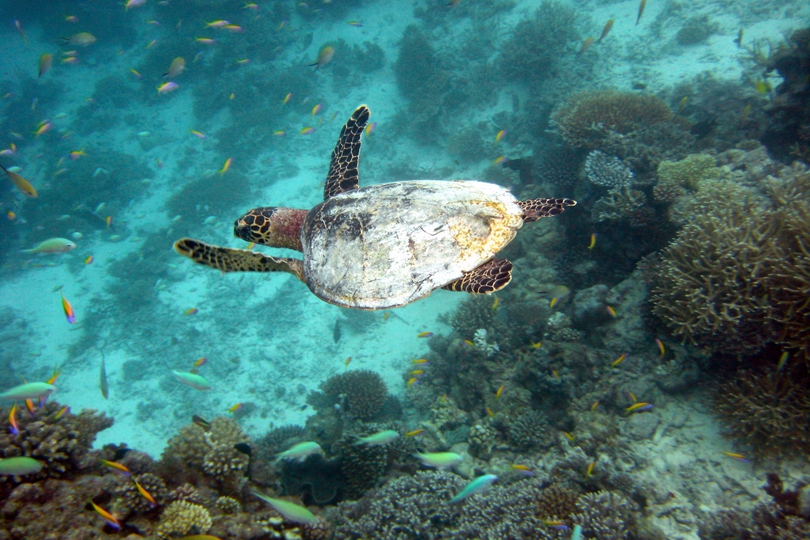
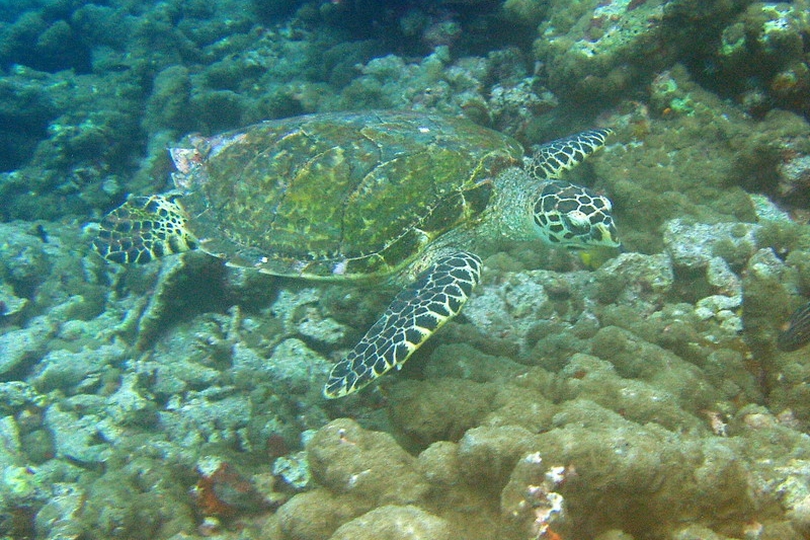
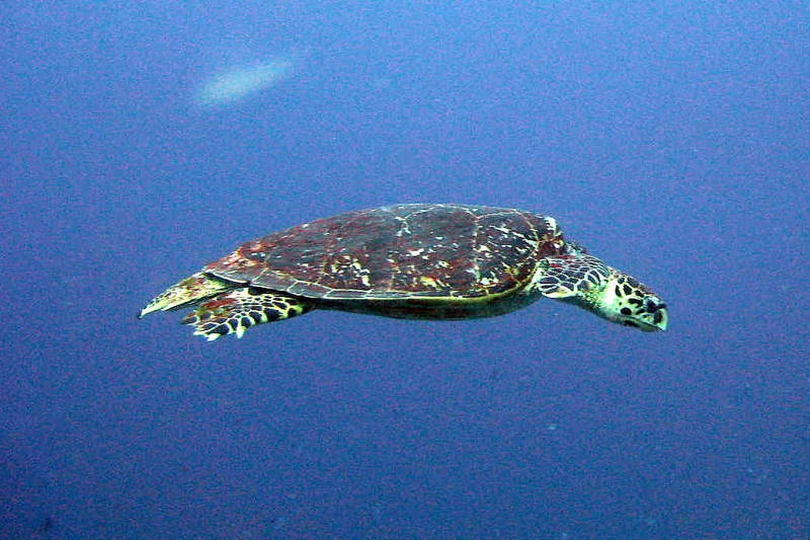
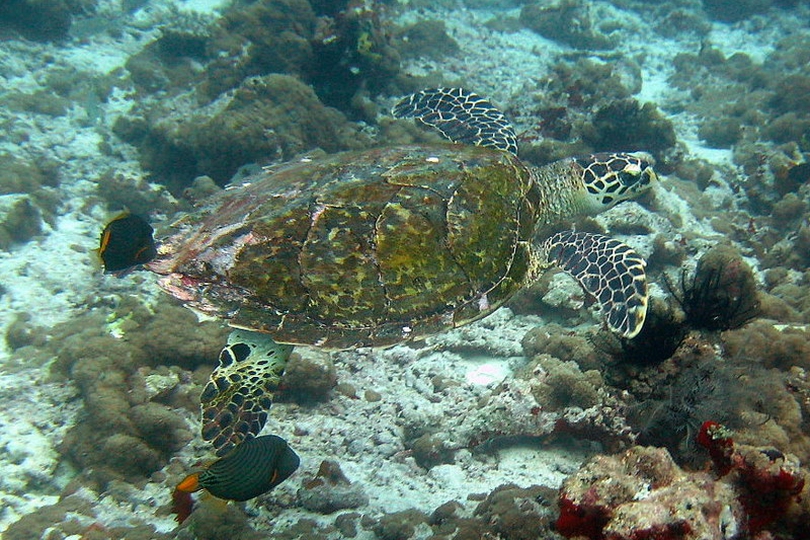
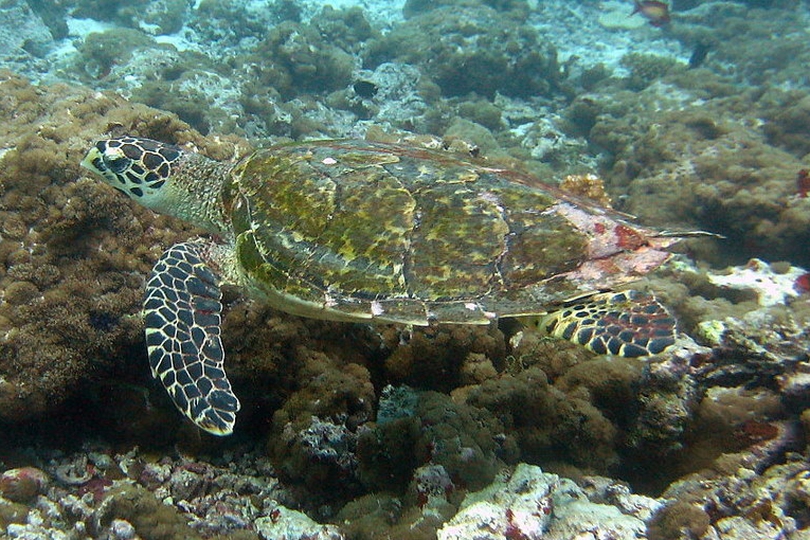
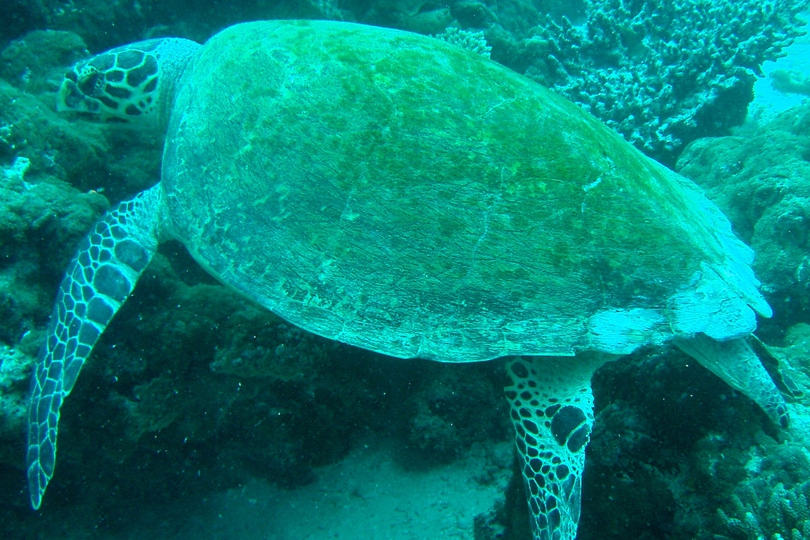
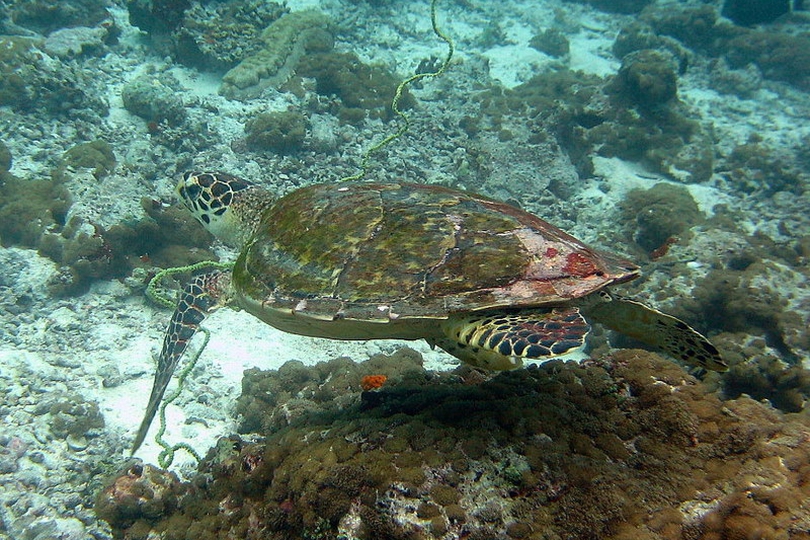
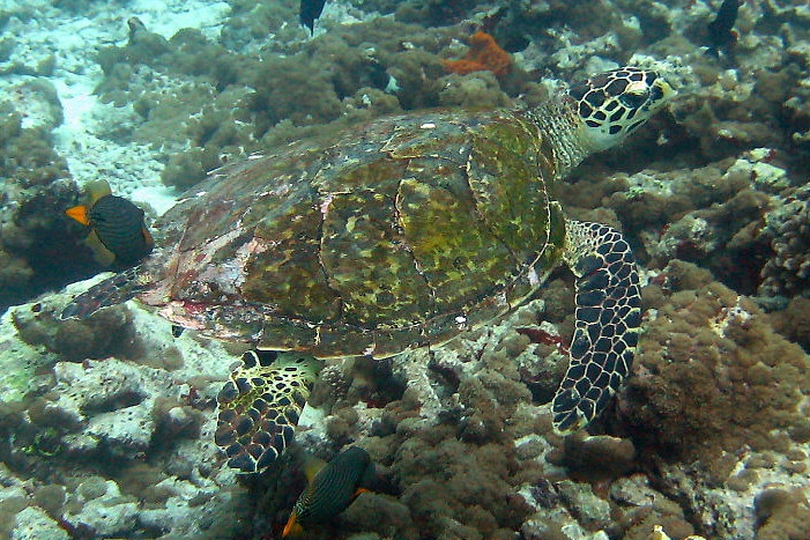
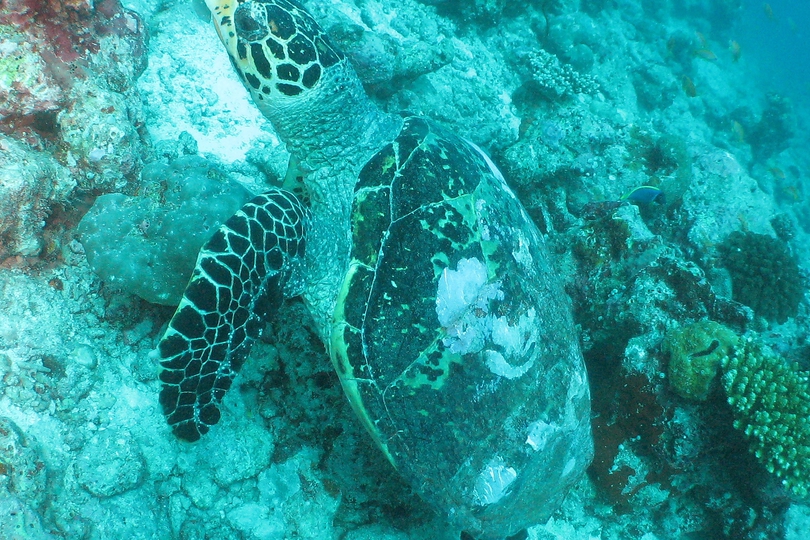
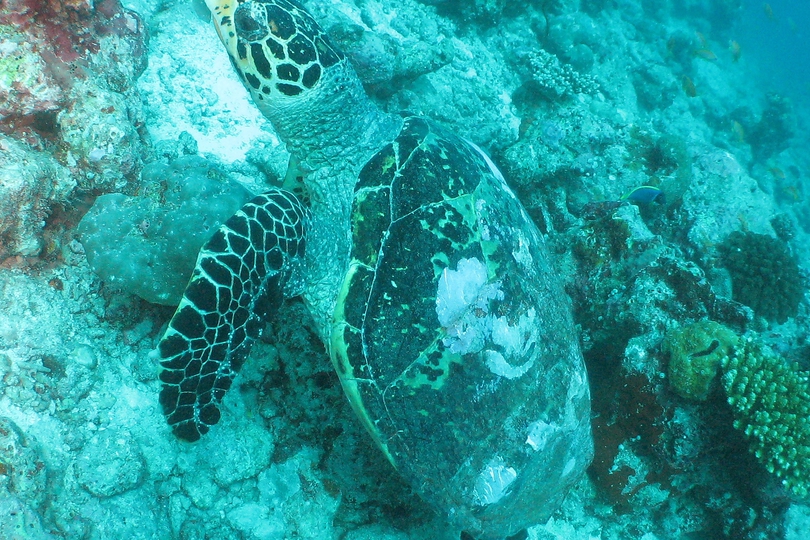
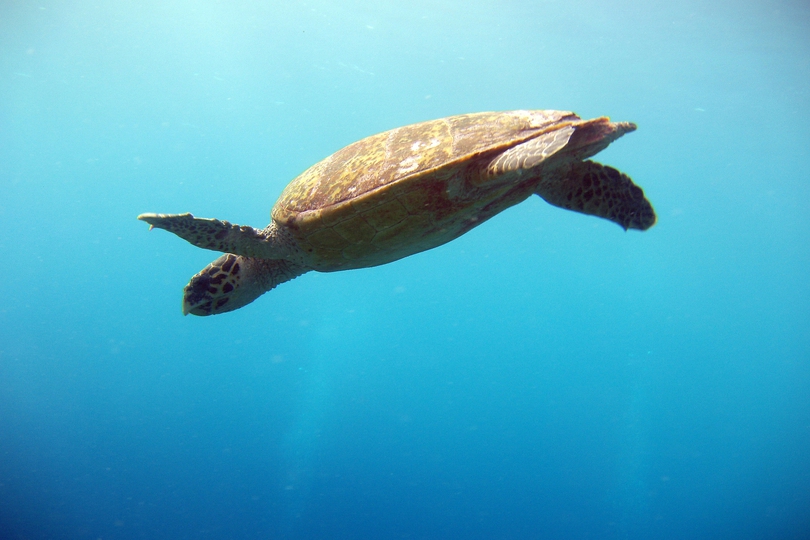
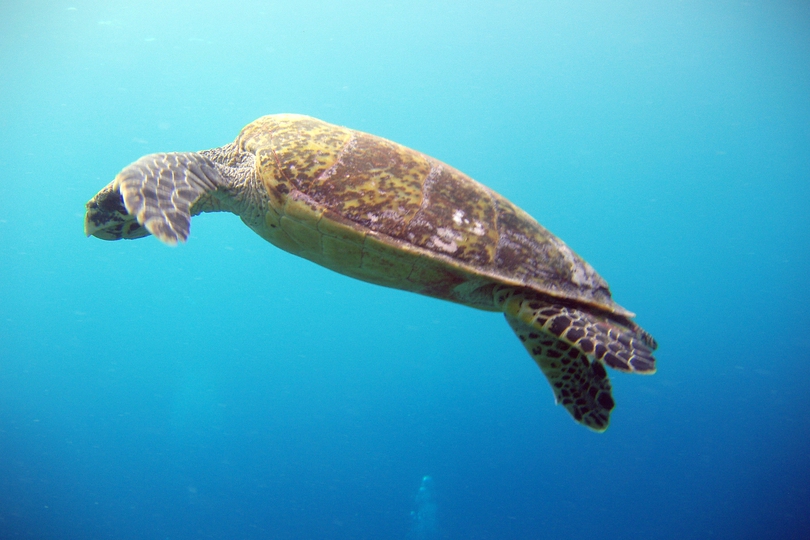
The hawksbill's appearance is similar to that of other marine turtles. It has a generally flattened body shape, a protective carapace, is easily distinguished from other sea turtles by its sharp, curving beak and the saw-like appearance of its shell margins.
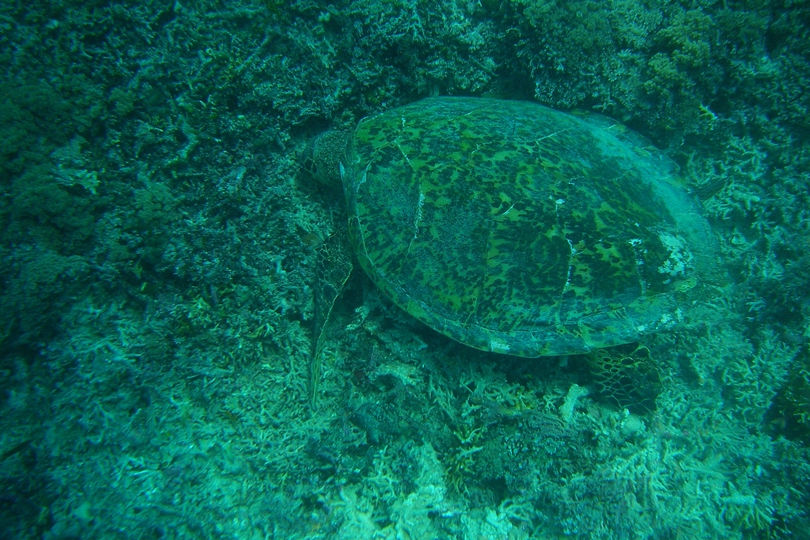
The Turtles shell known as Tortoiseshell, has an amber background patterned with an irregular combination of light and dark streaks, with predominately black and mottled brown colours radiating to the sides.
The turtle lives a part of its life in the open ocean, it is most often encountered in shallow lagoons and coral reefs where it feeds on sea sponges. Some of the sponges eaten are known to be highly toxic and lethal when eaten by other organisms. In addition, the sponges that Hawksbill's eat are usually those with high silica content, making the turtles one of few animals capable of eating siliceous organisms. They also feed on other invertebrates, such as comb jellies and jellyfish.
They live from 30-50 years. Ref: https://en.wikipedia.org/wiki/Hawksbill_sea_turtle


0 comments