Queen Coris
Allocoris formosa
Also known as: Coris Formosa, Formosa Coris Wrasse, Formosa Wrasse, Formosan Coris, Indian Ocean Wrasse, Indian Sand Wrasse, Queen Coris Wrasse, Queen Wrasse, Sandreef Wrasse
- Coris Formosa
- Formosa Coris Wrasse
- Formosa Wrasse
- Formosan Coris
- Indian Ocean Wrasse
- Indian Sand Wrasse
- Queen Coris Wrasse
- Queen Wrasse
- Sandreef Wrasse
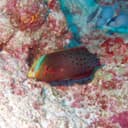
Showing details for the adult stage. Switch stages to see how it differs.
Overview
Found singly over coral, rock, and weedy areas of reefs.
Widespread West Indian Ocean
Most reef fish seen by divers during the day, are grazers, they cruise around, just above the surface of the coral, or snoop into crevices, foraging for food.
Wrasses have small protruding teeth, which they use to graze the bottom, taking in a variety of algae, crustaceans, such as crabs, eggs, shrimps, snails and worms. Any hard coats or thick shells, are then ground down by their pharyngeal jaws, and the delicacies inside digested.
From juvenile to adult, wrasses dramatically alter their colour and body shapes.
Wrasses are always on the go during the day, but are the first to go to bed and the last to rise.
Small wrasses dive below the sand to sleep, and larger wrasses wedge themselves in crevices.
How to identify
Habitat & where to find it
Where the adult stage lives, and where its photos were taken.
- Range · Western Indian Ocean
- Country only · 6
Found singly over coral, rock, and weedy areas of reefs.
Adult photos 6
Discussion
No comments yet. Seen one, or got a question about it? Start the discussion.
Deep dive
More in the family
Wrasses (Labridae)
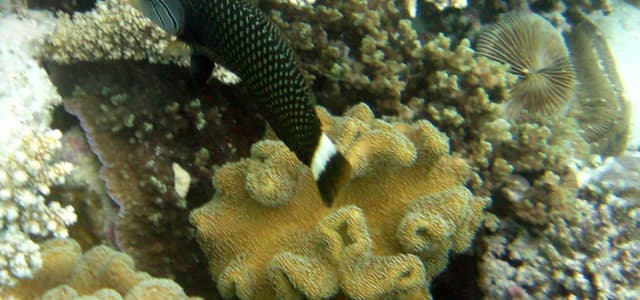
Rockmover Wrasse
Novaculichthys taeniourus
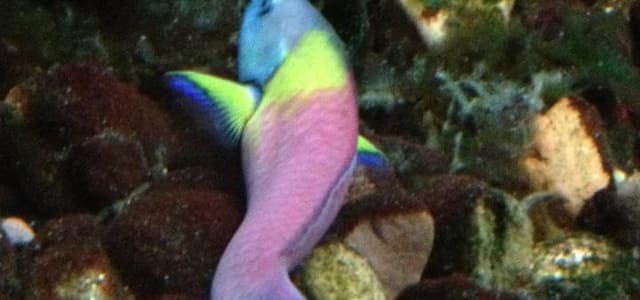
Blunt-headed Wrasse
Thalassoma amblycephalum
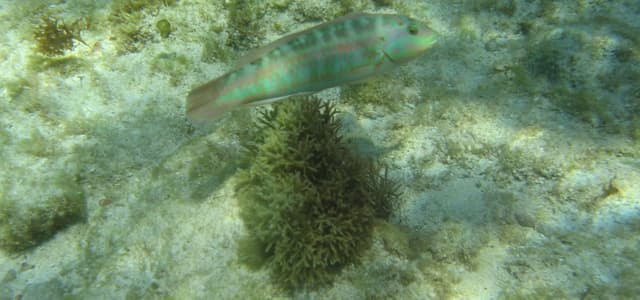
Slippery Dick
Halichoeres bivittatus
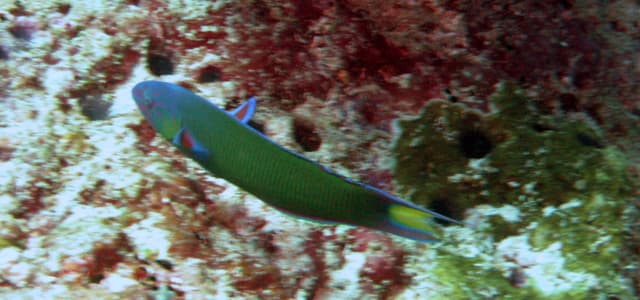
Moon Wrasse
Thalassoma lunare
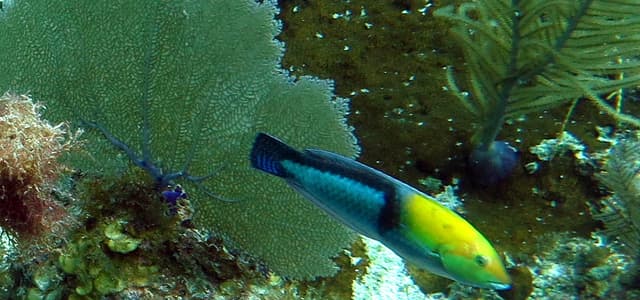
Yellowhead Wrasse
Halichoeres garnoti
Threespot Wrasse
Halichoeres trimaculatus
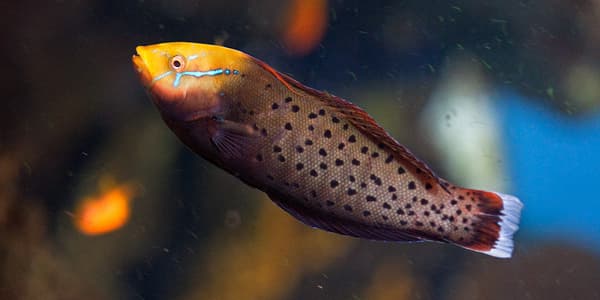
African Clown Coris
Allocoris cuvieri
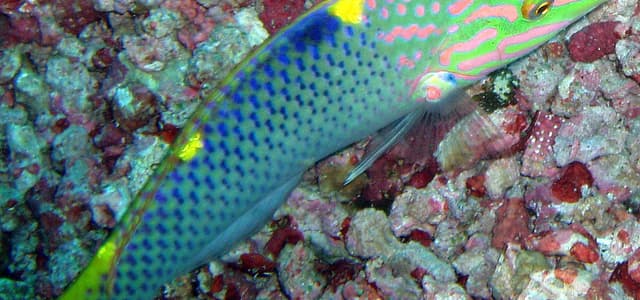
Checkerboard Wrasse
Halichoeres hortulanus
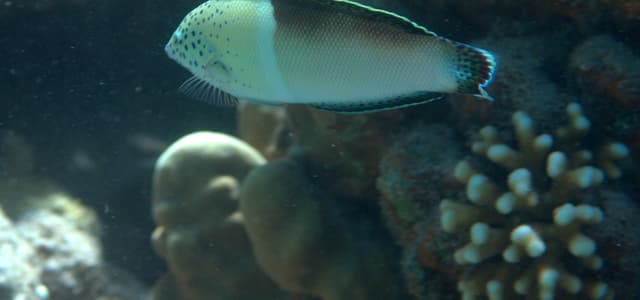
Clown Coris
Coris aygula
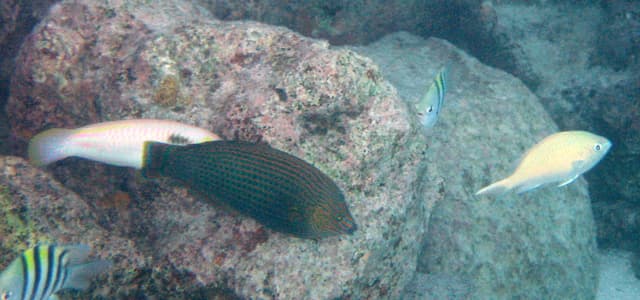
Dusky Wrasse
Halichoeres marginatus
Axilspot Hogfish
Bodianus axillaris
Ring Wrasse
Hologymnosus annulatus